
 English
  Español

Tips for More Effective Studying
Nihongo Online School > Tips for More Effective Studying > JLPT N2 reading: practice tips and examples to master the exam
JLPT N2 reading: practice tips and examples to master the exam

2025/11/29

Director: Kotaro Muramoto
Principal of Nihongo Online School
In September 2019, he founded "Nihongo Online School". Since then, has been teaching Japanese online lessons, with a total of over 1,000 students.
He has designed an individualized curriculum based on student’s needs and study goal. And is conscious of making the classes speech-centered in order to improve students’ speaking skills.
The school asks students to submit homework assignments worth 2 hours per lesson to improve faster. By supporting students with these features, students are able to efficiently improve Japanese language skills.
Mastering the JLPT N2 reading section requires more than vocabulary memorization.
From understanding question formats to developing faster reading speed, we’ll explore how JLPT N2 reading practice can transform your score through targeted study plan and authentic sample materials.
Contents
- 1 How many questions are in the JLPT N2 reading section?
- 2 JLPT N2 reading practice: 3 essential tips
- 3 JLPT N2 reading: sample texts & practice materials
- 4 Best JLPT N2 reading books & resources

How many questions are in the JLPT N2 reading section?
The JLPT N2 reading section contains approximately 35-40 questions across five passage types:
- Short passages (~200 characters): test basic comprehension of descriptions and directions
- Mid-size passages (~500 characters): assess understanding of relationships, causes, and author opinions
- Integrated comprehension (~600 characters): require comparison between multiple texts
- Long passages (~900 characters): demand grasp of overall themes and logical development
- Information retrieval (~700 characters): test scanning abilities for practical documents (ads, notices, forms)
Reading comprehension accounts for 60 of your 180 total points. Passing requires 90 points overall with a minimum of 19 points in each section, meaning you cannot ignore reading even if other sections feel stronger.
JLPT N2 reading practice: 3 essential tips

These JLPT N2 reading comprehension tips focus on actionable strategies for the exam day.
Stop looking up words mid-passage
This sounds counterintuitive, but dictionary-checking while reading destroys momentum and comprehension. Your brain needs continuous flow to build mental models of the author’s logic. When you encounter an unknown word, guess from context and continue reading. If the word matters for answering questions, you’ll naturally return to that section. This forces you to develop inference skills, a core JLPT N2 reading competency.
N2 passages are designed so you can understand main ideas even with unfamiliar vocabulary. Authors use unknown words in supportive positions (modifying clauses, examples), not in critical idea statements.
JLPT N2 reading passages reveal author attitude through how they present information, not just what they say. Before looking at a single question, ask yourself: Is this author criticizing, explaining, advocating, or warning? Are they presenting one view or contrasting views? Do they sound skeptical or confident?
This matters because N2 consistently asks “What does the author want to emphasize?” or “What is the author’s primary point?” Learners who jump to questions miss this emotional framing. When you’ve identified whether the author is defending a position against criticism or exploring an objective phenomenon, inference questions become straightforward, you simply select the answer matching their established stance.
Track your question-type accuracy, not just accuracy
Spend one week tracking which question types stump you: Are you weak on author’s intent? Detail retrieval? Inference about relationships? Information integration?
Once identified, this becomes your focused study target. If detail questions trip you up, practice scanning techniques and practice highlighting while reading. If author’s intent confuses you, collect passages expressing clear opinions (editorials, essays) and practice identifying thesis statements before reading questions. This targeted approach beats generic “more practice” advice.
Your JLPT N2 vocabulary foundation supports all three tips. Stronger vocabulary means guessing from context becomes more accurate and patterns emerge more quickly.
JLPT N2 reading: sample texts & practice materials

Below are authentic JLPT N2 reading samples of varying lengths and types. These mirror actual test difficulty and structure. Read each passage completely before answering, then review the explanations to understand reasoning patterns.
JLPT N2 reading exercise 1: company culture

昨年、私たちの会社は新しい働き方改革を始めました。毎日夜遅くまで働く社員が多かったため、経営陣は本当の仕事の成果を出すには、充分な休息が必要だと気づきました。データによると、疲れている従業員は生産性が低いだけでなく、ミスの頻度も高いのです。そこで会社は全社員に夜8時までに帰宅することを勧めています。
Vocabulary list:
- 働き方改革 (はたらきかたかいかく) : work-style reform
- 経営陣 (けいえいじん) : management, executives
- 充分な (じゅうぶんな) : sufficient
- 生産性 (せいさんせい) : productivity
- ミスの頻度 (ひんど) : frequency of mistakes
- 勧める (すすめる) : to recommend
Questions:
- 会社が働き方改革を始めた理由は何ですか。
a) 社員の給料を減らすため
b) 充分な休息が生産性向上に必要だと気づいたから
c) 経営陣が夜遅く働きたくなかったから
d) 社員の不満を聞かなかった
2. 本文によると、疲れている従業員の問題はどのようなものですか。
a) 給料が安い
b) 生産性が低く、ミスが多い
c) 休息がない
d) 仕事に興味がない
Answer key:
- b
- b
JLPT N2 reading exercise 2 : Consumer Behavior

現代の消費者は、単に製品を買うだけではなく、その製品が自分の価値観や生活スタイルと合致しているかどうかで購入を決める傾向が強まっています。特に若い世代は、ブランドのストーリーや環境への配慮、社会貢献度といった「見えない価値」に注目するようになりました。
この変化は企業側にも大きな影響を与えています。従来の「安くて品質が良い」というだけでは競争力を失う時代になったのです。企業は単なる商品提供者から、顧客のライフスタイルを提案するパートナーへと進化することが求められるようになりました。
結果として、消費者と企業の関係は一方向的な取引から、相互に価値観を共有する関係へと変わりつつあります。
Vocabulary list:
- 消費者 (しょうひしゃ) : consumer
- 価値観 (かちかん) : values
- 合致 (がっち) : to coincide with, to match
- 購入を決める (こうにゅうをきめる) : to make a purchase decision
- ストーリー : story, narrative
- 環境への配慮 (かんきょうへのはいりょ) : consideration for the environment
- 社会貢献度 (しゃかいこうけんど) : degree of social contribution
- 見えない価値 (みえないかち) : invisible value, intangible value
- 競争力 (きょうそうりょく) : competitiveness
- ライフスタイル : lifestyle
- 一方向的 (いっぽうこうてき) : one-directional, unilateral
- 取引 (とりひき) : transaction
- 相互に (そうごに) : mutually
- 変わりつつある (かわりつつある) : is changing, is beginning to change
Questions:
- 現代の消費者が購入を決める基準として、本文で新たに強調されているものは何ですか。
a) 製品の価格が安いこと
b) ブランドのストーリーや社会貢献などの見えない価値
c) 製品の品質だけ
d) 有名なブランドであること - 企業が直面している変化について、本文で述べられているのはどれですか。
a) 消費者が安い製品しか買わなくなった
b) 単に質の良い商品を売るだけでは競争力を失い、ライフスタイルを提案するパートナーになる必要がある
c) 企業はより多くの広告をすべき
d) 消費者との関係がより一方向的になった - 本文によると、消費者と企業の関係はどのように変わっていますか。
a) より対立的になっている
b) 一方向的な取引から、価値観を共有する関係へ変わりつつある
c) より複雑で厳しくなっている
d) より商品中心になっている
Answer Key:
- b
- b
- b
JLPT N2 reading exercise 3: Technological impact on work

デジタル化の進展に伴い、多くの企業は従来の働き方を根本から見直す必要に迫られています。自動化とAIの普及により、単純作業に従事していた職業は急速に消滅しつつあります。しかし、同時に新たな職種も生まれており、職業構造全体が劇的に変容しています。
このような状況下で、企業に求められるのは、従業員の「適応能力」です。新しいスキルを習得する能力、変化する環境への対応能力、そして自分の役割を柔軟に変える能力が不可欠になってきました。かつての企業は、安定した職業人の確保を目指していました。しかし現在、企業が求めるのは、継続的に自らを更新できる人材なのです。
更に注目すべき点は、このような変化は単に職場だけに限定されるものではないということです。学校教育からスタートして、生涯にわたって学習を続ける「リカレント教育」の重要性が世界的に認識されるようになっています。社会全体が、個人の継続的な成長を支援するシステムへと転換しつつあるのです。
Vocabulary list:
- デジタル化 (デジタルか) : digitalization
- 進展 (しんてん) : progress, advancement
- 根本から (こんぽんから) : fundamentally, from the root
- 見直す (みなおす) : to review, to reconsider
- 自動化 (じどうか) : automation
- AI : artificial intelligence
- 普及 (ふきゅう) : spread, diffusion
- 単純作業 (たんじゅんさぎょう) : simple work, routine tasks
- 従事 (じゅうじ) : to engage in
- 消滅 (しょうめつ) : to disappear, to become extinct
- 職業構造 (しょくぎょうこうぞう):- occupational structure
- 劇的に (げきてきに) : dramatically
- 変容 (へんよう) : transformation, change
- 適応能力 (てきおうのうりょく) : adaptability
- スキル : skill
- 習得 (しゅうとく) : to acquire, to master
- 対応能力 (たいおうのうりょく) : ability to respond, coping ability
- 不可欠 (ふかけつ) : essential, indispensable
- 柔軟に (じゅうなんに) : flexibly
- 安定した (あんていした) : stable
- 職業人 (しょくぎょうじん) : working person
- 確保 (かくほ) : to secure, to ensure
- 継続的に (けいぞくてきに) : continuously
- 更新 (こうしん) : update, renewal
- 人材 (じんざい) : human resources, talent
- 限定 (げんてい) : limitation, restriction
- リカレント教育 (りかれんときょういく) : recurrent education
- 認識 (にんしき) : recognition
- 生涯 (しょうがい) : lifetime, whole life
- 転換 (てんかん) : conversion, shift
Questions:
- デジタル化による職業構造の変化について、本文で述べられているのはどれですか。
a) すべての職業が消滅する
b) 単純作業の職業は消滅しつつあるが、同時に新たな職種も生まれている
c) 新しい職業だけが増える
d) 職業構造は変わらない - 現在、企業が従業員に最も求めている能力は何ですか。
a) 特定の職業技能を深く習得すること
b) 安定して同じ仕事をすること
c) 継続的に自らを更新し、変化に適応できる能力
d) より高い給料を要求しないこと - 本文で「リカレント教育」について述べられている主な理由は何ですか。
a) 企業が人件費を削減するため
b) 従業員の士気を高めるため
c) 個人の継続的な成長を支援し、変化する社会に対応するため
d) 学校教育を補完するため
Answer Key:
- b
- c
- c
JLPT N2 reading exercise 4 : Museum workshop guide

陶芸体験ワークショップご案内
開催日時:
- A: 毎週土曜日 午前10時~12時 (初心者向け、粘土から作成、当日持ち帰り不可、翌週受け取り)
- B: 毎週日曜日 午前10時~11時30分 (すべてのレベル向け、小型作品のみ、当日持ち帰り可)
- C: 月1回(第一日曜) 午後2時~5時 (経験者向け、複雑な作品可、焼成費別途1,500円)
参加費: 各コース3,000円(焼成費、釉薬代含む。Cコース除く)
対象: すべてのコース:中学生以上。未成年者は保護者同伴必須
持ち物: エプロン、タオル(汚れても良い服装を推奨)
申し込み: ウェブサイトまたは電話(03-XXXX-XXXX)で3日前までに申し込み
Vocabulary list:
- 陶芸 (とうげい) : pottery, ceramic art
- 体験 (たいけん) : experience
- ワークショップ : workshop
- 開催日時 (かいさいにちじ) : date and time of event
- 初心者向け (しょしんしゃむけ) : for beginners
- 粘土 (ねんど) : clay
- 持ち帰り (もちかえり) : to take home
- レベル : level
- 小型 (こがた) : small-sized
- 経験者向け (けいけんしゃむけ) : for experienced users
- 焼成 (しょうせい) : firing (ceramics)
- 別途 (べっと) : separately
- 釉薬 (ゆうやく) : glaze
- 対象 (たいしょう) : target, applicable to
- 中学生 (ちゅうがくせい) : middle school student
- 未成年者 (みせいねんしゃ) : minor
- 保護者 (ほごしゃ) : guardian, parent
- 同伴必須 (どうはんひっす) : necessary to accompany
- 持ち物 (もちもの) : items to bring
- エプロン : apron
- 推奨 (すいしょう) : to recommend
- 申し込み (もうしこみ) : application
- ウェブサイト : website
Questions:
- タカコさんは初心者で、陶芸をやってみたいです。当日、作品を持ち帰りたいと考えています。タカコさんが選べるコースはどれですか。
a) A のみ
b) B のみ
c) B と C
d) A と B - 翌週に作品を受け取ることが可能なコースはどれですか。
a) A と B
b) A と C
c) B のみ
d) A のみ - 15 歳の学生が単独で参加することは可能ですか。
a) すべてのコースで可能
b) 保護者同伴なら可能
c) 不可能(18歳以上のみ)
d) 初心者向けコースのみ可能
Answer Key:
- b
- d
- b
JLPT N2 reading exercise 5 : Education and technology

テクノロジーの急速な進化に伴い、教育の形態も劇的に変わりつつあります。オンライン学習の普及により、学生は時間や場所の制約を受けることなく学習できるようになりました。一見すると、これは素晴らしい進歩のように思えます。
しかし、見落とされている重要な側面があります。それは「対面学習が提供する人間関係の構築」です。教室での学習を通じて、学生は知識だけでなく、協調性、コミュニケーション能力、社会性といった非認知スキルを習得しています。オンライン環境では、これらのスキル習得が極めて困難なのです。
さらに懸念される点は、デジタル機器への過度な依存です。画面を見つめ続ける学習は、思考の深さや創造性を損なうリスクがあります。効果的な学習には、テクノロジーと対面学習のバランスが必須なのです。
したがって、将来の教育は、単にオンライン化を進めるのではなく、テクノロジーの利点を活かしつつも、対面学習の価値を守り、両者の融合を目指すべきなのです。
Vocabulary list:
- テクノロジー : technology
- 進化 (しんか) : evolution, progress
- 教育の形態 (きょういくのけいたい) : form/type of education
- オンライン学習 : online learning
- 普及 (ふきゅう) : spread, prevalence
- 制約 (せいやく) : restriction, constraint
- 一見すると (いっけんすると) : at first glance
- 素晴らしい (すばらしい) : wonderful, excellent
- 進歩 (しんぽ) : progress
- 見落とされている (みおとされている) : being overlooked
- 対面学習 (たいめんがくしゅう) : face-to-face learning
- 人間関係の構築 (にんげんかんけいのこうちく) : building human relationships
- 協調性 (きょうちょうせい) : cooperativeness, teamwork
- コミュニケーション能力 (のうりょく) : communication skills
- 社会性 (しゃかいせい) : sociability, social skills
- 非認知スキル (ひにんちにスキル) : non-cognitive skills
- 習得 (しゅうとく) : to acquire, to master
- 極めて (きわめて) : extremely, very
- 困難 (こんなん) : difficult, hard
- 懸念 (けねん) : concern, worry
- デジタル機器 (きき) : digital devices
- 過度な (かどな) : excessive
- 依存 (いぞん) : dependence
- 画面 (がめん) : screen
- 見つめ続ける (みつめつづける) : to keep staring at
- 思考の深さ (しこうのふかさ) : depth of thinking
- 創造性 (そうぞうせい) : creativity
- 損なう (そこなう) : to impair, to damage
- リスク : risk
- 効果的 (こうかてき) : effective
- バランス : balance
- 必須 (ひっす) : essential, necessary
- オンライン化 (か) : going online, moving to online
- 利点 (りてん) : advantage, merit
- 活かす (いかす) : to make use of, to take advantage of
- 価値 (かち) : value
- 守る (まもる) : to protect, to preserve
- 融合 (ゆうごう) : fusion, integration, merger
- 目指す (めざす) : to aim for, to target
Questions:
- 著者がオンライン学習の普及について「一見すると素晴らしい進歩のように思える」と述べる一方で、何に懸念を示していますか。
a) インターネットの接続が不安定なこと
b) 対面学習が提供する人間関係構築や非認知スキル習得が困難になること
c) テクノロジー企業が利益を得すぎること
d) 学生が学習をやめてしまうこと - 「非認知スキル」の例として、本文で挙げられているものはどれですか。
a) 数学や英語などの教科知識
b) コンピュータの操作技能
c) 協調性、コミュニケーション能力、社会性
d) テキスト処理や検索機能の使用方法 - 著者は将来の教育について、どのような方針を提案していますか。
a) すべての教育をオンライン化すべき
b) 対面学習だけに戻すべき
c) テクノロジーと対面学習の両者のバランスを取り、融合を目指すべき
d) テクノロジーは教育から排除すべき
Answer Key:
- b
- c
- c
Best JLPT N2 reading books & resources

Success in JLPT N2 reading practice extends beyond understanding, it requires selecting materials that match your learning style and provide comprehensive explanations.
Shin Kanzen Master N2 (Reading)
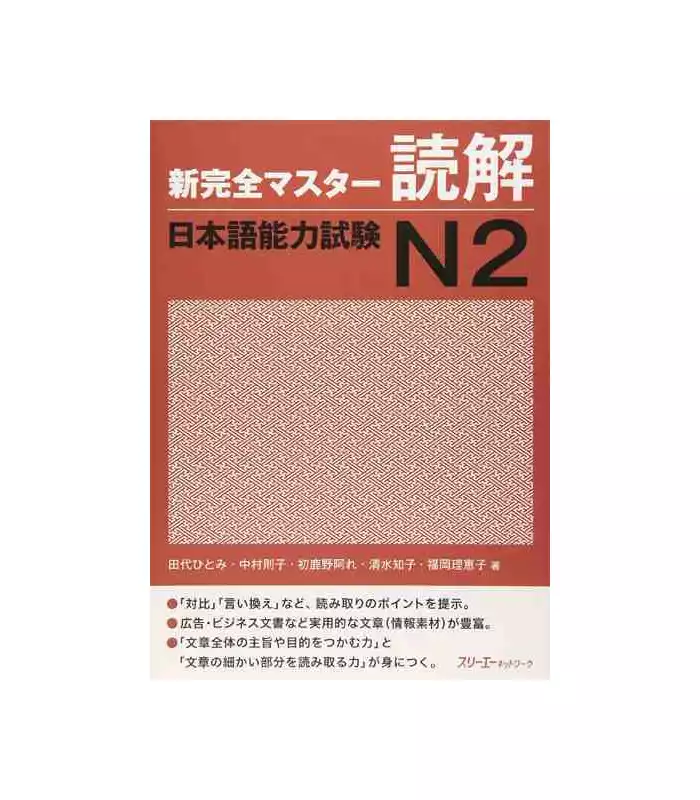
This comprehensive JLPT N2 reading book presents reading comprehension entirely in Japanese, making it ideal for learners comfortable with Japanese-language explanations.
What makes Shin Kanzen Master exceptional is its exhaustive example collection. Nearly every question type receives multiple worked examples with detailed reasoning. This redundancy accelerates pattern recognition, your brain begins anticipating question logic before reading answer choices.
Without English translations or simplified definitions, learners still developing advanced comprehension struggle initially. If Japanese explanations intimidate you, consider beginning with bilingual resources before progressing to Shin Kanzen Master.
Nihongo So-Matome JLPT N2 (Reading Comprehension)
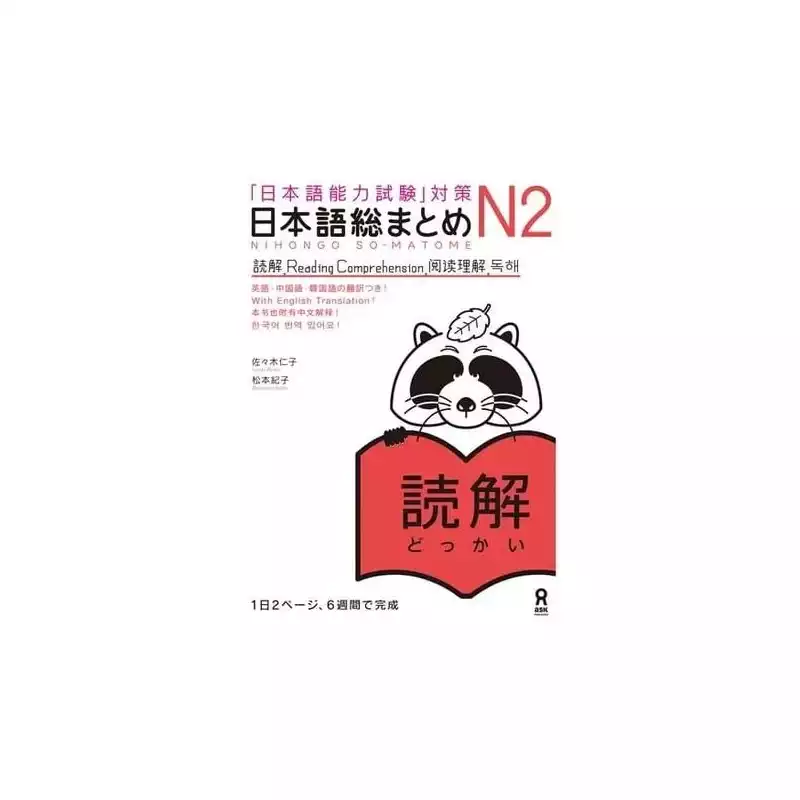
Nihongo So-Matome JLPT N2 reading comprehension organizes content by question type rather than difficulty, making it excellent for understanding what examiners actually test. Each daily lesson (typically 20-30 minutes) focuses on a single question pattern with key vocabulary lists and expressions.
Lessons are digestible and systematic. You progress through every major question type methodically, building confidence with each completed section. So-Matome works best as a foundation combined with authentic material practice. Use it to understand question mechanics, then apply that knowledge to real passages under timed conditions.Complement these resources with our JLPT N2 grammar guide and JLPT N2 kanji list, which strengthen comprehension speed. For structured, comprehensive preparation across all N2 sections, our JLPT N2 prep course provides integrated instruction designed for realistic preparation.