
 English
  Español

Tips for More Effective Studying
Nihongo Online School > Tips for More Effective Studying > JLPT N2 kanji: list & requirements to pass
JLPT N2 kanji: list & requirements to pass
2025/11/23
Director: Kotaro Muramoto
Principal of Nihongo Online School
In September 2019, he founded "Nihongo Online School". Since then, has been teaching Japanese online lessons, with a total of over 1,000 students.
He has designed an individualized curriculum based on student’s needs and study goal. And is conscious of making the classes speech-centered in order to improve students’ speaking skills.
The school asks students to submit homework assignments worth 2 hours per lesson to improve faster. By supporting students with these features, students are able to efficiently improve Japanese language skills.
To succeed at the JLPT N2, you must develop solid proficiency with hundreds of characters and their multiple readings. This comprehensive resource walks you through everything required to build N2 kanji competency.
Whether you’re preparing for the test or simply want to reach upper-intermediate Japanese fluency, this guide provides concrete steps and top-ranked study materials to accelerate your progress.
Contents

What are the JLPT N2 kanji requirements?
The JLPT N2 assessment contains three components:
- Language Knowledge
- Reading Comprehension
- Listening Comprehension
Japanese Kanji N2 mastery forms the backbone of this level. You’ll encounter characters spanning professional writing, journalism, and formal correspondence. These kanji appear consistently across newspapers, workplace documents, and specialized fields, making their recognition vital for actual written Japanese beyond casual materials.
How many kanji do you need for JLPT N2?

Passing the JLPT N2 requires recognizing approximately 1,000 to 1,250 characters.
Keep in mind this cumulative total includes material from N5, N4, and N3, not just fresh N2 Kanji material.
Breaking this down by each level reveals the progression:
- N5: 80 characters
- N4: 170 characters
- N3: 370 characters
- N2: 380 characters
Total reaching N2: approximately 1,000-1,250
How long does it take to learn all N2 kanji?
Climbing to N2 kanji competency generally demands 800 to 1,000 total study hours from absolute zero. However, timing varies based on daily study commitment and your chosen approach.
- At 3~4 hours daily: You can reach JLPT N2 from N3 within a 6–9 month window.
- At 2~3 hours daily: 9 to 12 months of steady effort yields solid progress at a moderate pace.
- At 1 hour daily: Expect 3.5~4 years moving from N3 toward N2 pass.
Interestingly, study methodology influences these timelines significantly. Learners employing immersion-heavy techniques sometimes report clearing N2 in approximately 600~700 hours, while those following traditional textbook-centered paths may need closer to 2,200 cumulative hours from the starting point.
The complete JLPT N2 kanji list (380 Characters)
The following reference table presents all 380 kanji at the JLPT N2 tier. Each entry includes character meaning, pronunciation variants, and authentic vocabulary samples demonstrating real-world application. You can reference this JLPT N2 kanji list repeatedly,many entries appear in actual testing scenarios.
N2 Kanji 1-100
| Kanji | Meaning | On’yomi | Kun’yomi | Example Words |
| 軍 | army | グン | いくさ | 軍隊 (military), 自衛隊 (self-defense forces) |
| 兵 | soldier | ヘイ | つわもの | 兵隊 (soldier), 兵士 (private) |
| 島 | island | トウ | しま | 日本列島 (Japanese islands), 島国 (island nation) |
| 村 | village | ソン | むら | 村長 (village chief), 農村 (rural village) |
| 門 | gate | モン | かど | 門戸 (gateway), 校門 (school gate) |
| 戸 | door | コ | と | 戸別訪問 (door-to-door visit) |
| 武 | warrior | ブ | たけ | 武器 (weapon), 武道 (martial arts), 武装 (armed) |
| 城 | castle | ジョウ | しろ | 城下町 (castle town), 城郭 (castle fortification) |
| 総 | general, all | ソウ | すべ(て) | 総合 (comprehensive), 総務 (general affairs) |
| 団 | group | ダン | かたまり | 団体 (organization), 楽団 (orchestra), 団結 (unity) |
| 線 | line | セン | すじ | 線路 (railway), 直線 (straight line), 曲線 (curve) |
| 設 | establish | セツ | もう(ける) | 設置 (installation), 設定 (setting), 設立 (establishment) |
| 勢 | force | セイ | いきお(い) | 勢い (momentum), 形勢 (situation), 勢力 (influence) |
| 党 | party | トウ | なかま | 政党 (political party), 野党 (opposition party), 与党 (ruling party) |
| 史 | history | シ | — | 歴史 (history), 古史 (ancient history) |
| 営 | conduct | エイ | いとな(む) | 営業 (business), 営利 (profit-making), 営農 (farming) |
| 府 | government | フ | — | 京都府 (Kyoto Prefecture), 政府 (government), 府知事 (prefectural governor) |
| 巻 | roll | カン | ま(く) | 巻物 (scroll), 第一巻 (volume one), 巻き込む (to involve) |
| 介 | mediate | カイ | — | 介入 (intervention), 紹介 (introduction), 仲介 (mediation) |
| 蔵 | storehouse | ゾウ | くら | 蔵書 (stored books), 酒蔵 (sake brewery), 厳蔵 (treasury) |
| 造 | make | ゾウ | つく(る) | 造成 (land development), 造船 (shipbuilding) |
| 根 | root | コン | ね | 根拠 (basis), 根本 (fundamental), 生根 (roots) |
| 寺 | temple | ジ | てら | 寺院 (temple), 禅寺 (Zen temple) |
| 査 | investigate | サ | — | 調査 (survey), 検査 (inspection), 査察 (inspection) |
| 将 | general | ショウ | masa(に) | 将来 (future), 将軍 (shogun), 将校 (military officer) |
| 改 | reform | カイ | あらた(める) | 改善 (improvement), 改革 (reform), 改正 (revision) |
| 県 | prefecture | ケン | — | 東京都 (Tokyo), 県知事 (prefectural governor) |
| 泉 | spring | セン | いずみ | 泉水 (spring water), 温泉 (hot spring) |
| 像 | image | ゾウ | — | 雕像 (statue), 現象 (phenomenon), 象徴 (symbol) |
| 細 | thin | サイ | ほそ(い) | 細部 (details), 細心 (careful attention), 細線 (thin line) |
| 谷 | valley | コク | たに | 谷間 (valley), 山谷 (mountain valley) |
| 奥 | depth | オウ | おく | 奥深い (profound), 奥義 (secret teaching), 奥様 (madam) |
| 再 | again | サイ | ふたた(び) | 再開 (restart), 再度 (once again), 再考 (reconsideration) |
| 血 | blood | ケツ | ち | 血液 (blood), 出血 (bleeding), 血管 (blood vessel) |
| 算 | calculate | サン | — | 計算 (calculation), 算数 (arithmetic), 暗算 (mental calculation) |
| 象 | elephant | ショウ | かたど(る) | 象徴 (symbol), 現象 (phenomenon), 象牙 (ivory) |
| 清 | pure | セイ | きよ(い) | 清潔 (clean), 清廉 (pure and honest), 清流 (clear stream) |
| 技 | technique | ギ | わざ | 技術 (technique), 技能 (skill), 技芸 (art) |
| 州 | state | シュウ | — | オーストラリア州 (Australian states) |
| 領 | territory | リョウ | えり | 領土 (territory), 領域 (region), 領海 (territorial waters) |
| 橋 | bridge | キョウ | はし | 橋梁 (bridge), 跨橋 (overpass) |
| 芸 | art | ゲイ | わざ | 芸術 (art), 芸能 (entertainment), 歌舞伎芸 (kabuki art) |
| 型 | type | ケイ | かた | 型紙 (template), 型通り (typical), 新型 (new model) |
| 香 | fragrance | コウ | かお(り) | 香料 (spice), 香水 (perfume), 沈香 (aloeswood) |
| 量 | quantity | リョウ | はか(る) | 量産 (mass production), 数量 (quantity), 容量 (capacity) |
| 久 | long time | キュウ | ひさ(しい) | 久遠 (eternity), 久別 (long separation) |
| 境 | border | キョウ | さかい | 境界 (boundary), 国境 (national border), 市境 (municipal boundary) |
| 階 | stair | カイ | きざはし | 階段 (staircase), 階級 (class/rank) |
| 区 | district | ク | — | 地区 (district), 区別 (distinction), 区域 (area) |
| 波 | wave | ハ | なみ | 波動 (wave motion), 波長 (wavelength), 音波 (sound wave) |
| 移 | move | イ | うつ(る) | 移動 (movement), 移転 (relocation), 移住 (migration) |
| 域 | region | イキ | — | 地域 (region), 領域 (domain), 区域 (area) |
| 周 | circumference | シュウ | まわ(り) | 周辺 (surroundings), 周期 (period/cycle), 一周年 (first anniversary) |
| 接 | touch | セツ | つ(ぐ) | 接触 (contact), 接近 (approach), 直接 (direct) |
| 鉄 | iron | テツ | くろがね | 鉄道 (railroad), 鉄鋼 (steel), 鉄板 (iron plate) |
| 頃 | around | ケイ | ころ | 最近の頃 (recent times), 頃日 (the other day) |
| 材 | material | ザイ | — | 材料 (material), 木材 (timber), 素材 (raw material) |
| 個 | individual | コ | — | 個人 (individual), 個性 (individuality), 個数 (number of items) |
| 協 | cooperation | キョウ | — | 協力 (cooperation), 協会 (association), 協定 (agreement) |
| 各 | each | カク | おのおの | 各地 (every place), 各自 (each person), 各部門 (each division) |
| 帯 | belt | タイ | お(びる) | 帯域 (zone), 帯電 (electrification) |
| 歴 | history | レキ | — | 歴史 (history), 経歴 (career history), 履歴 (record) |
| 編 | edit | ヘン | あ(む) | 編成 (organization), 編集 (editing), 編著 (compiled work) |
| 裏 | back | リ | うら | 裏側 (back side), 表裏 (front and back), 中裏 (inside) |
| 比 | compare | ヒ | くら(べる) | 比較 (comparison), 比率 (ratio), 比例 (proportion) |
| 坂 | slope | ハン | さか | 坂道 (slope), 急坂 (steep slope) |
| 装 | attire | ソウ | よそお(う) | 装備 (equipment), 装甲 (armor), 装飾 (decoration) |
| 省 | ministry | セイ | かえり(みる) | 省庁 (government ministry), 省略 (abbreviation), 節省 (economizing) |
| 税 | tax | ゼイ | — | 所得税 (income tax), 税務 (taxation), 消費税 (consumption tax) |
| 競 | compete | キョウ | きそ(う) | 競争 (competition), 競技 (sport), 競合 (rivalry) |
| 囲 | surround | イ | かこ(む) | 囲碁 (Go game), 囲む (to surround), 取囲 (encirclement) |
| 辺 | edge | ヘン | あた(り) | 周辺 (periphery), 近辺 (near vicinity), 山辺 (mountainside) |
| 河 | river | カ | かわ | 河口 (river mouth), 河川 (rivers), 河岸 (riverbank) |
| 極 | pole | キョク | きわ(める) | 極端 (extreme), 北極 (North Pole), 極限 (limit) |
| 防 | defend | ボウ | ふせ(ぐ) | 防止 (prevention), 国防 (national defense), 防水 (waterproof) |
| 低 | low | テイ | ひく(い) | 低迷 (decline), 低下 (decrease), 低気圧 (low pressure) |
| 林 | grove | リン | はやし | 林業 (forestry), 竹林 (bamboo grove), 雑木林 (mixed woods) |
| 導 | guide | ドウ | みちび(く) | 指導 (guidance), 導入 (introduction), 導出 (derivation) |
| 森 | forest | シン | もり | 森林 (forest), 深い森 (deep forest) |
| 丸 | round | ガン | まる | 丸形 (round shape), 丸暗記 (rote memorization) |
| 胸 | chest | キョウ | むね | 胸部 (chest), 胸痛 (chest pain), 胸像 (bust sculpture) |
| 陸 | land | リク | おか | 陸地 (land), 陸路 (overland route), 陸上 (on land) |
| 療 | heal | リョウ | — | 治療 (treatment), 療法 (therapy), 療養 (recuperation) |
| 諸 | various | ショ | もろ | 諸国 (various countries), 諸問題 (various issues), 諸般 (various) |
| 管 | pipe | カン | くだ | 管理 (management), 管轄 (jurisdiction), 管状 (tubular) |
| 仲 | friend | チュウ | なか | 仲介 (mediation), 仲裁 (arbitration), 仲間 (companion) |
| 革 | reform | カク | かわ | 改革 (reform), 革命 (revolution), 皮革 (leather) |
| 担 | carry | タン | かつ(ぐ) | 担当 (charge), 分担 (sharing), 担任 (homeroom teacher) |
| 効 | effect | コウ | き(く) | 効果 (effect), 有効 (effective), 効力 (efficacy) |
| 賞 | prize | ショウ | ほ(める) | 賞金 (prize money), ノーベル賞 (Nobel Prize), 優賞 (award) |
| 星 | star | セイ | ほし | 星座 (constellation), 流れ星 (shooting star), 明星 (bright star) |
| 復 | restore | フク | また | 復活 (revival), 復旧 (restoration), 復帰 (return) |
| 片 | one-sided | ヘン | かた | 片側 (one side), 片方 (one of a pair), 片言 (broken language) |
| 並 | line up | ヘイ | なみ | 並列 (parallel), 並行 (running parallel), 並ぶ (to line up) |
| 底 | bottom | テイ | そこ | 底面 (bottom surface), 底部 (bottom), 海底 (sea bottom) |
| 温 | warm | オン | あたた(かい) | 温度 (temperature), 温泉 (hot spring), 温和 (gentle) |
| 軽 | light | ケイ | かる(い) | 軽減 (mitigation), 軽視 (underestimation), 軽車両 (light vehicle) |
| 録 | record | ロク | と(る) | 記録 (record), 録画 (recording), 録音 (audio recording) |
| 腰 | waist | ヨウ | こし | 腰痛 (lower back pain), 腰掛 (sitting down), 腰部 (waist area) |
| 著 | famous | チョ | あらわ(す) | 著作 (literary work), 著者 (author), 著述 (writing) |
| 乱 | disorder | ラン | みだ(れる) | 混乱 (confusion), 乱闘 (brawl), 反乱 (rebellion) |
| 章 | chapter | ショウ | — | 章立て (chapter structure), 第一章 (Chapter one), 序章 (prologue) |
| 殿 | palace | デン | との | 殿下 (Your Highness), 本殿 (main hall) |
| 布 | cloth | フ | ぬの | 布地 (cloth), 布製 (made of cloth), 麻布 (hemp cloth) |
| 角 | corner | カク | かど | 角度 (angle), 四角形 (quadrilateral), 直角 (right angle) |
| 仏 | Buddha | ブツ | ほとけ | 仏教 (Buddhism), 仏像 (Buddha statue) |
| 永 | eternity | エイ | なが(い) | 永遠 (eternity), 永住 (permanent residence), 永年 (long years) |
| 誌 | magazine | シ | — | 雑誌 (magazine), 機関誌 (house organ) |
| 減 | decrease | ゲン | へ(る) | 減少 (decrease), 削減 (reduction), 減速 (deceleration) |
| 略 | abbreviate | リャク | ほぼ | 省略 (abbreviation), 略図 (sketch map), 略称 (abbreviation) |
| 準 | semi | ジュン | — | 準備 (preparation), 準優勝 (runner-up), 準急 (semi-express) |
| 委 | entrust | イ | ゆだ(ねる) | 委員会 (committee), 委任 (delegation), 委譲 (transfer) |
| 令 | order | レイ | — | 命令 (order), 法令 (ordinance), 政令 (government ordinance) |
| 刊 | publish | カン | — | 出刊 (publication), 週刊 (weekly), 月刊 (monthly) |
| 焼 | bake | ショウ | や(く) | 焼成 (firing), 焼却 (incineration), 焼き物 (pottery) |
| 里 | village | リ | さと | 故里 (hometown), 里山 (village mountain) |
| 圧 | pressure | アツ | お(す) | 圧力 (pressure), 圧倒 (overwhelming), 気圧 (atmospheric pressure) |
| 額 | amount | ガク | ひたい | 金額 (amount), 額面 (face value), 領収額 (amount received) |
| 印 | stamp | イン | しるし | 印鑑 (seal), 印刷 (printing), 指紋 (fingerprint) |
| 池 | pond | チ | いけ | 池畔 (pond edge), 庭池 (garden pond) |
N2 Kanji 101-200
| Kanji | Meaning | On’yomi | Kun’yomi | Example Words |
| 臣 | retainer | シン | — | 家臣 (retainer), 大臣 (minister), 属臣 (vassal) |
| 庫 | warehouse | コ | くら | 倉庫 (warehouse), 書庫 (book storage), 冷蔵庫 (refrigerator) |
| 農 | agriculture | ノウ | — | 農業 (agriculture), 農村 (rural area), 農民 (farmer) |
| 板 | board | ハン | いた | 板材 (board), 板張 (wooden planking), 板金 (sheet metal) |
| 恋 | romance | レン | こい(しい) | 恋愛 (romance), 初恋 (first love), 恋しい (yearning for) |
| 羽 | feather | ウ | は | 羽根 (wing feather), 羽毛 (feathers) |
| 専 | specialty | セン | — | 専門 (specialty), 専攻 (major), 専任 (full-time) |
| 逆 | reverse | ギャク | さか(らう) | 逆転 (reversal), 逆流 (counter-current), 逆さ (upside down) |
| 腕 | arm | ワン | うで | 腕力 (arm strength), 腕利き (skillful), 腕前 (ability) |
| 短 | short | タン | みじか(い) | 短縮 (shortening), 短期 (short-term), 短編 (short story) |
| 普 | universal | フ | あまね(く) | 普及 (popularization), 普通 (common), 普遍 (universal) |
| 岩 | rock | ガン | いわ | 岩盤 (bedrock), 岩石 (rock), 巨岩 (boulder) |
| 竹 | bamboo | チク | たけ | 竹林 (bamboo grove), 竹製 (bamboo made), 竹細工 (bamboo craft) |
| 児 | child | ジ | こ | 小児 (small child), 幼児 (infant), 児童 (child) |
| 毛 | hair | モウ | け | 毛髪 (hair), 毛皮 (fur), 毛織物 (woolen cloth) |
| 版 | edition | ハン | — | 出版 (publication), 版元 (publisher), 版権 (copyright) |
| 宇 | space | ウ | — | 宇宙 (space), 宇宙人 (alien) |
| 況 | situation | キョウ | — | 状況 (situation), 情況 (circumstances) |
| 被 | cover | ヒ | こうむ(る) | 被害 (damage), 被告 (defendant), 被保険者 (insured person) |
| 岸 | shore | ガン | きし | 岸壁 (quay), 河岸 (riverbank), 海岸 (seashore) |
| 超 | exceed | チョウ | こ(える) | 超過 (excess), 超越 (transcendence), 超音速 (supersonic) |
| 豊 | abundant | ホウ | ゆた(か) | 豊富 (abundant), 豊かな生活 (rich life) |
| 含 | contain | ガン | ふく(む) | 含有 (containment), 内含 (implicit), 含意 (implication) |
| 植 | plant | ショク | う(える) | 植林 (afforestation), 植民 (colonization), 植物 (plant) |
| 補 | supplement | ホ | おぎな(う) | 補助 (subsidy), 補充 (replenishment), 補完 (complementarity) |
| 暴 | violence | ボウ | あば(く) | 暴力 (violence), 暴露 (exposure), 暴動 (riot) |
| 課 | lesson | カ | — | 課題 (subject), 税課 (tax division), 課程 (course) |
| 跡 | trace | セキ | あと | 遺跡 (ruins), 跡地 (site), 足跡 (footprint) |
| 触 | touch | ショク | ふ(れる) | 接触 (contact), 触発 (instigation), 触媒 (catalyst) |
| 玉 | jewel | ギョク | たま | 宝玉 (precious stone), 玉石 (jewel and stone), 玉造 (bead making) |
| 震 | shake | シン | ふる(う) | 地震 (earthquake), 震動 (vibration), 共震 (sympathetic vibration) |
| 億 | hundred million | オク | — | 一億 (one hundred million), 億万長者 (multimillionaire) |
| 肩 | shoulder | ケン | かた | 肩幅 (shoulder width), 肩書 (title), 肩車 (piggyback) |
| 劇 | drama | ゲキ | — | 劇場 (theater), 劇作 (playwriting), 戯劇 (drama) |
| 刺 | pierce | シ | さ(す) | 刺激 (stimulation), 刺繍 (embroidery), 反刺 (counterattack) |
| 述 | state | ジュツ | の(べる) | 述べる (to state), 論述 (narrative), 所述 (aforementioned) |
| 輪 | wheel | リン | わ | 輪ゴム (rubber band), 車輪 (wheel), 指輪 (ring) |
| 浅 | shallow | セン | asa(i) | 浅深 (shallowness and depth), 浅黄 (pale yellow) |
| 純 | pure | ジュン | — | 純粋 (pure), 純金 (pure gold), 単純 (simple) |
| 薄 | thin | ハク | うす(い) | 薄板 (thin plate), 薄紙 (thin paper), 薄利 (small profit) |
| 阪 | slope | ハン | — | 大阪 (Osaka) |
| 韓 | Korea | カン | — | 韓国 (South Korea) |
| 固 | solid | コ | かた(める) | 固定 (fixation), 固体 (solid), 固有 (inherent) |
| 巨 | huge | キョ | — | 巨人 (giant), 巨額 (huge sum), 巨大 (gigantic) |
| 講 | lecture | コウ | — | 講座 (lecture), 講演 (speech), 講義 (lecture) |
| 般 | general | ハン | — | 一般 (general), 百般 (all kinds), 万般 (all matters) |
| 湯 | hot water | トウ | ゆ | 温湯 (warm water), 湯沸し (boiling water), 湯浴み (bathing) |
| 捨 | abandon | シャ | す(てる) | 捨去 (abandonment), 捨身 (self-sacrifice) |
| 衣 | garment | イ | ころも | 衣服 (clothing), 衣装 (costume), 衣類 (garments) |
| 替 | exchange | タイ | か(わる) | 交替 (replacement), 代替 (substitute), 替え玉 (substitute) |
| 央 | center | オウ | — | 中央 (center), 央行 (central bank) |
| 骨 | bone | コツ | ほね | 骨組 (skeleton frame), 骨髄 (bone marrow), 骨粉 (bone meal) |
| 齢 | age | レイ | よわい | 年齢 (age), 同齢 (same age), 老齢 (old age) |
| 照 | shine | ショウ | て(る) | 照射 (irradiation), 照明 (lighting), 照合 (collation) |
| 層 | layer | ソウ | — | 層別 (stratification), 階層 (social class), 地層 (geological layer) |
| 弱 | weak | ジャク | よわ(い) | 弱体化 (weakening), 弱点 (weak point), 弱者 (weak person) |
| 築 | build | チク | きず(く) | 築造 (construction), 築城 (castle building), 新築 (newly built) |
| 脳 | brain | ノウ | — | 脳卒中 (stroke), 脳死 (brain death), 脳裏 (mind) |
| 航 | navigate | コウ | — | 航海 (voyage), 航空 (aviation), 航行 (navigation) |
| 快 | cheerful | カイ | こころよ(い) | 快感 (pleasant sensation), 快速 (rapid), 爽快 (refreshing) |
| 翌 | next | ヨク | — | 翌日 (next day), 翌週 (next week), 翌年 (next year) |
| 旧 | old | キュウ | ふる(い) | 旧式 (old-fashioned), 旧友 (old friend), 旧暦 (lunar calendar) |
| 筆 | brush | ヒツ | ふで | 筆跡 (handwriting), 筆記 (writing), 筆者 (author) |
| 換 | exchange | カン | か(える) | 両替 (exchange), 換金 (conversion to cash), 乗換 (transfer) |
| 群 | flock | グン | む(れる) | 群集 (crowd), 群馬県 (Gunma Prefecture) |
| 爆 | explode | バク | は(ぜる) | 爆発 (explosion), 爆撃 (bombing) |
| 捜 | search | ソウ | saga(す) | 捜索 (search), 捜査 (investigation) |
| 油 | oil | ユ | あぶら | 油田 (oil field), 油流出 (oil spill), 油脂 (oil and fat) |
| 叫 | shout | キョウ | sake(bu) | 叫声 (shout), 絶叫 (scream) |
| 伸 | extend | シン | の(びる) | 伸長 (extension), 伸展 (stretching), 伸びる (to extend) |
| 承 | accept | ショウ | うけたまわ(る) | 承認 (approval), 承知 (acknowledgment), 引受承諾 (acceptance) |
| 雲 | cloud | ウン | くも | 雲量 (cloud cover), 雲海 (sea of clouds) |
| 練 | practice | レン | ね(る) | 練習 (practice), 錬金術 (alchemy), 練成 (forging) |
| 紹 | introduce | ショウ | — | 紹介 (introduction), 推薦 (recommendation) |
| 包 | wrap | ホウ | つつ(む) | 包装 (packaging), 包括 (inclusion), 包含 (contain) |
| 庁 | office | チョウ | やくしょ | 都庁 (metropolitan government office), 庁舎 (government building) |
| 測 | measure | ソク | はか(る) | 測定 (measurement), 測量 (surveying), 推測 (conjecture) |
| 占 | occupy | セン | し(める) | 占有 (occupation), 占拠 (seizure), 占星術 (astrology) |
| 混 | mix | コン | ま(じる) | 混合 (mixing), 混雑 (congestion), 混乱 (confusion) |
| 倍 | double | バイ | — | 倍増 (doubling), 倍数 (multiple), 二倍 (double) |
| 乳 | milk | ニュウ | ちち | 乳製品 (dairy products), 乳幼児 (infants), 乳離れ (weaning) |
| 荒 | rough | コウ | あら(い) | 荒天 (rough weather), 荒廃 (desolation), 荒削り (rough-hewn) |
| 詰 | stuff | キツ | つ(める) | 詰問 (interrogation), 詰所 (checkpoint), 詰め込む (to cram) |
| 栄 | glory | エイ | さか(える) | 栄光 (glory), 栄養 (nutrition), 栄進 (advancement) |
| 床 | floor | ショウ | とこ | 床板 (floorboard), 床面 (floor surface), 花床 (flower bed) |
| 則 | rule | ソク | のっと(る) | 法則 (law), 原則 (principle), 規則 (regulation) |
| 禁 | forbid | キン | — | 禁止 (prohibition), 禁煙 (non-smoking), 禁用 (prohibited use) |
| 順 | order | ジュン | — | 順序 (order), 順調 (smooth), 順位 (rank) |
| 枚 | counter | マイ | — | 一枚の紙 (one sheet of paper), 複数枚 (multiple sheets) |
| 厚 | thick | コウ | あつ(い) | 厚板 (thick plate), 厚物 (thick cloth), 厚情 (kindness) |
| 皮 | skin | ヒ | かわ | 皮膚 (skin), 皮革 (leather), 皮下 (subcutaneous) |
| 輸 | transport | ユ | — | 輸出 (export), 輸入 (import), 輸送 (transportation) |
| 濃 | dense | ノウ | こ(い) | 濃度 (concentration), 濃厚 (thick/dense), 濃紫 (dark purple) |
| 簡 | simple | カン | — | 簡潔 (conciseness), 簡単 (simple), 簡明 (clear and simple) |
| 孫 | grandchild | ソン | まご | 孫娘 (granddaughter), 孫息子 (grandson) |
| 丈 | length | ジョウ | — | 身丈 (body height), 丈夫 (robust) |
| 黄 | yellow | コウ | き | 黄色 (yellow), 黄金 (gold), 黄河 (Yellow River) |
| 届 | deliver | カイ | とど(ける) | 届け出 (notification), 配達 (delivery), 届く (to reach) |
| 絡 | entangle | ラク | から(む) | 絡み合う (to intertwine), 絡繰 (mechanism) |
| 採 | pick | サイ | と(る) | 採用 (adoption), 採集 (collection), 採掘 (excavation) |
| 傾 | lean | ケイ | かたむ(く) | 傾向 (trend), 傾斜 (inclination), 傾く (to lean) |
| 鼻 | nose | ビ | はな | 鼻腔 (nasal cavity), 鼻血 (nosebleed) |
| 宝 | treasure | ホウ | たから | 宝物 (treasure), 宝庫 (treasure trove) |
| 患 | afflict | カン | わずら(う) | 患者 (patient), 患部 (affected area), 患難 (suffering) |
| 延 | extend | エン | の(びる) | 延長 (extension), 延期 (postponement), 延べ (total) |
| 律 | law | リツ | — | 律令 (law and ordinance), 自律 (autonomy), 規律 (discipline) |
| 希 | hope | キ | まれ | 希少 (rare), 希望 (hope), 希薄 (thin) |
| 甘 | sweet | カン | あま(い) | 甘味 (sweetness), 甘辛い (sweet and spicy), 甘党 (sweet-toothed person) |
| 湾 | bay | ワン | — | 湾曲 (curvature), 東京湾 (Tokyo Bay) |
| 沈 | sink | チン | しず(む) | 沈下 (subsidence), 沈静 (calmness), 沈黙 (silence) |
| 販 | sell | ハン | — | 販売 (sales), 販路 (sales channel), 販売店 (retail store) |
| 欧 | Europe | オウ | — | 欧米 (Europe and America), ヨーロッパ (Europe) |
| 砂 | sand | サ | すな | 砂漠 (desert), 砂利 (gravel), 砂糖 (sugar) |
| 尊 | revered | ソン | とうと(い) | 尊敬 (respect), 尊重 (esteem), 尊重意識 (respect consciousness) |
| 紅 | crimson | コウ | べに | 紅葉 (autumn leaves), 紅血球 (red blood cell) |
| 複 | double | フク | — | 複合 (combination), 複数 (plural), 複雑 (complex) |
| 泊 | overnight | ハク | と(まる) | 泊船 (anchored ship), 一泊 (one night’s stay) |
| 荷 | cargo | カ | に | 荷物 (baggage), 運送荷物 (shipped cargo) |
| 枝 | branch | シ | えだ | 枝葉 (twigs and leaves), 樹枝 (tree branch) |
| 依 | rely | イ | よ(る) | 依頼 (request), 依存 (dependence), 依拠 (basis) |
| 幼 | infancy | ヨウ | おさな(い) | 幼児 (young child), 幼稚園 (kindergarten), 幼少 (childhood) |
| 斬 | cut | ザン | き(る) | 斬撃 (slash attack), 斬首 (beheading) |
| 勇 | courage | ユウ | いさ(む) | 勇気 (courage), 勇敢 (brave), 勇士 (brave soldier) |
| 昇 | rise | ショウ | のぼ(る) | 昇進 (promotion), 昇格 (advancement), 昇天 (ascension) |
| 寿 | longevity | ジュ | — | 寿命 (lifespan), 長寿 (longevity) |
| 菜 | vegetable | サイ | な | 野菜 (vegetables), 菜食 (vegetarianism) |
| 季 | season | キ | — | 季節 (season), 季刊 (quarterly), 四季 (four seasons) |
| 液 | liquid | エキ | — | 液体 (liquid), 液晶 (liquid crystal), 体液 (body fluid) |
| 券 | ticket | ケン | — | 切符 (ticket), 乗車券 (transportation ticket), 商品券 (gift certificate) |
| 祭 | festival | サイ | まつり | 祭祀 (religious rite), 文化祭 (cultural festival), 学園祭 (school festival) |
| 袋 | bag | タイ | ふくろ | 袋詰 (packing in bags), 紙袋 (paper bag) |
| 燃 | burn | ネン | も(える) | 燃焼 (combustion), 燃料 (fuel), 燃費 (fuel consumption) |
| 毒 | poison | ドク | — | 毒性 (toxicity), 毒物 (poison), 解毒 (antidote) |
| 札 | ticket | サツ | ふだ | 札幌 (Sapporo), 札束 (bundle of notes) |
| 狙 | aim | ソ | ねら(う) | 狙撃 (sniping), 狙撃手 (sniper) |
| 脇 | side | キョウ | わき | 脇腹 (side of abdomen), 脇役 (supporting role) |
| 卒 | graduate | ソツ | そっ(する) | 卒業 (graduation), 卒業式 (graduation ceremony), 大卒 (college graduate) |
| 副 | vice | フク | — | 副作用 (side effect), 副社長 (vice president), 副知事 (vice governor) |
| 敬 | respect | ケイ | うやま(う) | 敬意 (respect), 敬礼 (salute), 尊敬 (respect) |
| 針 | needle | シン | はり | 針葉樹 (coniferous tree), 縫い針 (sewing needle) |
| 拝 | worship | ハイ | おが(む) | 拝礼 (worship), 拝殿 (worship hall) |
| 浴 | bathe | ヨク | あ(びる) | 浴場 (bathhouse), 浴衣 (summer kimono), 浴びる (to bathe) |
| 悩 | worry | ノウ | なや(む) | 悩み (worry), 悩ましい (bothersome) |
| 汚 | dirty | オ | よご(す) | 汚染 (pollution), 汚れ (dirt), 汚濁 (murky) |
| 灯 | light | トウ | ひ | 灯火 (light), 街灯 (streetlight), 灯台 (lighthouse) |
| 坊 | boy | ボウ | — | 坊主 (bald head), 坊ちゃん (young master) |
| 尻 | buttocks | シ | しり | 尻拭い (cleaning up), 尻込み (hesitation) |
| 涙 | tear | ルイ | なみだ | 涙ぐましい (touching), 涙目 (tearful eyes) |
| 停 | stop | テイ | と(める) | 停車 (stopping), 停電 (blackout), 停止 (halt) |
| 了 | complete | リョウ | — | 了解 (understanding), 了承 (agreement), 了知 (knowledge) |
| 汗 | sweat | カン | あせ | 汗水 (sweat), 冷や汗 (cold sweat), 汗ばむ (to perspire) |
| 郵 | ユウ | — | 郵便 (mail), 郵送 (mailing), 郵便局 (post office) | |
| 幅 | width | フク | はば | 幅広い (wide), 幅員 (width), 道路幅 (road width) |
| 童 | child | ドウ | わらべ | 童話 (fairy tale), 童謡 (children’s song), 童心 (childlike heart) |
| 虫 | insect | チュウ | むし | 虫歯 (cavity), 虫刺され (insect bite), 昆虫 (insect) |
| 埋 | bury | マイ | う(める) | 埋蔵 (buried storage), 埋め込む (to embed) |
| 舟 | boat | シュウ | ふね | 舟遊び (boating), 小舟 (small boat) |
| 闇 | darkness | アン | やみ | 闇市場 (black market), 闇金融 (loan shark) |
| 棒 | stick | ボウ | — | 棒読み (monotone reading), 棒グラフ (bar graph) |
| 貨 | goods | カ | たから | 貨物 (cargo), 貨幣 (currency) |
| 肌 | skin | キ | はだ | 肌着 (undergarment), 肌色 (skin color), 肌触り (feel of skin) |
| 臓 | organ | ゾウ | はらわた | 臓器 (organ), 五臓六腑 (internal organs) |
| 塩 | salt | エン | しお | 塩漬け (salt-pickled), 食塩 (table salt), 塩化 (chlorination) |
| 均 | equal | キン | なら(す) | 均等 (equal), 均衡 (balance), 均一 (uniform) |
| 湖 | lake | コ | みずうみ | 淡水湖 (freshwater lake), 湖畔 (lakeside) |
| 損 | loss | ソン | そこ(なう) | 損失 (loss), 損害 (damage), 損益 (profit and loss) |
| 膝 | knee | シツ | ひざ | 膝小僧 (kneecap), 膝を突く (to kneel) |
| 辛 | spicy | シン | から(い) | 辛苦 (hardship), 辛辣 (caustic), 辛酸 (bitterness) |
| 双 | pair | ソウ | ふた | 双眼鏡 (binoculars), 双子 (twins) |
| 軒 | counter | ケン | のき | 一軒家 (single house), 商店街の軒数 (number of stores) |
| 績 | achievement | セキ | — | 実績 (results), 戦績 (battle record), 成績 (grades) |
| 干 | dry | カン | ほ(す) | 干天 (drought), 干し肉 (dried meat), 干渉 (interference) |
| 姓 | surname | セイ | — | 姓名 (full name), 姓氏 (surname) |
| 掘 | dig | クツ | ほ(る) | 掘削 (excavation), 掘り出す (to unearth) |
| 籍 | register | セキ | — | 籍を置く (to register), 戸籍 (family register) |
| 珍 | rare | チン | めずら(しい) | 珍しい (rare), 珍品 (rare article), 珍獣 (rare animal) |
| 訓 | instruction | クン | よ(む) | 訓読 (native Japanese reading), 訓示 (instruction) |
| 預 | entrust | ヨ | あず(ける) | 預金 (bank deposit), 預け荷物 (checked luggage) |
| 署 | office | ショ | — | 警察署 (police station), 税務署 (tax office) |
| 漁 | fishing | ギョ | あさ(る) | 漁業 (fishing industry), 漁村 (fishing village) |
| 緑 | green | リョク | みどり | 緑茶 (green tea), 緑地 (green space), 新緑 (fresh greenery) |
N2 Kanji 201-300
| Kanji | Meaning | On’yomi | Kun’yomi | Example Words |
| 郵 | ユウ | — | 郵便 (mail), 郵送 (mailing), 郵便局 (post office) | |
| 仲 | friend | チュウ | なか | 仲介 (mediation), 仲裁 (arbitration), 仲間 (companion) |
| 栄 | glory | エイ | さか(える) | 栄光 (glory), 栄養 (nutrition), 栄進 (advancement) |
| 札 | ticket | サツ | ふだ | 札幌 (Sapporo), 札束 (bundle of notes) |
| 板 | board | ハン | いた | 板材 (board), 板張 (wooden planking), 板金 (sheet metal) |
| 骨 | bone | コツ | ほね | 骨組 (skeleton frame), 骨髄 (bone marrow), 骨粉 (bone meal) |
| 傾 | lean | ケイ | かたむ(く) | 傾向 (trend), 傾斜 (inclination), 傾く (to lean) |
| 届 | deliver | カイ | とど(ける) | 届け出 (notification), 配達 (delivery), 届く (to reach) |
| 巻 | roll | カン | ま(く) | 巻物 (scroll), 第一巻 (volume one), 巻き込む (to involve) |
| 燃 | burn | ネン | も(える) | 燃焼 (combustion), 燃料 (fuel), 燃費 (fuel consumption) |
| 跡 | trace | セキ | あと | 遺跡 (ruins), 跡地 (site), 足跡 (footprint) |
| 包 | wrap | ホウ | つつ(む) | 包装 (packaging), 包括 (inclusion), 包含 (contain) |
| 駐 | stationed | チュウ | — | 駐車 (parking), 駐在 (station), 駐屯 (garrison) |
| 弱 | weak | ジャク | よわ(い) | 弱体化 (weakening), 弱点 (weak point), 弱者 (weak person) |
| 紹 | introduce | ショウ | — | 紹介 (introduction), 推薦 (recommendation) |
| 雇 | employ | コ | やと(う) | 雇用 (employment), 雇用契約 (employment contract) |
| 替 | exchange | タイ | か(わる) | 交替 (replacement), 代替 (substitute), 替え玉 (substitute) |
| 預 | entrust | ヨ | あず(ける) | 預金 (bank deposit), 預け荷物 (checked luggage) |
| 焼 | bake | ショウ | や(く) | 焼成 (firing), 焼却 (incineration), 焼き物 (pottery) |
| 簡 | simple | カン | — | 簡潔 (conciseness), 簡単 (simple), 簡明 (clear and simple) |
| 章 | chapter | ショウ | — | 章立て (chapter structure), 第一章 (Chapter one), 序章 (prologue) |
| 臓 | organ | ゾウ | はらわた | 臓器 (organ), 五臓六腑 (internal organs) |
| 律 | law | リツ | — | 律令 (law and ordinance), 自律 (autonomy), 規律 (discipline) |
| 贈 | give | ゾウ | おく(る) | 贈呈 (presentation), 贈り物 (gift), 贈答 (gift exchange) |
| 照 | shine | ショウ | て(る) | 照射 (irradiation), 照明 (lighting), 照合 (collation) |
| 薄 | thin | ハク | うす(い) | 薄板 (thin plate), 薄紙 (thin paper), 薄利 (small profit) |
| 群 | flock | グン | む(れる) | 群集 (crowd), 群馬県 (Gunma Prefecture) |
| 秒 | second | ビョウ | — | 秒針 (second hand), 1秒 (one second) |
| 奥 | depth | オウ | おく | 奥深い (profound), 奥義 (secret teaching), 奥様 (madam) |
| 詰 | stuff | キツ | つ(める) | 詰問 (interrogation), 詰所 (checkpoint), 詰め込む (to cram) |
| 双 | pair | ソウ | ふた | 双眼鏡 (binoculars), 双子 (twins) |
| 刺 | pierce | シ | さ(す) | 刺激 (stimulation), 刺繍 (embroidery), 反刺 (counterattack) |
| 純 | pure | ジュン | — | 純粋 (pure), 純金 (pure gold), 単純 (simple) |
| 翌 | next | ヨク | — | 翌日 (next day), 翌週 (next week), 翌年 (next year) |
| 快 | cheerful | カイ | こころよ(い) | 快感 (pleasant sensation), 快速 (rapid), 爽快 (refreshing) |
| 片 | one-sided | ヘン | かた | 片側 (one side), 片方 (one of a pair), 片言 (broken language) |
| 敬 | respect | ケイ | うやま(う) | 敬意 (respect), 敬礼 (salute), 尊敬 (respect) |
| 悩 | worry | ノウ | なや(む) | 悩み (worry), 悩ましい (bothersome) |
| 泉 | spring | セン | いずみ | 泉水 (spring water), 温泉 (hot spring) |
| 皮 | skin | ヒ | かわ | 皮膚 (skin), 皮革 (leather), 皮下 (subcutaneous) |
| 漁 | fishing | ギョ | あさ(る) | 漁業 (fishing industry), 漁村 (fishing village) |
| 荒 | rough | コウ | あら(い) | 荒天 (rough weather), 荒廃 (desolation), 荒削り (rough-hewn) |
| 貯 | save | チョ | た(める) | 貯蓄 (savings), 貯金 (bank savings) |
| 硬 | hard | コウ | かた(い) | 硬度 (hardness), 硬質 (hard quality) |
| 埋 | bury | マイ | う(める) | 埋蔵 (buried storage), 埋め込む (to embed) |
| 柱 | pillar | チュウ | はしら | 柱時計 (pillar clock), 支柱 (support), 擁壁支柱 (retaining wall support) |
| 祭 | festival | サイ | まつり | 祭祀 (religious rite), 文化祭 (cultural festival), 学園祭 (school festival) |
| 袋 | bag | タイ | ふくろ | 袋詰 (packing in bags), 紙袋 (paper bag) |
| 筆 | brush | ヒツ | ふで | 筆跡 (handwriting), 筆記 (writing), 筆者 (author) |
| 訓 | instruction | クン | よ(む) | 訓読 (native Japanese reading), 訓示 (instruction) |
| 浴 | bathe | ヨク | あ(びる) | 浴場 (bathhouse), 浴衣 (summer kimono), 浴びる (to bathe) |
| 童 | child | ドウ | わらべ | 童話 (fairy tale), 童謡 (children’s song), 童心 (childlike heart) |
| 宝 | treasure | ホウ | たから | 宝物 (treasure), 宝庫 (treasure trove) |
| 患 | afflict | カン | わずら(う) | 患者 (patient), 患部 (affected area), 患難 (suffering) |
| 延 | extend | エン | の(びる) | 延長 (extension), 延期 (postponement), 延べ (total) |
| 希 | hope | キ | まれ | 希少 (rare), 希望 (hope), 希薄 (thin) |
| 湾 | bay | ワン | — | 湾曲 (curvature), 東京湾 (Tokyo Bay) |
| 沈 | sink | チン | しず(む) | 沈下 (subsidence), 沈静 (calmness), 沈黙 (silence) |
| 販 | sell | ハン | — | 販売 (sales), 販路 (sales channel), 販売店 (retail store) |
| 欧 | Europe | オウ | — | 欧米 (Europe and America), ヨーロッパ (Europe) |
| 尊 | revered | ソン | とうと(い) | 尊敬 (respect), 尊重 (esteem), 尊重意識 (respect consciousness) |
| 紅 | crimson | コウ | べに | 紅葉 (autumn leaves), 紅血球 (red blood cell) |
| 複 | double | フク | — | 複合 (combination), 複数 (plural), 複雑 (complex) |
| 泊 | overnight | ハク | と(まる) | 泊船 (anchored ship), 一泊 (one night’s stay) |
| 荷 | cargo | カ | に | 荷物 (baggage), 運送荷物 (shipped cargo) |
| 枝 | branch | シ | えだ | 枝葉 (twigs and leaves), 樹枝 (tree branch) |
| 依 | rely | イ | よ(る) | 依頼 (request), 依存 (dependence), 依拠 (basis) |
| 幼 | infancy | ヨウ | おさな(い) | 幼児 (young child), 幼稚園 (kindergarten), 幼少 (childhood) |
| 斬 | cut | ザン | き(る) | 斬撃 (slash attack), 斬首 (beheading) |
| 勇 | courage | ユウ | いさ(む) | 勇気 (courage), 勇敢 (brave), 勇士 (brave soldier) |
| 昇 | rise | ショウ | のぼ(る) | 昇進 (promotion), 昇格 (advancement), 昇天 (ascension) |
| 寿 | longevity | ジュ | — | 寿命 (lifespan), 長寿 (longevity) |
| 菜 | vegetable | サイ | な | 野菜 (vegetables), 菜食 (vegetarianism) |
| 季 | season | キ | — | 季節 (season), 季刊 (quarterly), 四季 (four seasons) |
| 液 | liquid | エキ | — | 液体 (liquid), 液晶 (liquid crystal), 体液 (body fluid) |
| 券 | ticket | ケン | — | 切符 (ticket), 乗車券 (transportation ticket), 商品券 (gift certificate) |
| 燃 | burn | ネン | も(える) | 燃焼 (combustion), 燃料 (fuel), 燃費 (fuel consumption) |
| 毒 | poison | ドク | — | 毒性 (toxicity), 毒物 (poison), 解毒 (antidote) |
| 狙 | aim | ソ | ねら(う) | 狙撃 (sniping), 狙撃手 (sniper) |
| 脇 | side | キョウ | わき | 脇腹 (side of abdomen), 脇役 (supporting role) |
| 卒 | graduate | ソツ | そっ(する) | 卒業 (graduation), 卒業式 (graduation ceremony), 大卒 (college graduate) |
| 副 | vice | フク | — | 副作用 (side effect), 副社長 (vice president), 副知事 (vice governor) |
| 針 | needle | シン | はり | 針葉樹 (coniferous tree), 縫い針 (sewing needle) |
| 拝 | worship | ハイ | おが(む) | 拝礼 (worship), 拝殿 (worship hall) |
| 汚 | dirty | オ | よご(す) | 汚染 (pollution), 汚れ (dirt), 汚濁 (murky) |
| 灯 | light | トウ | ひ | 灯火 (light), 街灯 (streetlight), 灯台 (lighthouse) |
| 坊 | boy | ボウ | — | 坊主 (bald head), 坊ちゃん (young master) |
| 尻 | buttocks | シ | しり | 尻拭い (cleaning up), 尻込み (hesitation) |
| 涙 | tear | ルイ | なみだ | 涙ぐましい (touching), 涙目 (tearful eyes) |
| 停 | stop | テイ | と(める) | 停車 (stopping), 停電 (blackout), 停止 (halt) |
| 了 | complete | リョウ | — | 了解 (understanding), 了承 (agreement), 了知 (knowledge) |
| 汗 | sweat | カン | あせ | 汗水 (sweat), 冷や汗 (cold sweat), 汗ばむ (to perspire) |
| 幅 | width | フク | はば | 幅広い (wide), 幅員 (width), 道路幅 (road width) |
| 虫 | insect | チュウ | むし | 虫歯 (cavity), 虫刺され (insect bite), 昆虫 (insect) |
| 舟 | boat | シュウ | ふね | 舟遊び (boating), 小舟 (small boat) |
| 闇 | darkness | アン | やみ | 闇市場 (black market), 闇金融 (loan shark) |
| 棒 | stick | ボウ | — | 棒読み (monotone reading), 棒グラフ (bar graph) |
| 貨 | goods | カ | たから | 貨物 (cargo), 貨幣 (currency) |
| 肌 | skin | キ | はだ | 肌着 (undergarment), 肌色 (skin color), 肌触り (feel of skin) |
| 塩 | salt | エン | しお | 塩漬け (salt-pickled), 食塩 (table salt), 塩化 (chlorination) |
| 均 | equal | キン | なら(す) | 均等 (equal), 均衡 (balance), 均一 (uniform) |
| 湖 | lake | コ | みずうみ | 淡水湖 (freshwater lake), 湖畔 (lakeside) |
| 損 | loss | ソン | そこ(なう) | 損失 (loss), 損害 (damage), 損益 (profit and loss) |
| 膝 | knee | シツ | ひざ | 膝小僧 (kneecap), 膝を突く (to kneel) |
| 辛 | spicy | シン | から(い) | 辛苦 (hardship), 辛辣 (caustic), 辛酸 (bitterness) |
| 軒 | counter | ケン | のき | 一軒家 (single house), 商店街の軒数 (number of stores) |
| 績 | achievement | セキ | — | 実績 (results), 戦績 (battle record), 成績 (grades) |
| 干 | dry | カン | ほ(す) | 干天 (drought), 干し肉 (dried meat), 干渉 (interference) |
| 姓 | surname | セイ | — | 姓名 (full name), 姓氏 (surname) |
| 掘 | dig | クツ | ほ(る) | 掘削 (excavation), 掘り出す (to unearth) |
| 籍 | register | セキ | — | 籍を置く (to register), 戸籍 (family register) |
| 珍 | rare | チン | めずら(しい) | 珍しい (rare), 珍品 (rare article), 珍獣 (rare animal) |
| 預 | entrust | ヨ | あず(ける) | 預金 (bank deposit), 預け荷物 (checked luggage) |
| 署 | office | ショ | — | 警察署 (police station), 税務署 (tax office) |
| 緑 | green | リョク | みどり | 緑茶 (green tea), 緑地 (green space), 新緑 (fresh greenery) |
N2 Kanji 301-380
| Kanji | Meaning | On’yomi | Kun’yomi | Example Words |
| 畳 | tatami | ジョウ | たたみ | 畳敷き (tatami-matted), 一畳 (one tatami mat) |
| 咲 | bloom | ショウ | さ(く) | 花咲く (flowers bloom), 満開 (in full bloom) |
| 貿 | trade | ボウ | — | 貿易 (trade), 輸出貿易 (export trade) |
| 踊 | dance | ヨウ | おど(る) | 踊り (dancing), 盆踊り (Bon festival dance) |
| 封 | seal | フウ | — | 封書 (sealed letter), 封筒 (envelope), 封建 (feudal) |
| 兆 | trillion | チョウ | きざ(す) | 兆候 (sign), 前兆 (omen), 3兆円 (three trillion yen) |
| 柱 | pillar | チュウ | はしら | 柱時計 (pillar clock), 支柱 (support), 擁壁支柱 (retaining wall support) |
| 駐 | stationed | チュウ | — | 駐車 (parking), 駐在 (station), 駐屯 (garrison) |
| 祝 | celebrate | シュク | いわ(う) | 祝日 (national holiday), 祝詞 (blessing), 結婚祝い (wedding gift) |
| 炭 | charcoal | タン | すみ | 炭火 (charcoal fire), 活性炭 (activated charcoal), 木炭 (charcoal) |
| 柔 | tender | ジュウ | やわ(らかい) | 柔道 (judo), 柔和 (mild), 柔軟 (flexible) |
| 雇 | employ | コ | やと(う) | 雇用 (employment), 雇用契約 (employment contract) |
| 乾 | dry | カン | かわ(く) | 乾燥 (dryness), 乾季 (dry season) |
| 鋭 | sharp | エイ | するど(い) | 鋭角 (acute angle), 鋭敏 (keen), 鋭利 (sharp-edged) |
| 氷 | ice | ヒョウ | こおり | 氷河 (glacier), 浮氷 (floating ice), 氷漬け (iced) |
| 隅 | corner | グウ | すみ | 隅々 (every corner), 隅田川 (Sumida River) |
| 冊 | volume | サツ | ふみ | 一冊 (one volume), 三冊 (three volumes) |
| 糸 | thread | シ | いと | 糸口 (thread), 糸状 (thread-like), 絹糸 (silk thread) |
| 募 | recruit | ボ | つの(る) | 募集 (recruitment), 募金 (fundraising) |
| 硬 | hard | コウ | かた(い) | 硬度 (hardness), 硬質 (hard quality) |
| 塗 | paint | ト | ぬ(る) | 塗料 (paint), 塗装 (coating), 下塗り (undercoat) |
| 憎 | hate | ゾウ | にく(む) | 憎悪 (hatred), 憎たらしい (detestable) |
| 泥 | mud | デイ | どろ | 泥土 (mud), 泥棒 (thief) |
| 脂 | fat | シ | あぶら | 脂肪 (fat), 脂質 (lipid), 脂汗 (profuse sweat) |
| 粉 | powder | フン | こ | 粉末 (powder), 粉吹き芋 (powdery potatoes), 小麦粉 (wheat flour) |
| 詞 | word | シ | ことば | 詞華集 (poetry anthology), 修飾詞 (modifying word) |
| 筒 | cylinder | トウ | つつ | 筒井戸 (tube well), 望遠筒 (spyglass) |
| 掃 | sweep | ソウ | は(く) | 掃除 (cleaning), 掃海 (mine-sweeping) |
| 塔 | tower | トウ | — | 宝塔 (pagoda), 灯塔 (lighthouse), 五重塔 (five-story pagoda) |
| 賢 | wise | ケン | かしこ(い) | 賢人 (wise person), 賢明 (wise), 賢妻 (wise wife) |
| 拾 | pick up | シュウ | ひろ(う) | 拾得物 (found article), 拾遗 (supplement) |
| 麦 | wheat | バク | むぎ | 麦芽 (malt), 麦わら (straw), 大麦 (barley) |
| 刷 | サツ | す(る) | 刷新 (renovation), 印刷 (printing), 版刷 (printing) | |
| 卵 | egg | ラン | たまご | 卵殻 (eggshell), 受精卵 (fertilized egg), 鶏卵 (chicken egg) |
| 械 | machine | カイ | かせ | 機械 (machine), 械鬼 (machinery demon) |
| 皿 | plate | ベイ | さら | 皿鉢 (large plate), 湯皿 (hot plate) |
| 祈 | pray | キ | いの(る) | 祈願 (prayer), 祈祷 (prayer), 祈りの言葉 (prayer words) |
| 灰 | ash | カイ | はい | 灰皿 (ashtray), 火山灰 (volcanic ash), 灰色 (gray) |
| 召 | summon | ショウ | め(す) | 召喚 (summons), 召集 (call-up), 召し上がる (to eat – honorific) |
| 溶 | melt | ヨウ | と(ける) | 溶解 (dissolution), 溶接 (welding), 溶液 (solution) |
| 磨 | grind | マ | みが(く) | 磨粉 (grinding powder), 研磨 (polishing), 歯磨き (tooth-brushing) |
| 粒 | grain | リュウ | つぶ | 粒度 (particle size), 粒子 (particle), 一粒万倍 (grain brings ten thousandfold) |
| 喫 | consume | キツ | の(む) | 喫煙 (smoking), 喫茶店 (coffee shop) |
| 机 | desk | キ | つくえ | 机上の空論 (theory without practice) |
| 貯 | save | チョ | た(める) | 貯蓄 (savings), 貯金 (bank savings) |
| 匹 | counter | ヒツ | ひき | 一匹狼 (lone wolf), 猫一匹 (one cat) |
| 綿 | cotton | メン | わた | 綿花 (cotton plant), 綿製品 (cotton products) |
| 贈 | give | ゾウ | おく(る) | 贈呈 (presentation), 贈り物 (gift), 贈答 (gift exchange) |
| 凍 | freeze | トウ | こお(る) | 凍結 (freezing), 凍土 (frozen soil) |
| 瓶 | bottle | ビン | かめ | 瓶詰め (bottled), 泡盛の瓶 (bottle of awamori) |
| 帽 | hat | ボウ | — | 帽子 (hat), 野球帽 (baseball cap) |
| 涼 | cool | リョウ | すず(しい) | 涼風 (cool breeze), 涼しげ (appearing cool) |
| 秒 | second | ビョウ | — | 秒針 (second hand), 1秒 (one second) |
| 湿 | damp | シツ | しめ(る) | 湿度 (humidity), 湿気 (moisture), 湿潤 (damp) |
| 蒸 | steam | ジョウ | む(す) | 蒸気 (steam), 蒸し料理 (steamed dishes), 蒸し暑い (humid and hot) |
| 菓 | candy | カ | — | 菓子 (confectionery), 焼き菓子 (baked confectionery) |
| 耕 | till | コウ | たがや(す) | 耕作 (farming), 耕地 (arable land), 開耕 (pioneering cultivation) |
| 鉱 | mineral | コウ | aragane | 鉱物 (mineral), 鉱石 (ore), 鉱山 (mine) |
| 膚 | skin | フ | はだ | 膚理 (skin texture), 膚馴染み (familiar feeling) |
| 胃 | stomach | イ | — | 胃癌 (stomach cancer), 胃液 (gastric juice) |
| 挟 | pinch | キョウ | はさ(む) | 挟撃 (pincer attack), 挟み込む (to sandwich) |
| 郊 | suburbs | コウ | — | 郊外 (outskirts), 郊園 (suburban gardens) |
| 銅 | copper | ドウ | あかがね | 銅製 (copper-made), 銅メダル (bronze medal) |
| 鈍 | dull | ドン | にぶ(い) | 鈍感 (insensitivity), 鈍い痛み (dull pain) |
| 貝 | shellfish | バイ | かい | 貝類 (shellfish), 貝塚 (shell mound), 宝貝 (cowrie shell) |
| 缶 | can | カン | かま | 缶詰め (canned), 空き缶 (empty can) |
| 枯 | wither | コ | か(れる) | 枯木 (dead tree), 枯草 (withered grass), 枯れ葉 (withered leaves) |
| 滴 | drip | テキ | しずく | 滴水 (dripping water), 首尾一貫の滴 (consistent drop) |
| 符 | token | フ | — | 符号 (code/symbol), 暗号符 (cipher) |
| 畜 | livestock | チク | — | 畜産 (livestock farming), 畜舍 (animal shed) |
| 軟 | soft | ナン | やわ(らかい) | 軟質 (soft quality), 軟鋼 (soft steel) |
| 濯 | wash | タク | すす(ぐ) | 濯ぎ洗い (rinsing wash) |
| 隻 | vessels | セキ | — | 船隻 (number of vessels), 軍艦隻数 (number of warships) |
| 伺 | inquire | シ | うかが(う) | 伺書 (inquiry letter), 伺う (to ask), お話を伺う (to hear a story) |
| 沸 | boil | フツ | わ(く) | 沸騰 (boiling), 沸き立つ (to bubble up) |
| 曇 | cloudy | ドン | くも(る) | 曇天 (cloudy day), 曇り空 (cloudy sky) |
| 肯 | affirm | コウ | — | 肯定 (affirmation), 肯定的 (affirmative) |
| 燥 | dry | ソウ | — | 乾燥 (dryness), 燥熱 (dry heat) |
| 零 | zero | レイ | — | 零度 (zero degrees), 零時 (midnight) |
How to Study and Practice JLPT N2 Kanji
Although the JLPT N2 exam prioritizes kanji reading ability over handwriting skill, practicing character formation significantly sharpens recognition speed and deepens memorization.
The best N2 kanji books to study for the JLPT
Specialized publications have emerged specifically for N2-level kanji mastery, organizing hundreds of characters by subject matter and progressive complexity.
Kanji Master N2
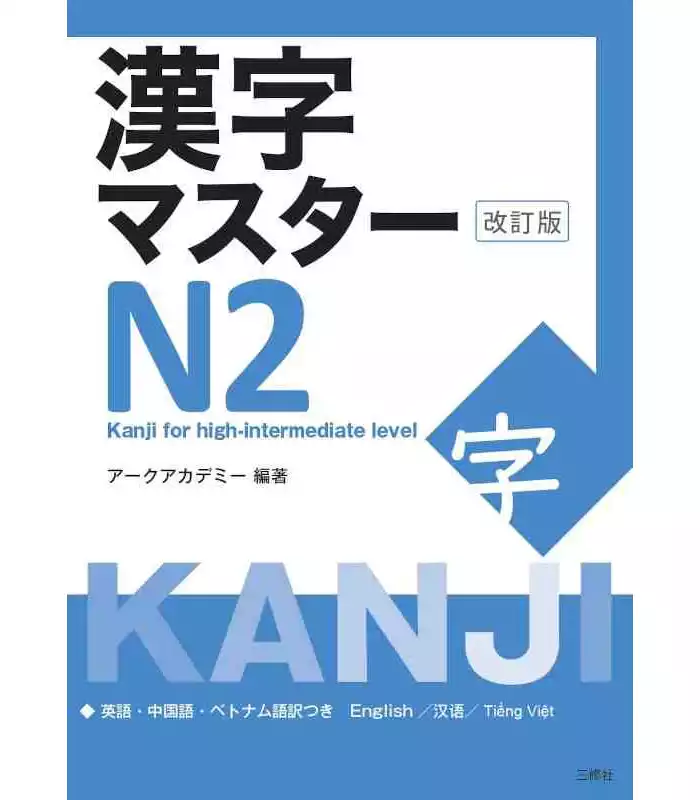
This textbook divides content into a foundational tier (300 characters) plus an advanced tier (239 characters), totaling 539 kanji entries. Material classifies by themes such as personal life, education, community, governance with advancing difficulty progression. This N2 kanji book proves especially useful for learners seeking thematic organization.
Nihongo Sōmatome N2 Kanji
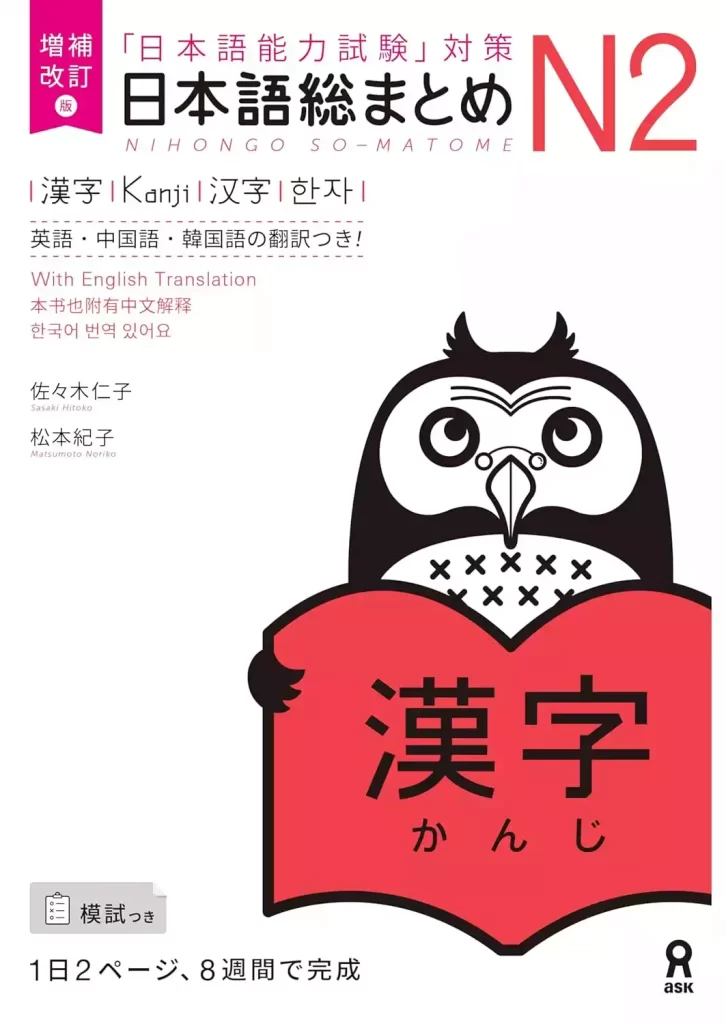
Drawing from a 1.2-million-copy series, this dedicated workbook targets JLPT N2 preparation directly. The expanded current version incorporates color gradients for visual clarity, simulated exam sections, seventh-day review reinforcement, and a companion reference for pronunciation verification.. Bilingual English-Vietnamese support, illustration-enriched narratives, and JLPT N2 kanji practice modeled precisely on official tests make it exam-aligned.
Speed Master N2 Kanji
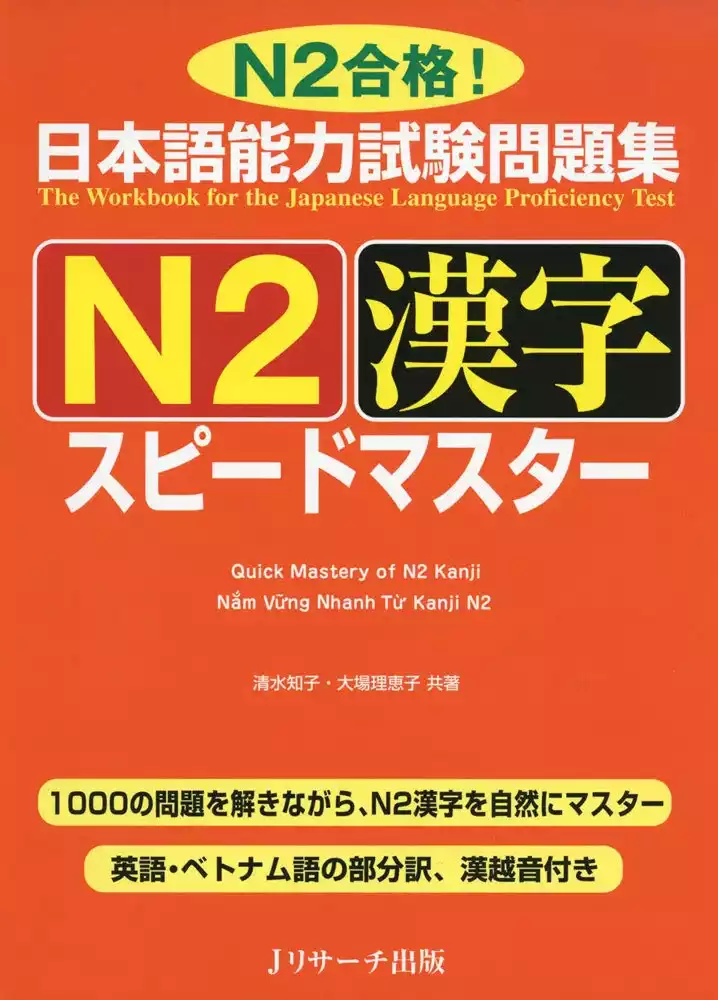
This intensive guide covers roughly 400 characters plus 1,000+ paired compounds, organizing information by subject through visual associations boosting retention. Embedded drill exercises and cumulative review guarantee retention patterns. Non-CJK-background learners benefit from core semantic translations (English) plus phonetic Vietnamese mappings, plus N3–N5 reference verification for foundation-checking.
Shin Kanzen Master N2 Kanji
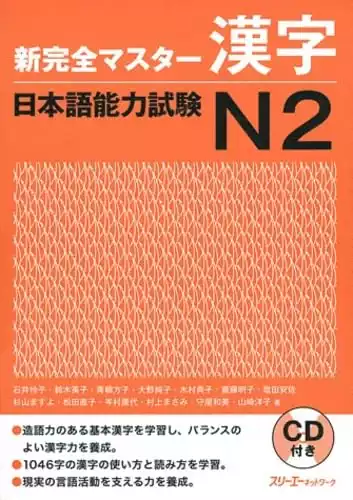
The Shin Kanzen Master suite offers comprehensive N2 modules, including dedicated kanji N2 instruction. Contains 1,046 characters, roughly 50% of regularly-used characters, furnishing abundant recognition capability on exam day. Entries pair meanings with derivative vocabulary and reinforcement exercises. Audio CD components build supplementary listening competence.
See also our selection of books for JLPT N2 preparation.
Accelerate progress through online japanese tutoring

While textbooks and flashcards build solid foundations, working with a live instructor fundamentally accelerates your N2 kanji mastery. A qualified tutor personalizes your JLPT N2 study plan to your specific obstacles, explains nuanced readings and contextual uses, and adjusts pacing to match your absorption rate.
At Nihongo Online School, our JLPT N2 preparation course combines everything above into a structured program. You receive comprehensive instruction, live tutor support, personalized feedback on your progress, and strategic guidance aligned with official exam format. Our instructors have guided hundreds of students through N2 preparation, we know which characters trip up learners and which resources deliver results.
Start your personalized JLPT N2 preparation with Nihongo Online School