
 English
  Español

Tips for More Effective Studying
Nihongo Online School > Tips for More Effective Studying > How to study abroad in Japan (master guide 2026/2027)
How to study abroad in Japan (master guide 2026/2027)
2024/10/13

Director: Kotaro Muramoto
Principal of Nihongo Online School
In September 2019, he founded "Nihongo Online School". Since then, has been teaching Japanese online lessons, with a total of over 1,000 students.
He has designed an individualized curriculum based on student’s needs and study goal. And is conscious of making the classes speech-centered in order to improve students’ speaking skills.
The school asks students to submit homework assignments worth 2 hours per lesson to improve faster. By supporting students with these features, students are able to efficiently improve Japanese language skills.
Whether you’re a high school student, a recent graduate, or an adult looking for a fresh start, this complete guide on how to study abroad in Japan covers every option available.
No matter your profile or budget, you’ll find everything you need here to plan your academic journey to Japan, step by step.
Contents
- 1 Study abroad in Japan : programs & options available
- 2 Top Japanese cities as an international student
- 3 Requirements to study abroad in Japan
- 3.1 Citizenship
- 3.2 Age limit for student visa application
- 3.3 Valid passport
- 3.4 Student visa application form
- 3.5 ID photos for student visa
- 3.6 Academic certificates
- 3.7 Certificate of Eligibility (CoE)
- 3.8 Bank statement and other financial proofs
- 3.9 Basic Japanese level
- 3.10 Purpose of study materials
- 3.11 Proof of accommodation (conditional)
- 4 Exceptional cases when applying for a student visa
- 5 Student Visa procedure & timeline
- 6 Get a partial or 100% scholarship in Japan
- 7 Supporting agencies for study abroad in Japan
- 8 Cost of living for students : Tokyo vs Osaka
- 9 Part-time jobs opportunities for students : Tokyo vs Osaka
- 10 Employment perspective after studying in Japan
- 11 Was it worth it to study in Japan? Our team’s testimonials

Study abroad in Japan : programs & options available
High School Exchange Program
A cultural and academic immersion program for high school students, typically paired with a homestay with a Japanese family. Programs vary significantly in focus : language learning, arts, sports, or cultural exchange. For school-to-school exchanges, official organizations such as JNTO coordinate matching between visiting and host schools.
Duration : A few weeks to a full school year
Profile : Students in 10th-11th grade with an interest in Japan
Age range : 15-18
University Students
University Exchange Program
You remain enrolled at your home university while spending a semester, a year, or a summer studying in Japan. Credit transfers and tuition arrangements are often handled between the two institutions, making the process smoother. Note that most programs require a nomination from your home university’s international office.
Duration : Semester, full year, or summer
Profile : University students looking for an international experience
Age limit : 18 years old minimum
Direct Enrollment
You apply directly to a Japanese university or junior college and fully integrate into the Japanese higher education system, graduating with an official Japanese degree. Many universities offer a pre-arrival admission system, meaning you can apply and receive acceptance from your home country without traveling to Japan for entrance exams. Whether you want to study in Japan full-time for two years or four, direct enrollment gives you the deepest academic integration possible.
Duration : 2-4 years
Recommended profile : Students seeking a full Japanese degree
Age limit : 18 years old minimum
University Graduates
Graduate School Master’s Program
A 2-year postgraduate program requiring a completed bachelor’s degree. Increasingly available in English at major universities (Tokyo, Kyoto, Waseda, Keio, Osaka, and others). A key step is finding a thesis advisor before applying, some schools require their approval prior to submission.
Duration : 2 years
Profile : University graduates with a clear research focus
Age limit : 22 years old minimum
Graduate School Doctoral Program (PhD)

A research-intensive program requiring a Master’s degree, or a bachelor’s degree for those entering a 5-year combined track. Finding a thesis advisor early is critical. The supervisor relationship in Japan is particularly hierarchical, closer to a master-disciple dynamic than in Western academia.
Duration : 3-5 years
Profile : Master’s graduates with a research focus
Age limit : 24 years old minimum
Adults outside of a traditional academic path
Japanese Language Schools

For adults who want to study Japanese in Japan without enrolling in a degree program, language schools are the most flexible option available. Beginners are welcome, as long as they can demonstrate a foundational level of Japanese (the equivalent of N5), along with other requirements such as financial stability.
Programs range from short intensive courses to full 2-year curricula. Over 600 institutes are available across Japan, concentrated in Tokyo, Osaka, Kyoto, and other major cities.
Duration : A few weeks to 2 years
Profile : Adults looking to learn Japanese outside a formal academic path
Age limit : 18+ for student visa eligibility
Vocational schools

Specialized Training Colleges offering practical, career-oriented training. Graduates receive a Diploma (2 years) or Advanced Diploma (4 years). The former allows transfer to a university, the latter to a graduate school. Over 2,700 institutions exist across Japan.
Duration : 1 to 4 years depending on the field
Profile : Adults with a clear career goal in Japan
Age limit : 18 years old minimum
Top Japanese cities as an international student
Tokyo vs Osaka : Student Life Comparison
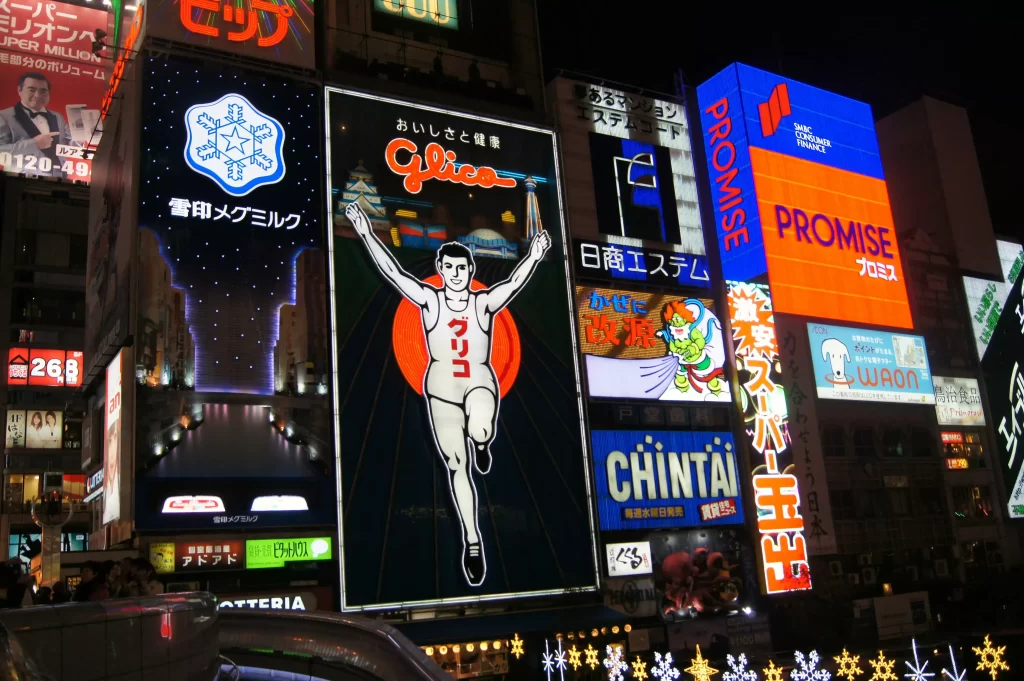
Tokyo and Osaka are Japan’s two biggest student destinations, but they represent fundamentally different experiences. Tokyo vs Osaka : here’s our student life comparison to help you choose.
| Tokyo 🗼 | Osaka 🏮 | |
| International students | 95,312 (#1 in Japan) | 29,465 (#2 in Japan) |
| QS Best Student Cities 2026 | #2 worldwide | #62 worldwide |
| Vibe | Hustle culture, ambitious, relentless energy | Laid-back, gritty charm, social by default |
| Locals | Reserved, busy, friendly but no time | Warm, chatty, known for humor and directness |
| Average rent (1BR) | ~¥91,000/month | ~¥61,000/month |
| English availability | Very high, easy to avoid Japanese entirely | Moderate, more immersion by default |
| University options | UTokyo, Waseda, Keio, TUJ… | Osaka University, Kansai University, Kindai… |
| Part-time jobs | Most opportunities in Japan | Strong market, especially retail & hospitality |
| Access to other cities | 1h30 to Kyoto, 2h30 to Osaka by Shinkansen | 15min to Kobe, 30min to Kyoto, 1h to Nara |
| Nature access | Essentially none, concrete in every direction | Also limited, sprawling and industrial |
| Best for | Career-focused, self-motivated, city lovers | Social students, budget-conscious, Kansai explorers |
Source : https://www.qs.com/insights/best-student-cities
Others cities to consider
Kyoto
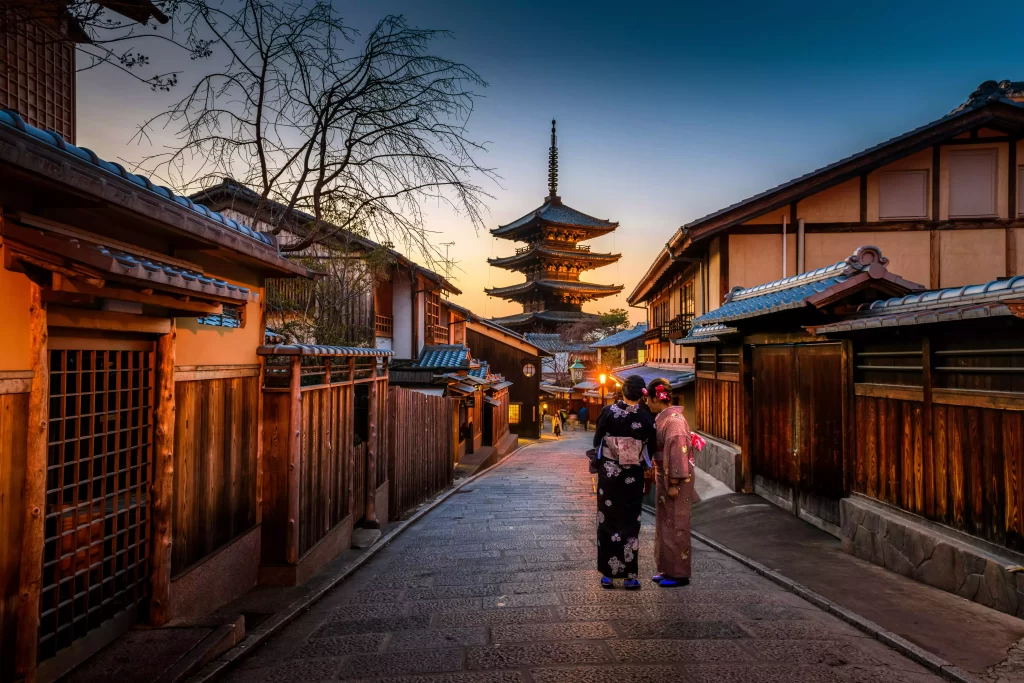
Even if Kyoto is heavily touristic, residential neighborhoods are quiet and easy to escape into. The city is bike-friendly and flat, and Osaka is only a train ride away when you need a change of scene. The Kansai dialect gives you a different linguistic experience, and the cultural immersion is genuinely unmatched.
Average rent : ~¥57,000/month
Best for : culture and history lovers, traditional Japanese immersion
Fukuoka

Compact, affordable and consistently praised for its quality of life, Fukuoka punches well above its weight. The food culture is legendary and the city is small enough to feel manageable without feeling like you’re missing out. A growing startup and tech scene makes it increasingly attractive for students interested in entrepreneurship.
Average rent : ~¥48,000/month
Best for : Budget-conscious students
Sapporo
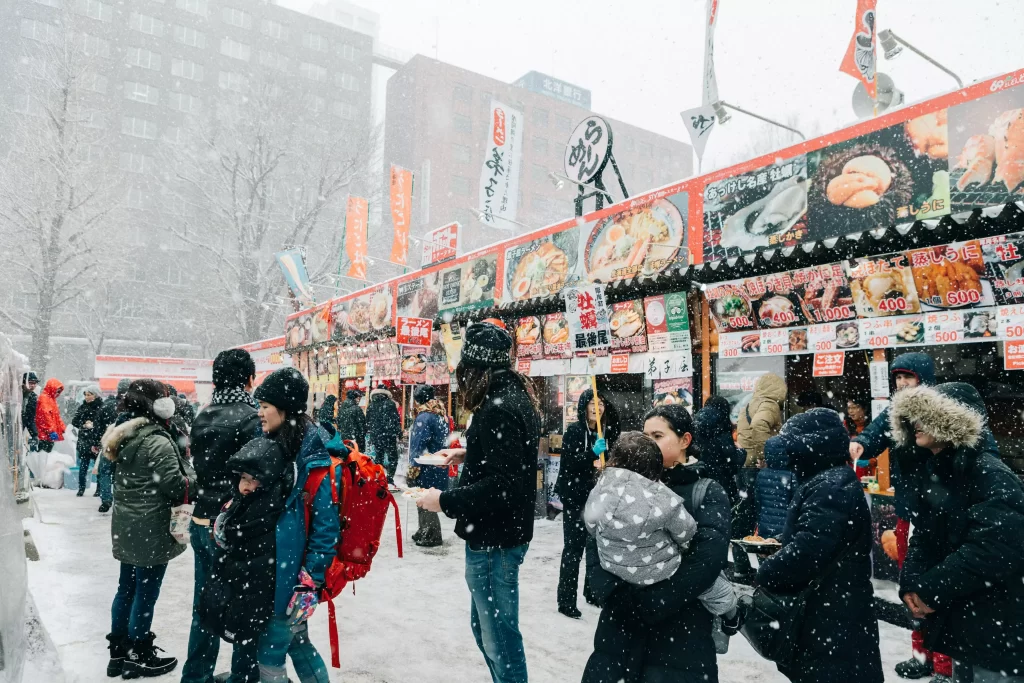
The city is clean, peaceful, and surprisingly well-equipped, good food scene, decent public transport, and easy access to mountains, ski resorts, and nature in every direction. For students who want to make real language progress without the overwhelm of Tokyo, Sapporo is one of the most underrated options on the list.
Average rent : ~¥44,000/month
Best for : nature lovers, serious Japanese students who thrive in quieter environments.
Nagoya
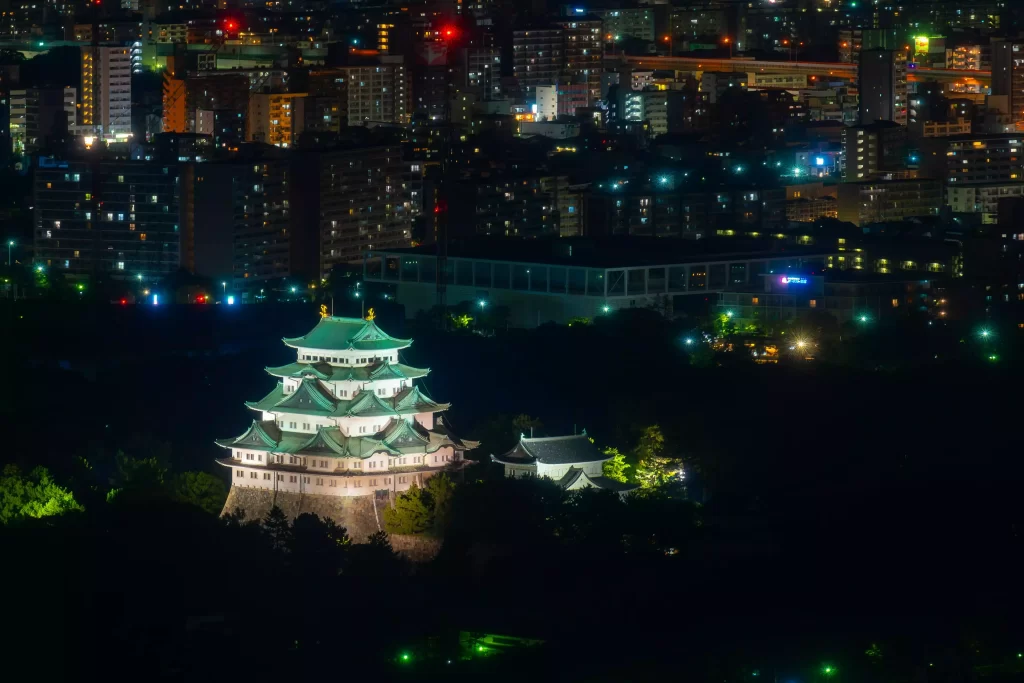
Sitting exactly between Tokyo and Osaka, Nagoya is Japan’s fourth-largest city. It’s home to Toyota, Mitsubishi, and a strong industrial ecosystem, making it a logical choice for engineering and business students. Its lower international student density also means stronger Japanese immersion by default.
Average rent : ~¥55,000/month
Best for : engineering and business students
Source : https://www.topuniversities.com/city-rankings?countries=India&sort_by=rank&order_by=asc
Requirements to study abroad in Japan
Citizenship
Japan welcomes students from all nationalities. If you come from Asia, Europe or North America, you are among the most represented groups and your application process will generally be smooth, as long as you meet the requirements.
How to go to Japan for study as a foreigner follows the same fundamental process regardless of your nationality.
| Region | Students | Share |
| Asia | 311,566 | 92.5% |
| Europe | 13,312 | 4.0% |
| North America | 4,516 | 1.3% |
| Africa | 2,714 | 0.8% |
| Latin America | 2,452 | 0.7% |
| Middle East | 1,333 | 0.4% |
| Oceania | 781 | 0.2% |
| Total | 336,078 | 100% |
Source: International Student Survey 2024
Age limit for student visa application
The minimum age to apply for a Japan student visa is 18, in line with the 12-year schooling requirement. There is no official upper limit, but applicants over 30 should expect additional scrutiny, extra documentation or an interview may be required.
Age policies also vary by institution: language schools are the most flexible, universities and specialized programs the most restrictive.
For a full breakdown, see this guide on student visa Japan age limit.
Valid passport
Your passport must be valid for the entire duration of your stay. When submitting your application, you will need to include a copy of your photo page and all pages that show previous Japan entry stamps.
Student visa application form
You will need to obtain the visa application form directly from your local Japanese embassy or consulate. Fill it out completely and make sure every detail matches any previous visa applications you may have submitted. Any inconsistency between past and current applications is one of the most common reasons for rejection.
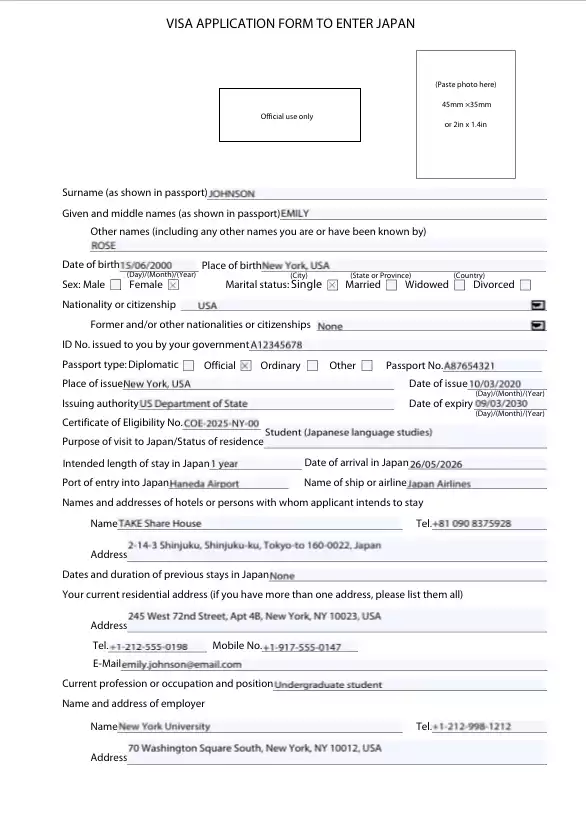
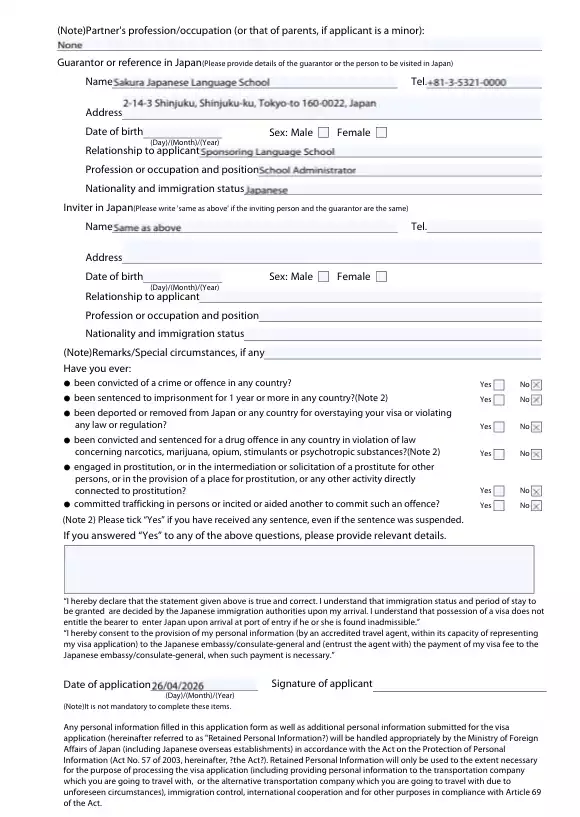
→ Official Student visa application form for US Citizen : https://www.mofa.go.jp/files/000124525.pdf
→ Find your nearest Japanese embassy or consulate: mofa.go.jp – Embassy locator
ID photos for student visa
For your Japan student visa, a photo that meets those requirements will be needed.
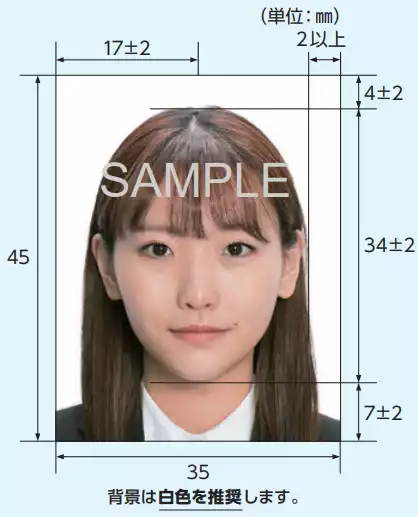
- Size: 4 cm × 3 cm
- Plain white background, face clearly visible, no accessories
- Taken within the last 3 months
One photo is typically required for the visa application form. Some schools will ask for up to 6 copies for their own enrollment files.
Source : https://www.mofa.go.jp/mofaj/files/100171389.pdf
Academic certificates
You will need to submit a copy of your highest completed diploma or degree. If you are still enrolled in school at the time of application, a graduation letter or official proof of enrollment is accepted instead.
To be eligible for any Japanese school, you must have completed at least 12 years of formal education. If you have not reached that threshold, you will be required to complete a preparatory education course in Japan before you can enroll in a regular program. For graduate school, a bachelor’s degree is mandatory.
Certificate of Eligibility (CoE)
The Certificate of Eligibility is an official document issued by Japan’s Immigration Services Agency (ISA). It certifies that your planned stay in Japan complies with Japanese immigration law. It is the most important document in your application.
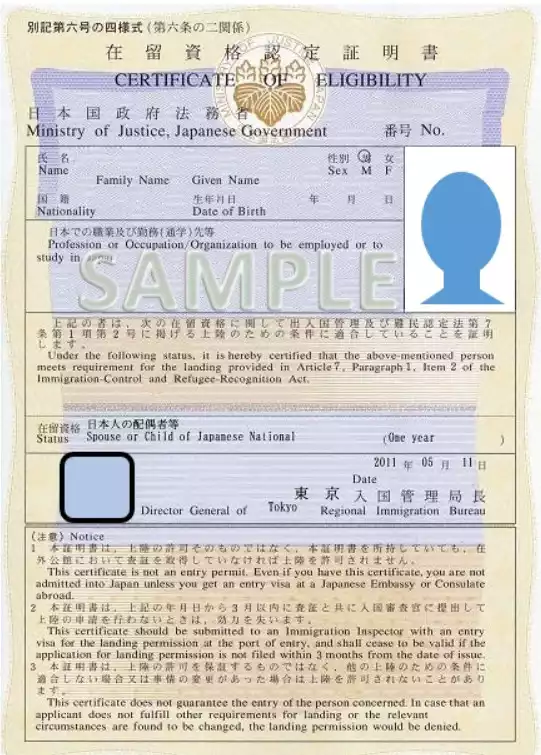
You cannot apply for the CoE yourself. Your school in Japan applies on your behalf to the regional immigration office. Once you submit your documents to the school, they prepare and file the CoE application with the ISA. If approved, the CoE is sent to your school, who then forwards it to you. You take it to the Japanese embassy in your country, where it is exchanged for your actual student visa.
Bank statement and other financial proofs
To apply for a Japan student visa, you’ll need to meet the following financial requirements:
- A bank statement showing a minimum balance of ¥1,200,000 for 6 months of study
- The most recent tax declaration from you or your sponsor
- Your sponsor’s employment certificate
- Proof of your relationship with your sponsor
- If your sponsor is self-employed: a business registration certificate instead of the employment certificate
Your sponsor’s annual income must be at least ¥2,000,000. If one sponsor cannot meet this alone, some schools accept two co-sponsors who together fulfill the requirement. You can also self-sponsor if your own finances meet the criteria independently.
Basic Japanese level
30% of international students in Japan enroll in a private Japanese language school.
From 2026, many of these schools require applicants to show an official Japanese language certificate such as the JLPT N5, or to pass an interview they conduct themselves, before accepting an application.
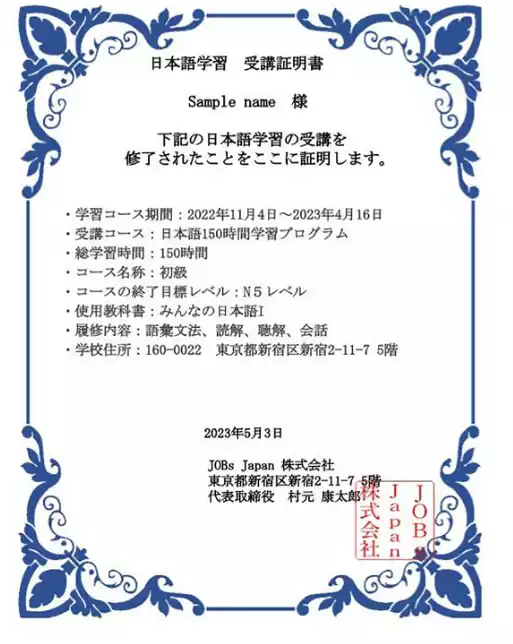
Among our students at Nihongo Online School, many enroll specifically to reach the JLPT N5 level required for their school application.
Our 150-hour Foundation Program combines a structured, JLPT N5-oriented curriculum with conversation-focused lessons, preparing future applicants for the exam, the school interview, or both, within a realistic timeframe.
Throughout the program, JLPT-style mock exams give students a clear picture of their level, so nothing is left to chance on the exam day. Upon completion, students receive a Certificate of Completion documenting their Japanese language study.
Japanese language requirements for school applicants have become more demanding recently, but our program focuses on the essentials, so students maximize their chances of reaching the level their school expects without wasting time.
See our students’ testimonials below:

“I chose Nihongo Online School because I needed to fulfill the Japanese level requirement to apply to a language school in Japan, and I liked that classes were individual so I could get focused instruction. The pacing was adjusted to my learning, the materials were great, and my teacher was patient and constructive. I’d recommend it to anyone in the same situation.”

“I found Nihongo Online School online while looking for an effective and quick way to meet the Japanese level requirement before applying to study in Japan. It ticked all the boxes: more affordable than local courses, fully online so I could plan around my schedule, and one-on-one with a Japanese teacher.”

“When I decided to apply to Kudan Japanese Language School, I quickly found out they required a Basic Japanese level for admission. That’s when I started looking for an online school and came across Nihongo Online School. The quality of education is very high, and the staff are extremely polite and always willing to help. The level was just right and everything was easy to follow.“
Purpose of study materials
Your purpose of study essay in Japan needs to answer three questions clearly :
- why Japan
- why this specific program
- what you plan to do after
A well-written statement of purpose for Japan names specific professors, references concrete research questions, and connects academic goals to a realistic career pathway.
Proof of accommodation (conditional)
Some schools and embassies will ask you to confirm where you plan to live during your stay. A school dormitory booking, a signed lease, or a host family letter are all valid.
If your school arranges housing on your behalf, they will typically include this document directly in your CoE dossier, in which case you will not need to source it yourself.
Exceptional cases when applying for a student visa
Study abroad after a gap year in Japan
A gap year in Japan, in your education doesn’t disqualify you, but immigration officers will look closely at what you did during that time and whether your motivation to study is genuine. The longer the gap, the stronger your justification needs to be :
- Under 1 year : generally easy to justify with basic documentation
- 1-3 years : proof of productive activity required
- 3+ years : a compelling narrative plus evidence that your academic readiness is intact
Applying after a first student visa rejection
Getting rejected is frustrating, but it’s recoverable.
Japanese immigration enforces a strict 6-month waiting period before any reapplication, and submitting earlier leads to automatic rejection.
Use that time to identify what went wrong. The most common japan student visa rejection reasons include weak financial documentation, a vague study purpose statement, and inconsistencies between submitted documents. You need to address those points before you reapply for your Japan visa after rejection, immigration keeps detailed records and will compare both files side by side.
Applying for a student visa extension in Japan
If your studies take longer than planned, extending your visa is straightforward. There is no legal limit on renewals as long as you continue making genuine academic progress.
The two conditions immigration officers focus on most are attendance and financial stability. Apply up to 3 months before your visa expires, submitting before expiry automatically grants a 2-month provisional extension while your application is processed.
For documents, eligibility conditions, and what happens if your extension gets denied, see our complete guide on student visa extension in Japan.
Student Visa procedure & timeline
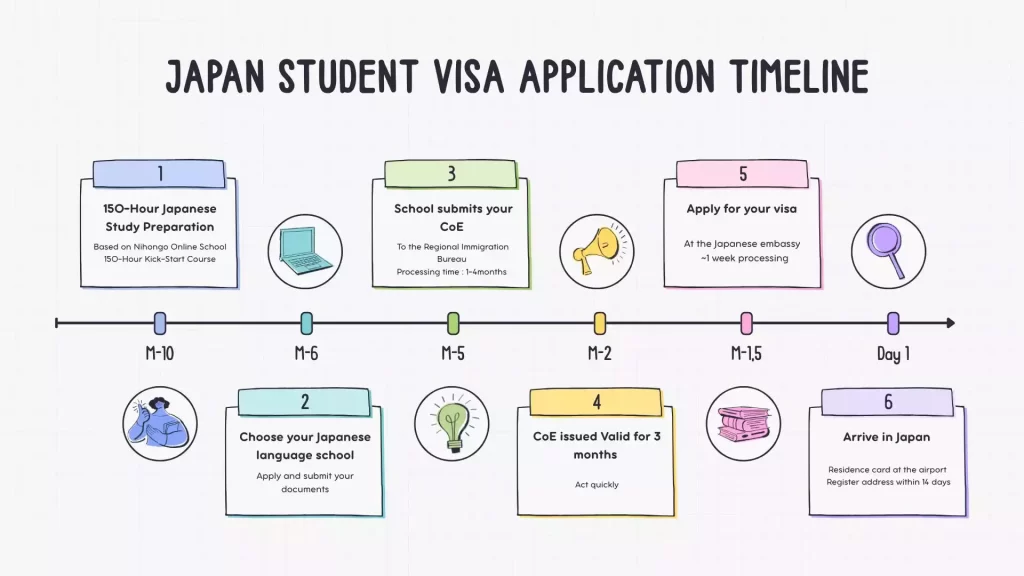
Student visas are issued four times a year, aligned with Japan’s academic intakes in January, April, July, and October. You can count 10 months of preparation if you are a complete beginner, including the 150 hours of Japanese study.
Get a partial or 100% scholarship in Japan
Scholarships are one of the most common concerns for anyone researching the real cost of studying abroad in Japan. For a full breakdown of eligibility and how to apply, check out our dedicated guides linked below.
| MEXT Scholarship | JASSO Scholarship | ADB Scholarship | |
| What’s covered | Tuition + round-trip airfare + monthly living stipend (¥117,000~¥242,000) | Monthly living stipend only (¥30,000~¥48,000) | Tuition + housing + travel + medical insurance + monthly allowance |
| Level | Undergrad to PhD | All levels (enrolled in Japan) | Master’s only |
| Age limit | Under 25 (undergrad) / Under 35 (grad) | No specific limit | Under 35 |
| Key requirements | GPA 2.30+, Student visa, diplomatic relations with Japan | GPA 2.30+, JLPT N2+, enrolled in Japan | 2+ years work experience, income under $25k/year |
| Competition | Below 5% acceptance | ~60% acceptance rate at some institutions | High |
| Who it’s for | Strong academic profiles at any level | Students already in Japan needing financial support | Mid-career professionals from developing Asian countries |
→ Not sure which one fits your profile? Read our guide: How to get a scholarship to study in Japan
Supporting agencies for study abroad in Japan
To make your experience easier, here are the study abroad agencies in Japan we recommend for adults and high schoolers.
Go! Go! Nihon

Founded in 2009, Go! Go! Nihon is one of the most reputable study abroad organizations for Japan, having helped over 17,000 students across 7 languages. Beyond school selection, they handle the full administrative chain, all centralized on their in-house platform.
Pros
- Completely free placement service
- End-to-end support: school selection, visa, housing, pre-arrival logistics
- Strong francophone team
- Intuitive platform that centralizes all documents and communication
Cons
- Only works with partner schools
- Your real visa sponsor is the school, their legal role is more limited than it appears
- Some users were assigned multiple different advisors throughout the process
→ Who it’s for: First-timers who want their hand held through the process, especially French speakers.
Koko Japan
Koko Japan is a fast-growing study abroad agency that has helped over 650 students enroll in Japanese language schools across 23 partner institutions. Their service covers the full process with a notable differentiator: a Latin American-based team offering real-time support in Spanish and English, minimizing time zone friction for students from the Americas.
Pros
- Completely free placement service
- Strong community aspect
- Latin America-based team, faster response times
- Support continues after arrival in Japan
Cons
- Only English and Spanish support
- Smaller partner school network
→ Who it’s for: First-timers who want a personalized experience and a strong student community. Particularly well-suited to Spanish speakers, but accessible to any English speaker too.
EF Study Abroad Programs for High Schoolers
EF is not a placement agency but a global education operator that sells all-inclusive language packages. EF handles everything in-house : the school, the accommodation, the activities. Their Japan program is based in Tokyo’s Shibuya district and targets a wide age range.
Pros
- Fully managed all-inclusive package
- Wide age range covered, including supervised programs for minors (12-16)
- Internationally accredited programs with certificates
- Rich activity schedule managed by on-site staff
Cons
- Significantly more expensive than agency-based options
- Tokyo only, no flexibility on city or school
- All-inclusive format leaves little room to customize your experience
→ Who it’s for: Students who want a fully managed, risk-free experience, especially younger students/high schoolers (12-18) or adults who prefer a turnkey package.
Cost of living for students : Tokyo vs Osaka
Japan is generally more affordable than people expect, but the cost of studying in Japan varies a lot depending on the city. Here’s a realistic cost of living comparison between Tokyo and Osaka, the two most popular study destinations for international students.
| Tokyo 🗼 | Osaka 🏮 | |
| Rent (Sharehouse) | ¥60,000~¥85,000 | ¥45,000~¥65,000 |
| Food & groceries | ¥35,000~¥50,000 | ¥30,000~¥45,000 |
| Utilities | ¥10,000~¥18,000 | ¥8,000~¥16,000 |
| Transport | ¥6,500~¥10,000 | ¥5,000~¥8,000 |
| Phone & internet | ¥4,000~¥6,000 | ¥4,000~¥6,000 |
| Leisure & misc. | ¥15,000~¥25,000 | ¥12,000~¥20,000 |
| Estimated total/month | ¥130,000~¥194,000 | ¥104,000~¥160,000 |
Tokyo runs roughly 20-30% more expensive than Osaka across the board, mostly driven by rent. Both cities are very liveable on a student budget, especially if you opt for a sharehouse over a private apartment — which also significantly reduces move-in costs
Source : Lifestyle Survey of Privately Financed International Students, 2023 (JASSO)
Part-time jobs opportunities for students : Tokyo vs Osaka

About 65% of international students study and work part-time in Japan, earning on average ¥81,000/month. Both Tokyo and Osaka offer part time jobs opportunities, but with some differences worth knowing.
| Tokyo🗼 | Osaka🏮 | |
| Minimum wage | ¥1,200~¥1,250/hr | ¥1,100~¥1,200/hr |
| Job availability | Very high, more options overall | Good, but more competitive in some sectors |
| English-only jobs | More accessible (tourism, English teaching) | Possible but harder to find |
| Most common jobs | Konbini, restaurant, English teaching | Konbini, restaurant, izakaya, hotel |
| Estimated monthly earnings (20-25hrs/week) | ¥80,000~¥120,000 | ¥70,000~¥110,000 |
Working too many hours and neglecting attendance is one of the main reasons students lose their student visa. Prioritize your studies first.
Employment perspective after studying in Japan
Studying Japanese in Japan opens real career doors. Here are the main options depending on your profile.
- VIE Program (French nationals, 18~28) : A 6 to 24-month professional mission within a French company in Japan, with a tax-free allowance.
- Internships : Available via your school’s career center, job platforms, or government programs. A solid stepping stone before committing to a full-time position in Japan.
- Freelancing : The most common path is to get hired full-time first, then transition to freelancing within the same field. Self-sponsorship is possible.
- Full-time position : Requires an Engineer/Humanities/International Services visa, a bachelor’s degree, and at least JLPT N2. Strongest demand for internationals is in IT, engineering, international trade, and marketing.
Was it worth it to study in Japan? Our team’s testimonials
Every study abroad in Japan experience is different. Discover our Nihongo Online School team members’ stories, each of them followed a different study path in Japan before settling there.
Maximiliano’s testimonial

2-year program at ISI Language School, Shibuya Campus
- Level before: Beginner
- Level after: JLPT N3 (functional N2)
- Outcome: Full-time Digital Marketing Specialist at a Japanese company with a work visa
“I moved from Chile to Tokyo in July 2022 with a Business degree and zero Japanese, with the goal of building a career in Japan. Studying in Japan was worth it, it helped me gradually improve my language skills and land a freelance copywriting role at Nihongo Online School to gain Japan-based experience. After graduation, I found a full-time position as a digital marketing specialist requiring Spanish, English, and Japanese N3. After several interviews including one entirely in Japanese, I got the offer and was given a full-time contract with a work visa. What made the difference wasn’t just Japanese, it was being multilingual and showing companies I could bridge markets they couldn’t reach on their own.”
Julie’s testimonial

3-month intensive course at ISI Language School, Ikebukuro Campus
- Level before the course : JLPT N3/N2
- Level after the course : JLPT N2
- Outcome: Landed a VIE position in Marketing, then a full-time Digital Marketing position at a French company in Japan.
“I enrolled in a 3-month intensive program at ISI Language School to prepare for the JLPT N2 and maximize my career opportunities in Japan, with the goal of eventually settling here. My days were structured around 4 hours of classes followed by 4 hours of self-study. The school gave me the structure I needed to progress quickly, and that alone made studying in Japan worth it. Six months after graduating, I found a VIE position in Marketing requiring JLPT N2. Working within a fully local team immersed me directly in Japanese business culture and pushed my Japanese even further. I passed the JLPT N1 a few years later. I’ve now been working full-time and living in Japan for 7 years, and I have no plans to leave.”