
 English
  Español

Tips for More Effective Studying
Nihongo Online School > Tips for More Effective Studying
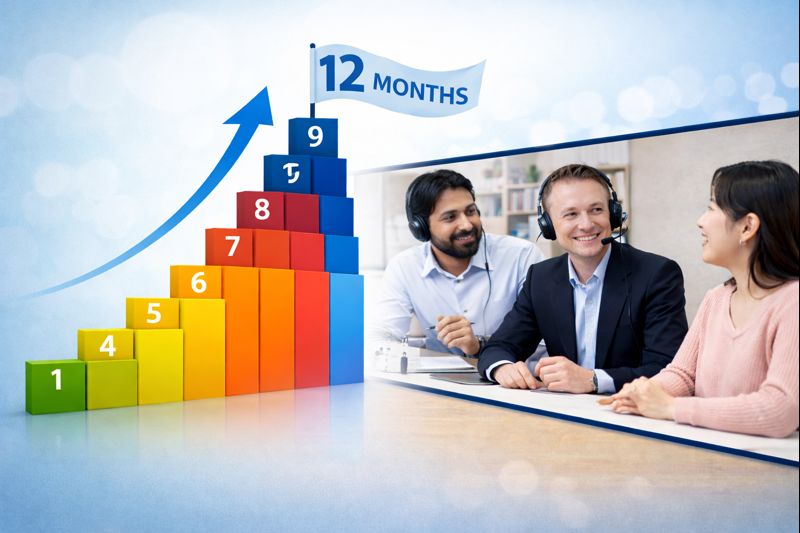
What Can You Actually Do in Japanese After 12 Months? A Realistic Guide for False Beginners
2026/01/17
After 6 months, many learners realize one thing: “I can manage daily conversations—but Japanese still feels difficult at work.” So the next natural question becomes: “What actually changes after 12 months of studying Japanese?” In this article, we give a realistic answer based on learning data from over 1,000 learners, measured with a 10-level conversation […] […]
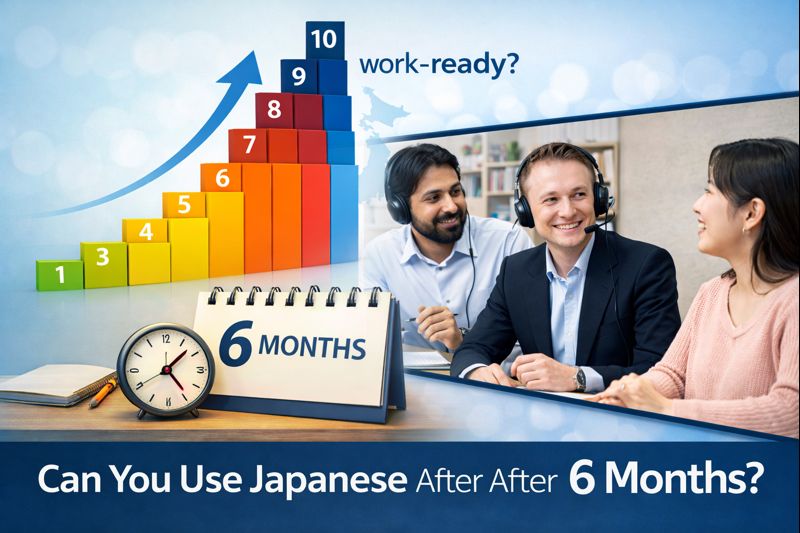
Can You Use Japanese at Work After 6 Months? A Realistic Answer for False Beginners
2026/01/17
Can you use Japanese at work after 6 months? If you’ve studied Japanese with apps or self-study, you’ve probably seen promises like “Business Japanese in 6 months.” It sounds hopeful—but also a little suspicious. This article gives a realistic answer based on real learning data from over 1,000 learners, measured with a 10-level conversation scale […] […]

What JLPT level do you need to work as an IT engineer in Japan?
2026/01/17
The JLPT level needed to work as an IT engineer in Japan depends on several factors. This article explains which JLPT levels are typically expected, when Japanese is optional, and how language skills influence both hiring and long-term career growth for IT engineers in Japan. Contents1 Can you work as an IT engineer without JLPT […] […]
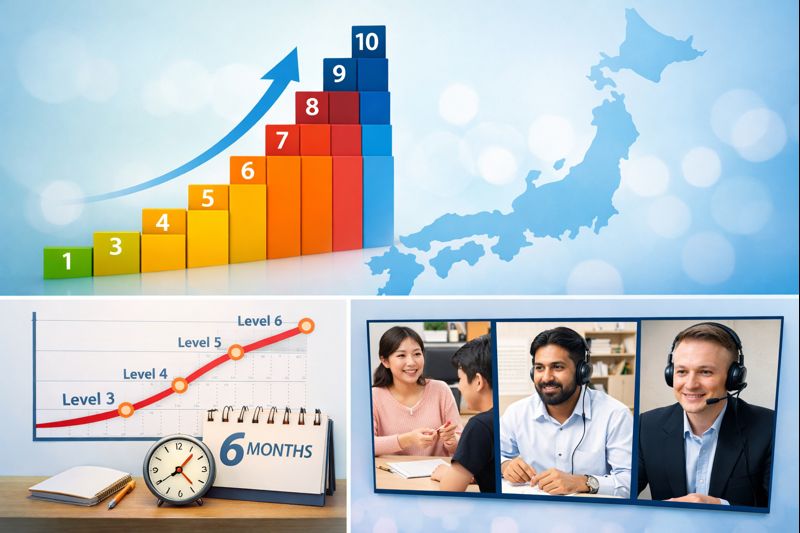
From Daily Conversation to Japanese for Work What Changes — and How Long It Takes
2026/01/17
Many Japanese learners ask the same question: “I study Japanese, but how long does it take to actually use it confidently—especially at work?” The honest answer is that conversation ability does not improve randomly. When measured correctly, progress follows a relatively predictable pattern. In this article, we explain what changes between daily conversation and Japanese […] […]
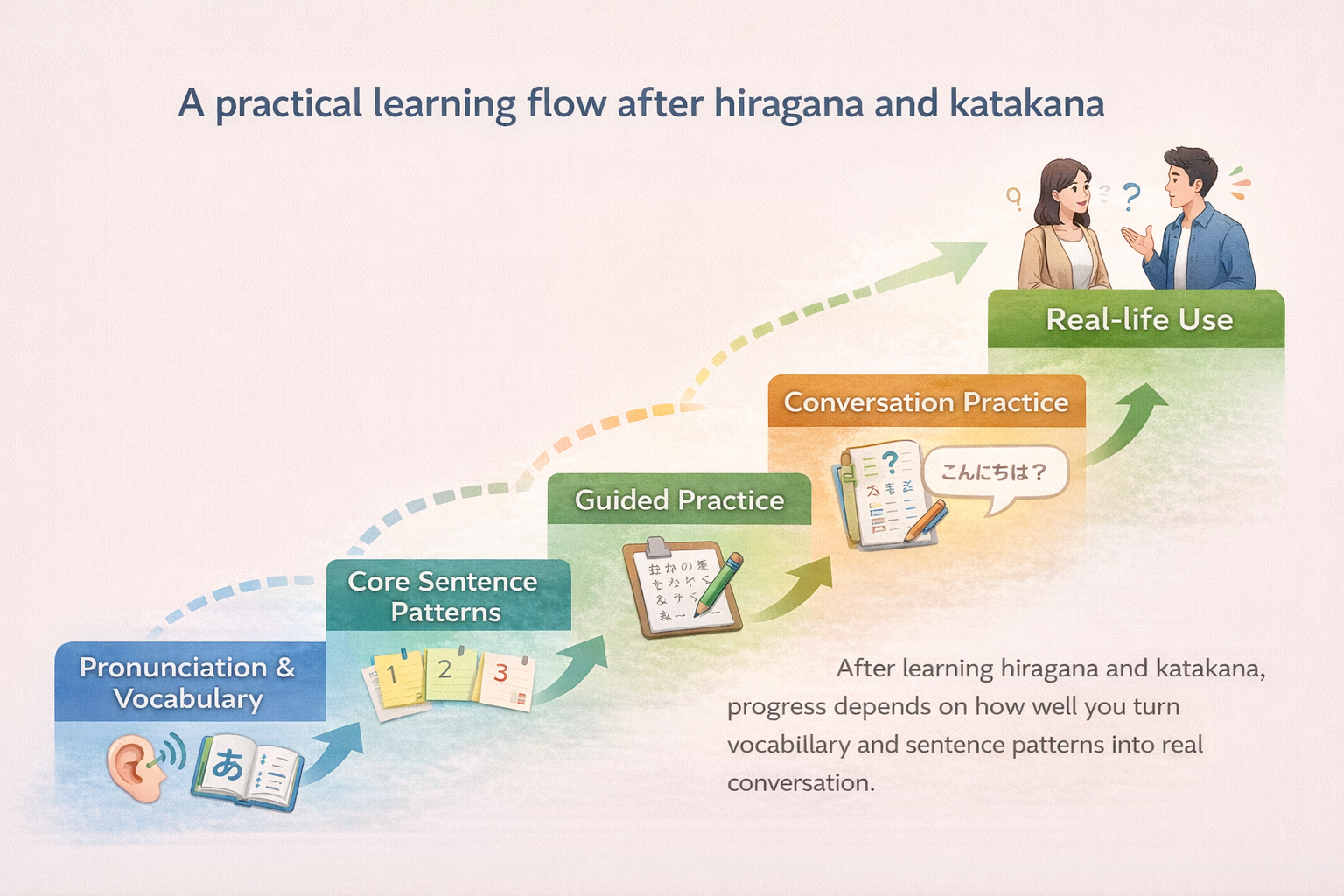
What’s the Next Step After Hiragana and Katakana?
2026/01/15
Contents1 What’s the Next Step After Hiragana and Katakana?1.0.1 You are not a beginner anymore — but you’re not fluent yet1.0.2 Why many learners get stuck after hiragana and katakana1.0.3 A practical learning flow after hiragana and katakana1.0.4 What you should focus on after hiragana and katakana1.0.5 What you should be able to do at […] […]
I Study Japanese with Apps but Can’t Speak — What’s Missing?
2026/01/15
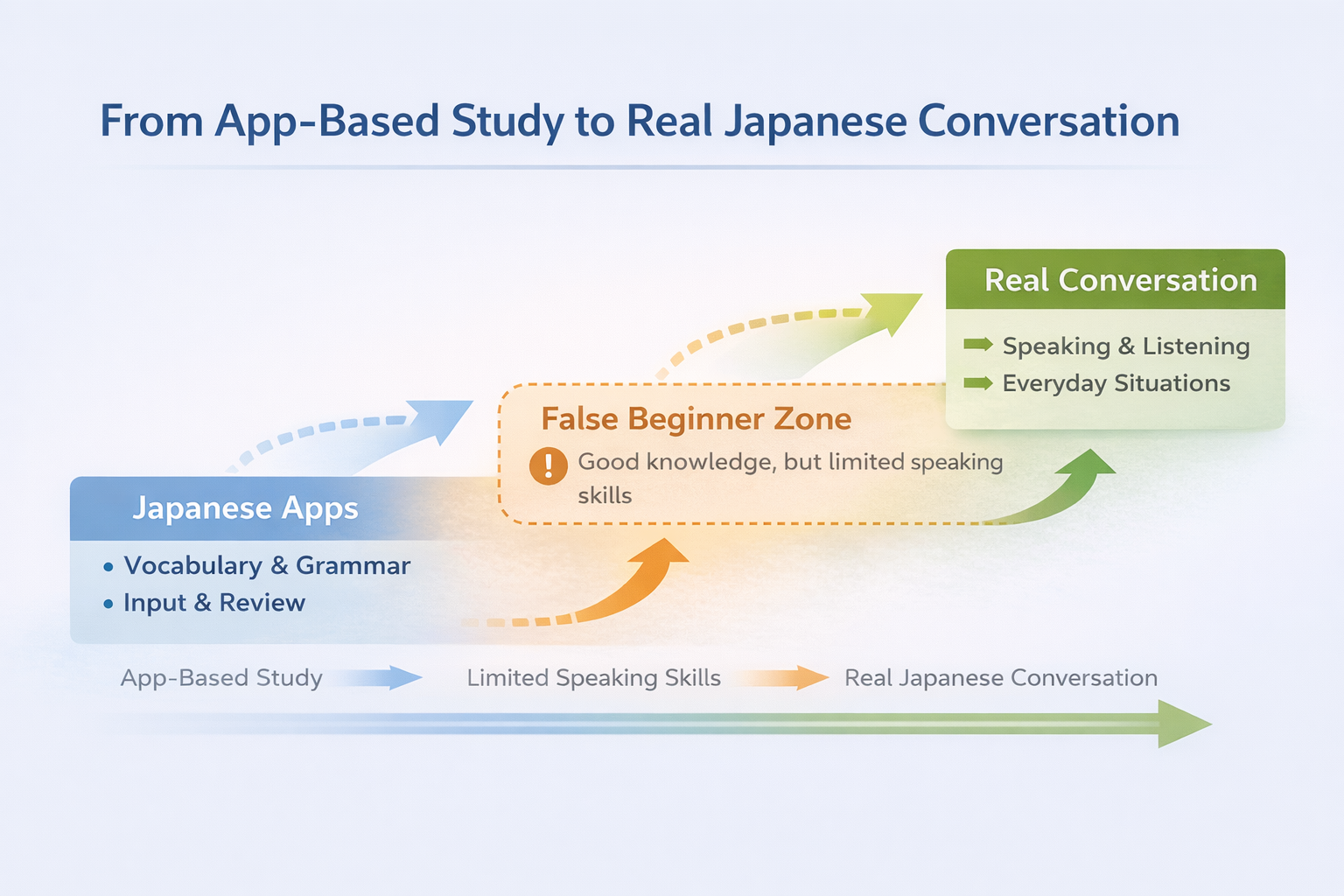
Contents1 I Study Japanese with Apps but Can’t Speak — What’s Missing?1.1 If this sounds familiar, you may be a false beginner1.2 Japanese learning apps are useful — but only for part of the journey1.3 Why you can’t speak yet: what’s missing from app-based study1.4 When app learning reaches its limit1.5 From app-based study to […] […]

How Many Study Hours Do You Need for Each JLPT Level?
2026/01/12
This article explains the estimated study time required to reach each JLPT level and what learners can realistically do in daily life or at work at each stage. For learners who want to communicate in Japanese, work at a Japanese company, or live in Japan in the future, understanding Japanese proficiency levels is essential. The […] […]
How many hours does it take to improve Japanese conversation skills?
2026/01/11
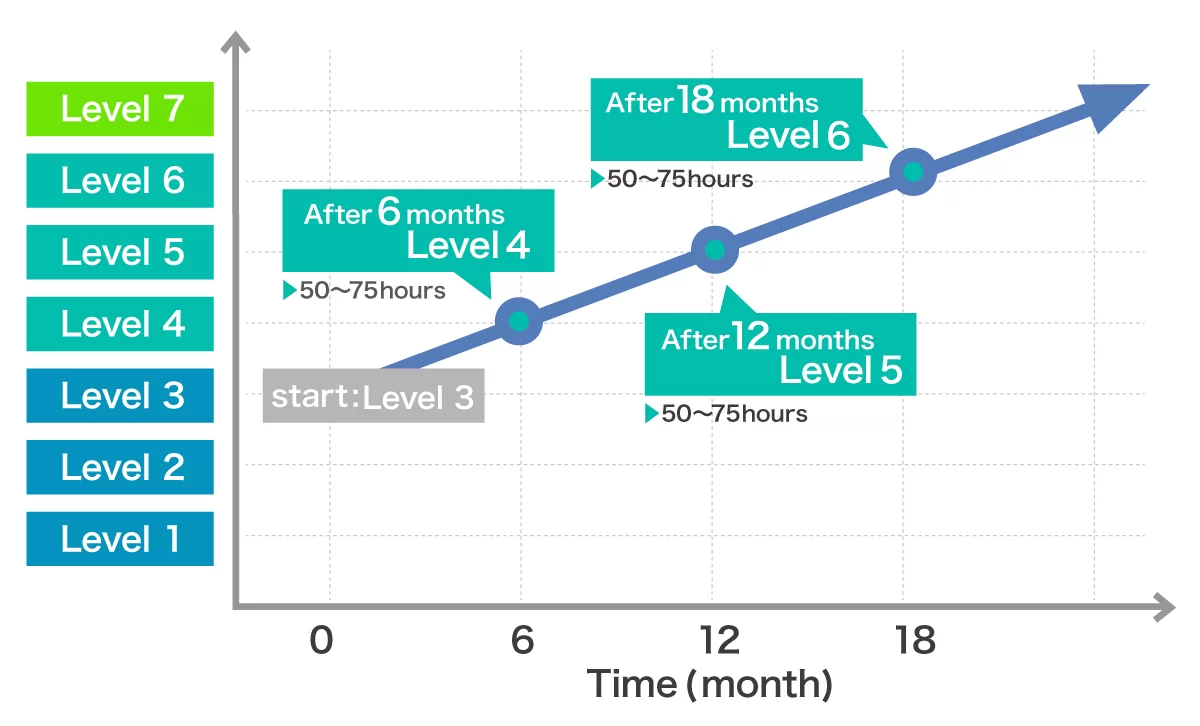
Many Japanese learners ask the same question: “How long does it take to actually speak Japanese?” The honest answer is that conversation ability does not improve randomly. When measured correctly, progress follows a relatively predictable pattern. In this article, we explain how long it typically takes to improve Japanese conversation skills based on real learning […] […]

Cheap vs Premium Online Japanese Lessons: Understanding the Real Cost of Learning
2026/01/11
When choosing online Japanese lessons, many learners focus almost exclusively on price. With so many options available today, from very affordable lessons to premium programs, it is natural to compare hourly rates and look for the best deal. However, learning a language is not a simple transaction. The real cost of learning Japanese is not […] […]
Cheap vs Premium Online Japanese Lessons: What Do You Actually Pay For?
2026/01/11
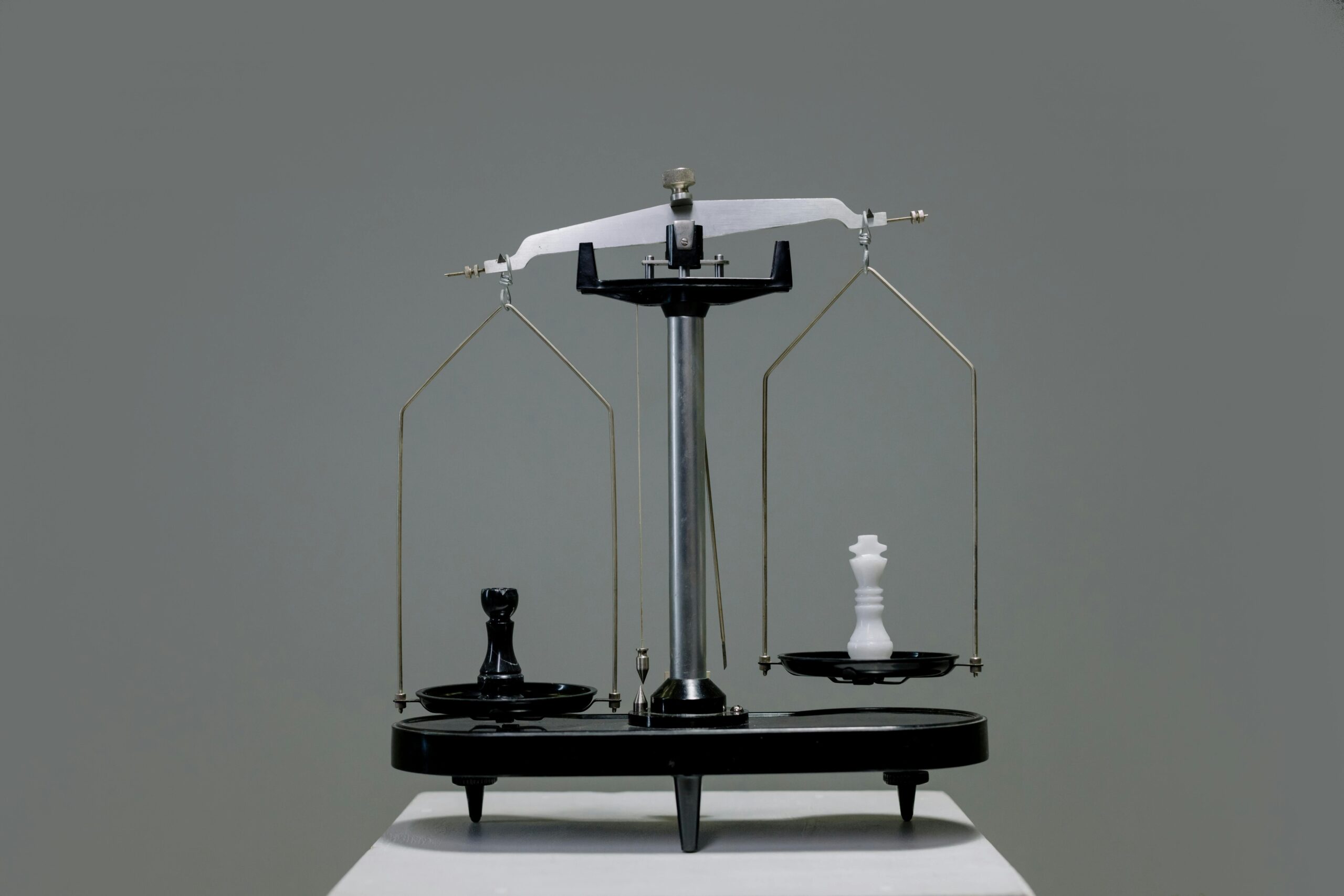
There are many online Japanese lessons available today, ranging from very affordable options to premium-priced programs. At first glance, the most obvious difference seems to be the hourly rate. However, price alone rarely tells the full story. When choosing between cheap and premium online Japanese lessons, what learners are really paying for goes far beyond […] […]

Best Japanese Learning Methods Depending on Your Goal
2026/01/11
Learning Japanese is not a one-size-fits-all process. What works extremely well for one learner may be inefficient or even frustrating for another. The most effective learning method depends largely on why you want to learn Japanese, how much time you can realistically dedicate, and how you personally process new information. Rather than asking “What is […] […]

Why JLPT Scores Don’t Guarantee You Can Speak Japanese
2026/01/11
Contents1 The Widespread Misunderstanding About JLPT and Speaking Ability1.1 JLPT Is Often Mistaken for a “Fluency Certificate”1.2 Why Learners Rely So Heavily on JLPT Levels1.3 The Gap Between Test Success and Real Communication1.4 Why This Misunderstanding Needs to Be Corrected2 What the JLPT Actually Measures: And What It Doesn’t2.1 A Test Focused on Input, Not […] […]
