
 English
  Español

Tips for More Effective Studying
Nihongo Online School > Tips for More Effective Studying > JLPT N5 vs N4 : Full Comparison Guide
JLPT N5 vs N4 : Full Comparison Guide

2026/05/25

Director: Kotaro Muramoto
Principal of Nihongo Online School
In September 2019, he founded "Nihongo Online School". Since then, has been teaching Japanese online lessons, with a total of over 1,000 students.
He has designed an individualized curriculum based on student’s needs and study goal. And is conscious of making the classes speech-centered in order to improve students’ speaking skills.
The school asks students to submit homework assignments worth 2 hours per lesson to improve faster. By supporting students with these features, students are able to efficiently improve Japanese language skills.
Whether you just passed JLPT N5 or are figuring out where to start, understanding the gap between JLPT N5 vs N4 is essential before committing to a study plan.
This guide covers every key difference in exam content, difficulty, textbooks, and how to choose the right level for where you are right now.
Contents

JLPT N5 vs N4 : Differences in Exam Content
The difference between N4 and N5 goes well beyond vocabulary counts. Each section of the exam gets harder in a distinct way.

Vocabulary
JLPT N5 covers around 800 words focused on everyday objects, basic actions and simple descriptions. It gives you enough to express basic needs and follow simple exchanges.
JLPT N4 raises that to approximately 1,500 words. Abstract concepts, opinions and workplace vocabulary start appearing, including words like 説明する or 経験 (experience).
Kanji
At N5, you need around 100 kanji covering numbers, time, family and directions. Characters typically carry one or two readings and appear in straightforward contexts.
N4 expands that to 300 kanji, nearly tripling your load. Characters now carry multiple readings depending on context.
Grammar
N5 grammar covers around 80 patterns including basic sentence structures, present and past tense, simple particles and polite forms. Sentences stay short and predictable.
N4 grammar introduces approximately 120 additional patterns, including four types of conditionals (と、ば、たら、なら), passive and causative voice, and more complex て-form combinations.
Listening
N5 listening runs at a slow, clear pace across two to four sentences on predictable topics. Questions tend to be straightforward, along the lines of “What time will they meet?”
N4 listening moves closer to natural speed, with conversations spanning four to eight sentences across two or three speakers. You need to infer context rather than rely on explicit statements. The pace increases from roughly 100-120 mora per minute at N5 to 140-160 at N4, and many learners find this jump harder to prepare for than the grammar or vocabulary.
How Much Harder is JLPT N4 than N5?
N4 is roughly twice as hard as N5 across every dimension.
| N5 | N4 | |
| Vocabulary | ~800 words | ~1,500 words |
| Kanji | ~100 | ~300 |
| Grammar patterns | ~80 | ~200 |
| Study hours from zero | 150~300h | 300~600h |
| Passing score | 80/180 (44%) | 90/180 (50%) |
| Pass rate | ~70~80% | ~60~70% |
The difficulty gap goes beyond raw numbers. At N4, furigana disappears for kanji you were supposed to learn at N5, reading requires inference rather than direct comprehension, and both reading and listening demand faster processing.
Genki vs Minna no Nihongo : Which One to Choose for N5 and N4?
Both are the standard textbooks for the N5 to N4 range. The right choice depends on how you learn best.
| Genki I & II | Minna no Nihongo I & II | |
| Coverage | N5~N4 (23 chapters) | N5~N4 (50 lessons) |
| Language | English grammar explanations | Full Japanese text |
| Works well for | Self-learners who need grammar support | Learners who want to build reading speed fast |
| Main risk | Romaji becomes a crutch | Steep start for absolute beginners |
| N4 exam supplement | So-Matome N4 | Shin Kanzen Master N4 |
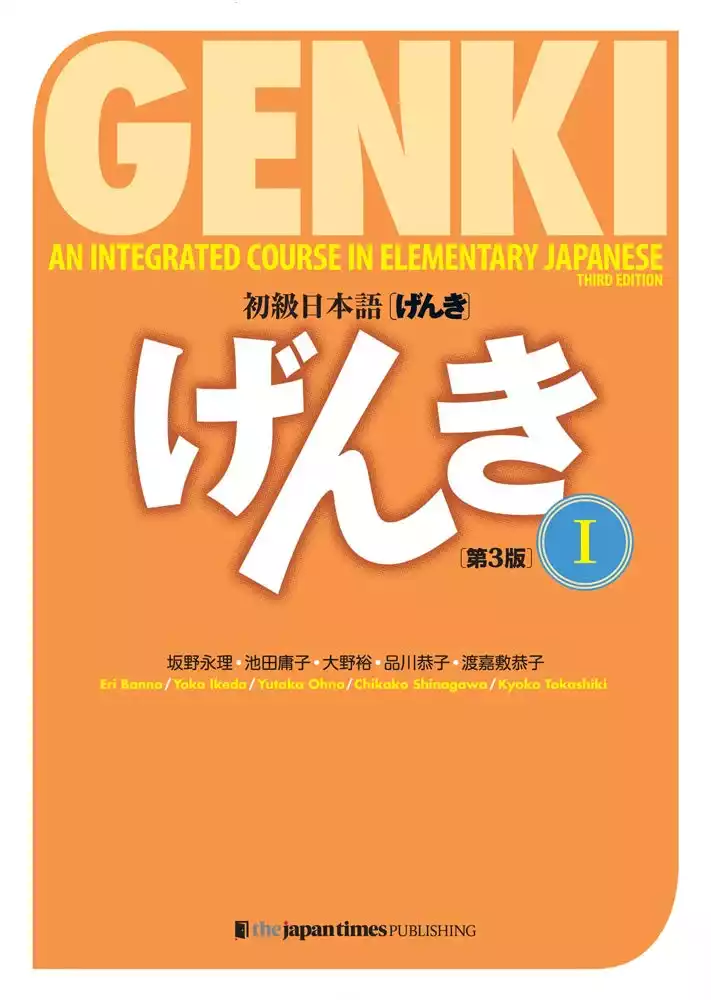
Genki is the more accessible option if you need English grammar explanations from the start. For a full comparison of N5 study materials, including how Genki stacks up against other textbooks, see our complete guide to the best N5 textbooks.
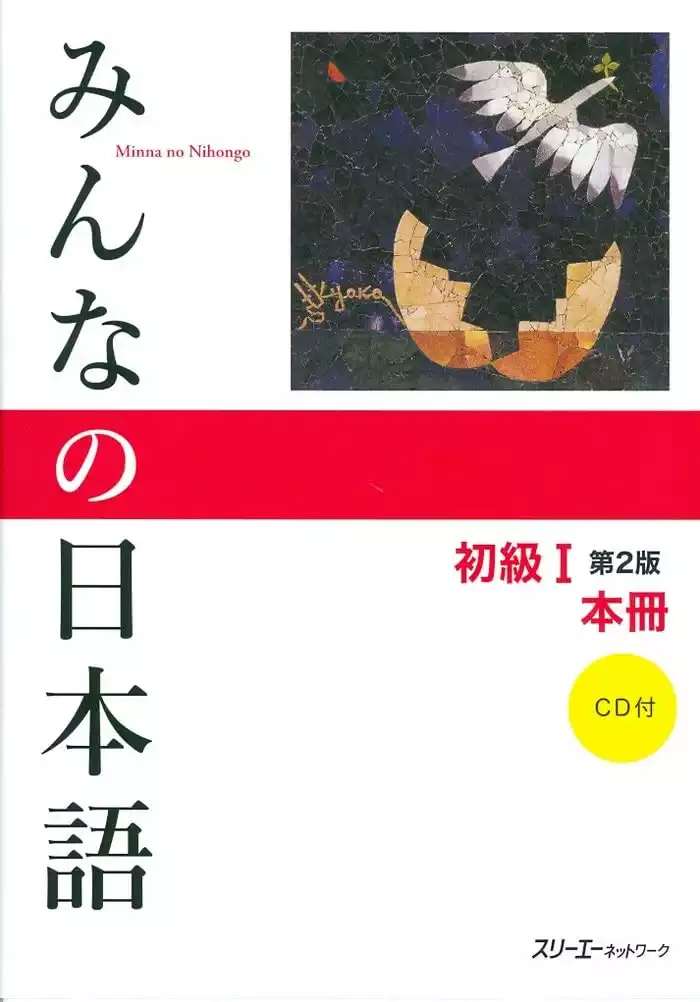
Minna no Nihongo puts you in Japanese from lesson one, which feels demanding at first but builds reading fluency faster. Our N5 self-study roadmap is structured around its 25-lesson framework for exactly that reason.
How to Decide Whether to Take the JLPT N5 or N4
The JLPT N5 vs N4 decision comes down to where you are right now.
| Take N5 first | Go straight to N4 | |
| Study time | Less than 6 months, under 500 words | 1 year or more, solid grammar base |
| Kanji | Still working through the first 100 | Comfortable reading 100+ kanji |
| Motivation style | A first win helps you stay consistent | Self-driven, comfortable with longer goals |
| Goals in Japan | Long-term learning, no immediate move planned | Planning to live or work in Japan soon |
If you are unsure where you actually stand, a level check is the most reliable way to find out.
Book a free trial lesson and get a clear picture of whether N5 or N4 is the right target for you right now.
Online Tutoring for the N5 to N4 Transition

The N5 to N4 transition is where many self-learners stall. The content roughly doubles, grammar becomes combinatorial, and it becomes difficult to assess your own progress honestly.
At Nihongo Online School, our N4 program follows the Minna no Nihongo II framework across lessons 26 to 50, covering all the grammar the exam requires, including passive and causative forms, conditionals, giving and receiving verbs, reported speech and honorifics.
Bon-san, a software engineer at a Japanese company in Tokyo, joined us at N5 level. After 50 lessons over six months, he reached JLPT N4 with solid listening and reading results, and went from barely managing simple exchanges to handling everyday workplace communication in Japanese.
Decided to make JLPT N4 your next goal?
If N4 is the right level for you, you can begin with a structured self-study option. Our JLPT N4 Udemy course lets you learn through video lessons on your own schedule.