
 English
  Español

Tips for More Effective Studying
Nihongo Online School > Tips for More Effective Studying > CEFR A1 in Japanese vs JLPT N5 : A Comparison for Beginners
CEFR A1 in Japanese vs JLPT N5 : A Comparison for Beginners

2026/05/23

Director: Kotaro Muramoto
Principal of Nihongo Online School
In September 2019, he founded "Nihongo Online School". Since then, has been teaching Japanese online lessons, with a total of over 1,000 students.
He has designed an individualized curriculum based on student’s needs and study goal. And is conscious of making the classes speech-centered in order to improve students’ speaking skills.
The school asks students to submit homework assignments worth 2 hours per lesson to improve faster. By supporting students with these features, students are able to efficiently improve Japanese language skills.
CEFR A1 in Japanese and JLPT N5 both mark the beginner level but they are different systems and recognized differently depending on your goals.
This article explains how CEFR A1 and JLPT N5 compare, what the official equivalence actually means, and which one to prioritize based on your situation.
Contents

How Does JLPT Compare to the CEFR Framework?
Comparing JLPT to CEFR means comparing a test to a framework.
The JLPT is a standardized exam run by the Japan Foundation, with five levels from N5 to N1. The CEFR is an international reference standard created by the Council of Europe, defining six proficiency levels from A1 to C2. While the JLPT is Japanese-specific, the CEFR is a universal framework applied across all languages.
In practice, you do not “take a CEFR test”. You take a CEFR-aligned test such as the JLPT, the JFT-Basic, or the JLCT, and your score maps to a CEFR level.
Is JLPT N5 Really Equivalent to CEFR A1 in Japanese?

Since December 2025, JLPT N5 is officially equivalent to CEFR A1 in Japanese.
Here is the official CEFR/JLPT equivalence table:
| JLPT Level | CEFR Level | Score threshold |
| N5 | A1 | 80 points or above (out of 180) |
| N4 | A2 | 90 points or above |
| N3 | A2 or B1 | 95–103 → A2 104 or above → B1 |
| N2 | B1 or B2 | 90–111 → B1 112 or above → B2 |
| N1 | B2 or C1 | 100–141 → B2 142 or above → C1 |
Source : https://www.jlpt.jp/e/about/cefr_reference.html
Before using this equivalence on a CV or application, two conditions apply:
- Score threshold : The JLPT N5 to CEFR A1 equivalence applies only if you score 80 or above. Below that threshold, no CEFR reference appears on your report.
- Skills covered : This equivalence reflects reading and listening only. JLPT does not test speaking or writing, so your spoken Japanese level could sit anywhere on the CEFR scale regardless of your JLPT N5 result.
CEFR A1 vs JLPT N5 : Which Certification Is Better Recognized?
Recognition for CEFR A1 and JLPT N5 depends entirely on the context in which you use it. Neither is universally superior.
Better recognition of JLPT N5 vs CEFR A1

Highlight your JLPT N5 level when:
- Applying to Japanese language schools in Japan
- Supporting a visa application through Japan Immigration
- Applying to Japanese universities or companies that explicitly request JLPT
- Demonstrating Japanese ability to Japan-based institutions and employers
Better recognition of CEFR A1 in Japanese vs JLPT N5
Highlight your CEFR A1 level when:
- Applying to universities or employers in Europe or internationally
- Working with institutions that use CEFR as their standard language benchmark
- Listing your Japanese level on an international CV in a universally readable format
Since December 2025, both appear on the same document. JLPT score reports now include the CEFR reference level, so you can list “JLPT N5 (CEFR A1)” and be understood in both contexts.
Key Differences Between CEFR A1 in Japanese and JLPT N5
The key differences between CEFR A1 and JLPT N5 reflect two philosophies about language learning. CEFR A1 is a level description achieved through multiple possible tests, JLPT N5 is one specific exam.
Here is a clear comparison:
| JLPT N5 | CEFR A1 | |
| What it is | A standardized exam | A proficiency level in a reference framework |
| How you obtain it | Pass the JLPT N5 exam | Pass a CEFR-aligned test (JLPT, JFT-Basic, JLCT…) |
| Skills assessed | Vocabulary, grammar, reading, listening | Listening, reading, speaking, writing |
| Format | Multiple choice only | Varies by test |
| Pass/Fail | Yes (minimum 80/180, with sectional thresholds) | Descriptive level, no pass/fail |
| Speaking assessed | No | Yes (in JFT-Basic and JLCT) |
| Vocabulary scope | ~800 words | ~500 words |
| Kanji required | ~100 characters | Not specifically defined |
| Recognition in Japan | Strong | Moderate and growing |
| International recognition | Limited outside Japan contexts | Universal |
| Certificate validity | Never expires | Depends on the test taken |
How to Prepare for Your A1 or N5 Japanese Language Level
Preparing for CEFR A1 or JLPT N5 Japanese follows largely the same path at the beginner level. The core content overlaps.
CEFR A1 Japanese vs JLPT N5 : Which Resources Should You Use?
For CEFR A1 in Japanese : Communication-first resources
Marugoto Starter A1
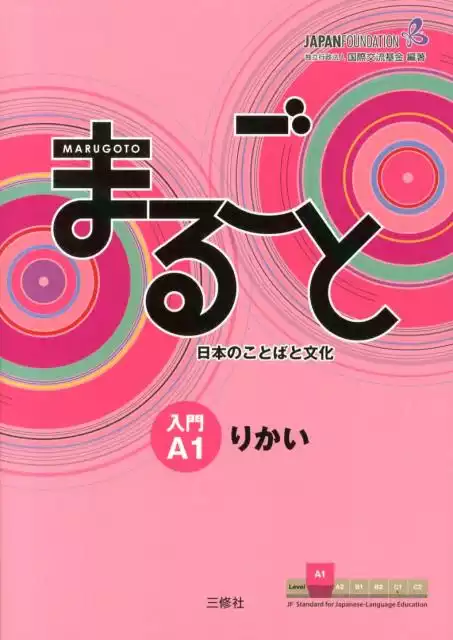
The most directly CEFR-aligned textbook for Japanese. Structured around the JF Standard (equivalent to CEFR), it covers all four skills with dialogues, listening practice, and cultural context. Available in print and online.
Irodori: Japanese for Life in Japan, Starter A1
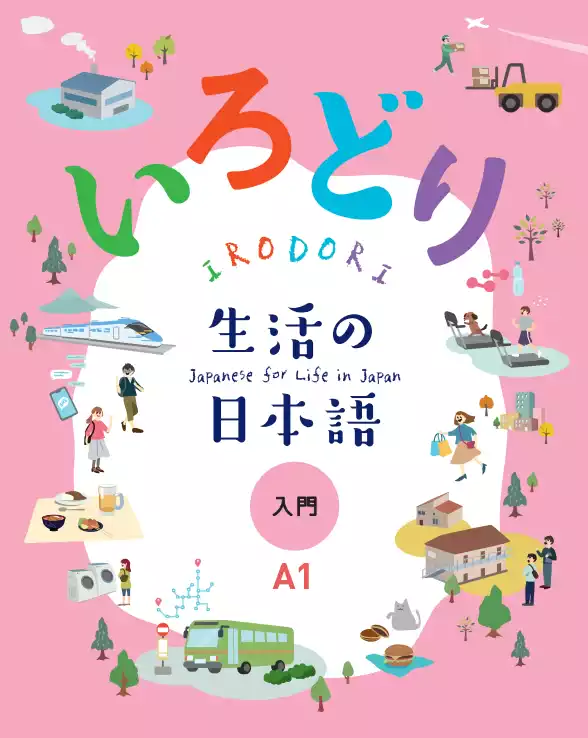
A completely free, CEFR-aligned textbook. It includes 1,129 audio files, reading activities, and Can-Do based lessons. Covers A1 in full. Highly recommended as a free starting point.
For JLPT N5 : Exam-focused resources
Genki I
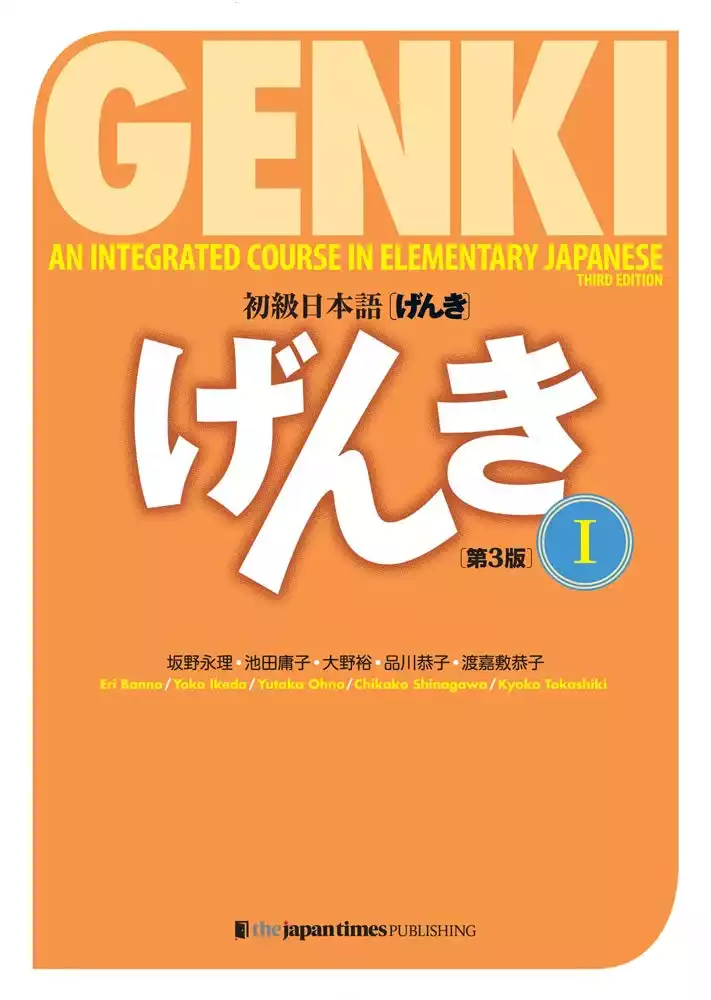
The most widely used university-level Japanese textbook for beginners. Completion of Volume 1 aligns with JLPT N5 / CEFR A1. Structured, comprehensive, and widely supported by teachers.
Nihongo So-matome N5
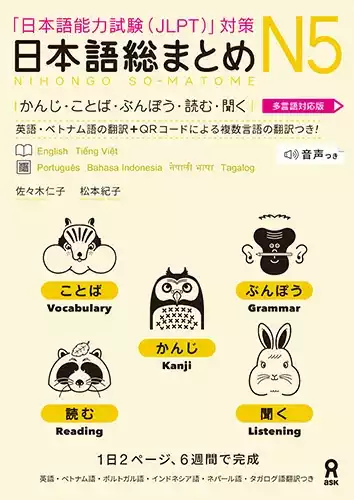
A compact, focused JLPT prep book organized by skill area. Ideal for learners who already have some basics and want to consolidate for the exam.
Minna no Nihongo I
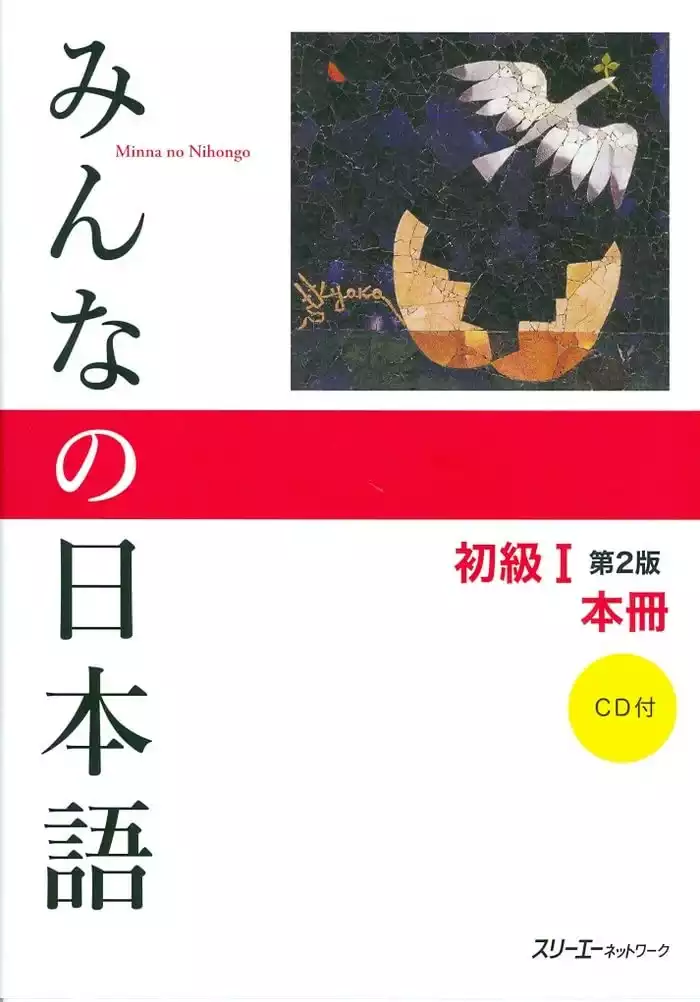
A classic used in Japanese language schools worldwide. Grammar-focused and entirely in Japanese from page one, which accelerates immersion. Covers JLPT N5 content and aligns broadly with CEFR A1.
Discover our full list of recommended N5 textbooks
Nihongo Online School for Guided CEFR A1 Preparation
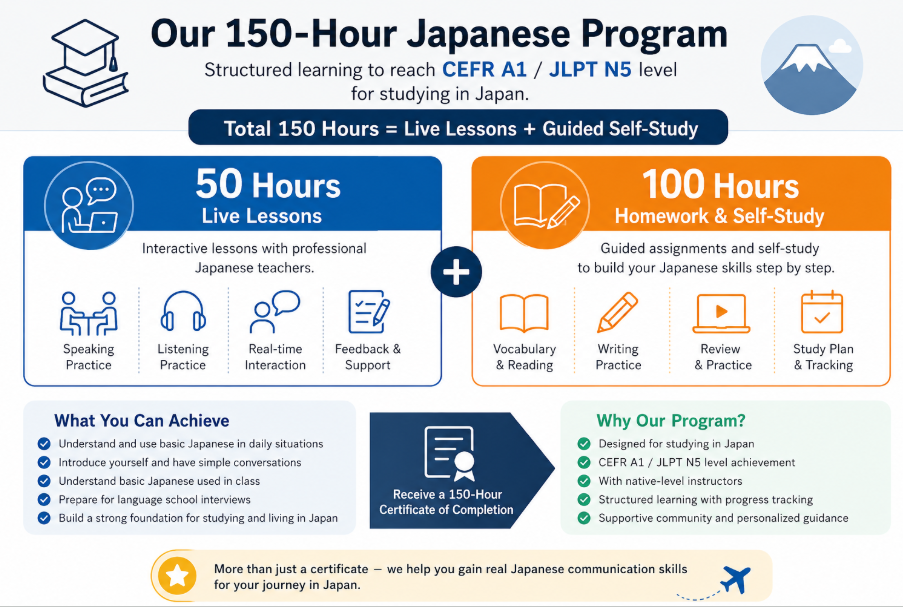
For learners who want structured support, Nihongo Online School offers a 150-hour CEFR A1 Japanese program targeting both CEFR A1 and JLPT N5 level.
The program combines 50 hours of live lessons with professional Japanese teachers, covering speaking practice, listening, real-time interaction, and personalized feedback, with 100 hours of guided self-study focused on vocabulary, writing, and review.
Students receive a 150-hour Certificate of Completion, and progress is tracked throughout the program.