
 English
  Español

Tips for More Effective Studying
Nihongo Online School > Tips for More Effective Studying > Japanese reading practice for beginners: Top resources
Japanese reading practice for beginners: Top resources

2025/09/25

Director: Kotaro Muramoto
Principal of Nihongo Online School
In September 2019, he founded "Nihongo Online School". Since then, has been teaching Japanese online lessons, with a total of over 1,000 students.
He has designed an individualized curriculum based on student’s needs and study goal. And is conscious of making the classes speech-centered in order to improve students’ speaking skills.
The school asks students to submit homework assignments worth 2 hours per lesson to improve faster. By supporting students with these features, students are able to efficiently improve Japanese language skills.
Finding good Japanese reading practice for beginners is harder than it should be. In this article, you’ll find the top resources and japanese passages that learners actually recommend.
From websites, news, and books, find the best tools to help you start your Japanese learning journey.
Contents
- 1 Why Japanese reading practice matters for beginners
- 2 How to approach Nihongo reading practice
- 3 Easy web resources for beginner japanese reading
- 4 Japanese News & articles for beginners
- 5 Practice Japanese reading with children’s books & stories
- 6 What else can Japanese reading beginners use for practice?

Why Japanese reading practice matters for beginners
Many beginners skip reading because it seems less important than speaking or writing. This is a mistake that costs them progress later.
Japanese reading practice for beginners strengthens four language skills at once:
- Listening ability : teaches you to recognize word patterns
- Vocabulary growth : shows you diverse words that rarely appear in daily talk, much faster than conversation alone
- Writing skills : reinforces kana character memory
- Visual processing : trains your eyes to process Japanese text smoothly
Regular reading sharpens your mental focus too. Even 10 minutes daily improves concentration, which helps all areas of language learning.
This skill becomes especially important for JLPT since many test-takers say the reading section is the hardest part. Students who avoid beginner Japanese reading practice often struggle during exam preparation.
How to approach Nihongo reading practice
Building healthy reading habits starts simple.
Begin with micro-sessions during your nihongo practice reading time. Even reading station names on your commute counts as practice.
Create focus by removing distractions. Turn off phones, TV, and emails. If you need background sound, use cafe noises or instrumental music instead of songs with lyrics.
Choose materials wisely for your reading japanese for beginners journey:
- Test your level : Read the first few pages and make sure you understand most content but still encounter some new words
- Pick interesting topics : Choose subjects you enjoy to stay motivated
- Focus on daily vocabulary :Select slice-of-life content over technical topics
Build your 10-minute daily habit. Regular short sessions develop reading skills more effectively than occasional long study periods.
Easy web resources for beginner japanese reading
At the beginning of your Japanese learning journey, manga feels impossible and real news articles might as well be hieroglyphs. These easy websites bridge that gap, giving you authentic reading that won’t crush your confidence. Here are the top sites that we recommend for Japanese reading practice for beginners.
Magazine and cultural sites
Matcha
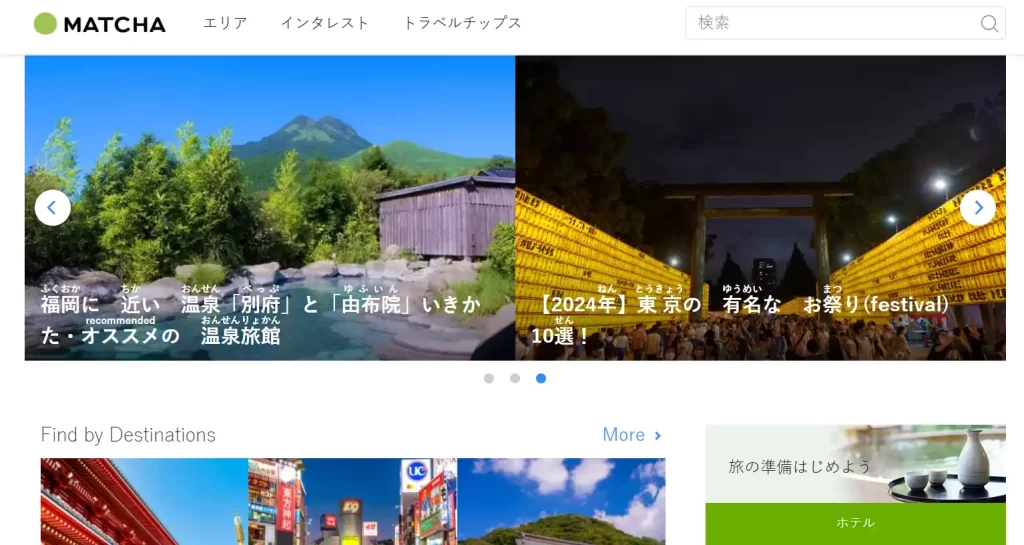
Matcha focuses on Japanese travel and culture with longer articles broken into digestible sections. All kanji include furigana, and the topics cover everything from food trends to festival guides. The writing style remains simple despite covering complex cultural topics.
Wa Tanoshii
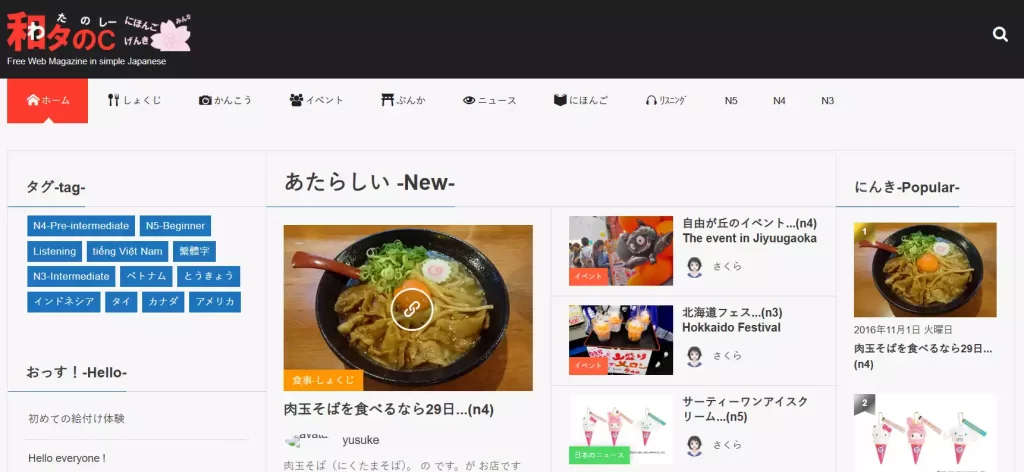
Wa Tanoshii offers personal stories about daily life in Japan, written by various contributors. Articles are sorted by JLPT levels from N5 to N1, with the difficulty clearly marked in titles. Hover over underlined phrases to get instant definitions and grammar explanations, making this ideal for interactive learning.
Nippon Talk
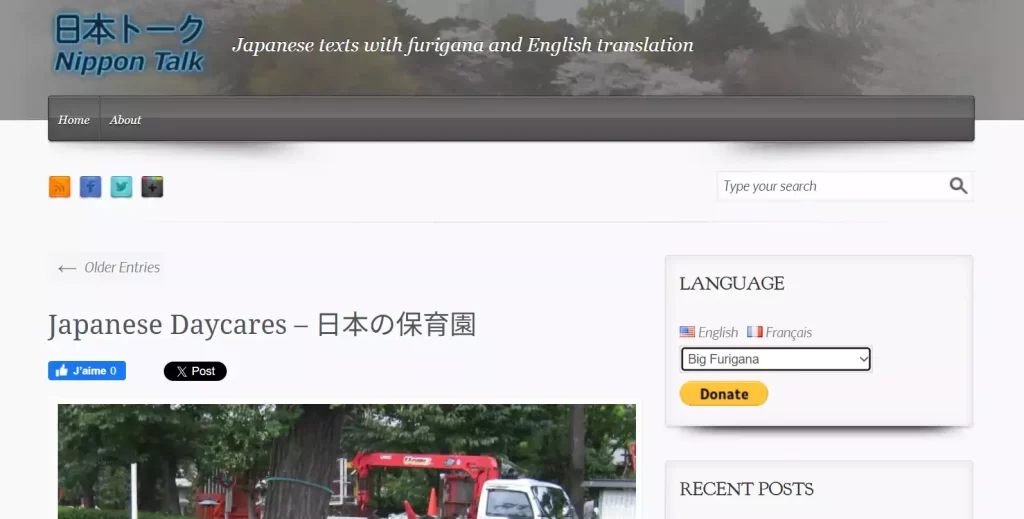
Nippon Talk covers general lifestyle topics like parenting and daily tasks. Each Japanese paragraph includes English translations directly below the text, though challenging yourself to read without peeking at translations builds stronger comprehension skills.
Hirogaru
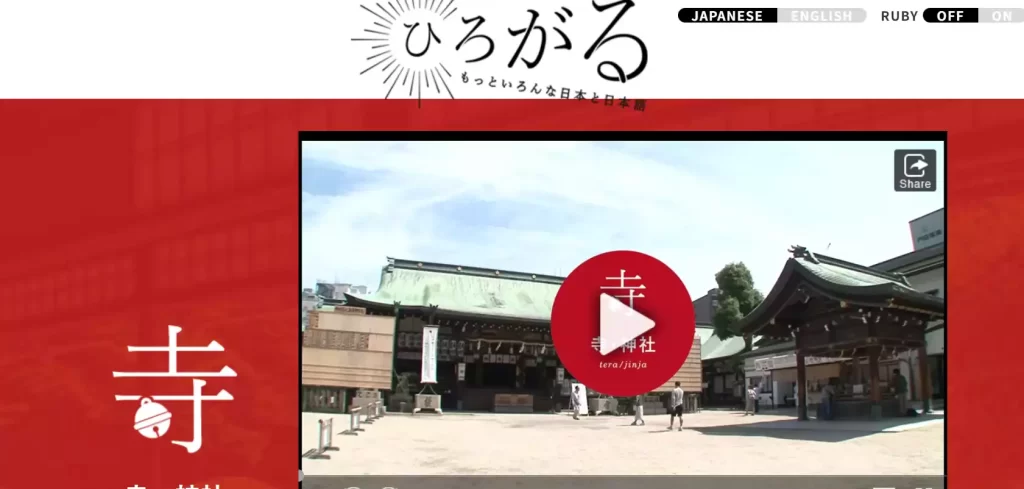
Hirogaru targets learners at A1-A2 levels with cultural content designed specifically for Japanese language practice. The site covers 12 different topics about Japan, allowing you to explore various aspects of the culture while building reading skills. User comments add community interaction to the learning process.
Beginner-friendly books and story sites
Tadoku Graded Readers
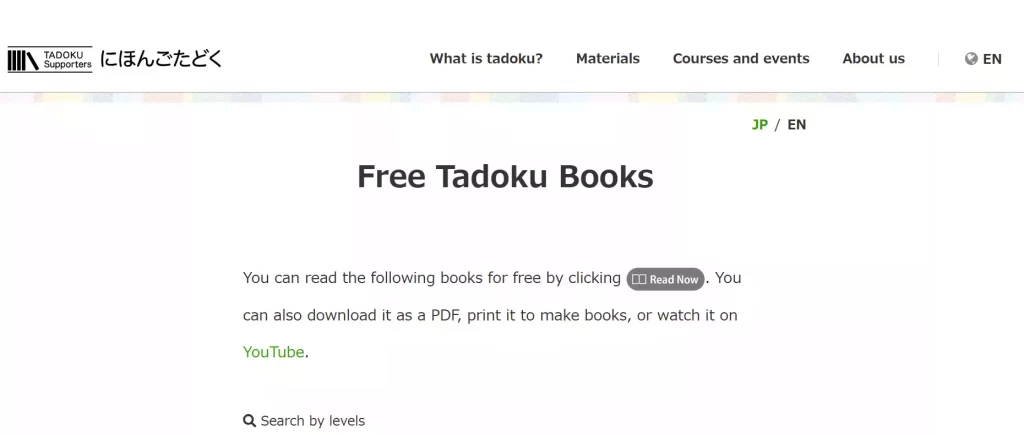
Tadoku Graded Readers provides a great start for Japanese reading practice for beginners. They offer free books from level 0 to level 5, with plenty of content for beginners. The stories start at “See Spot Run” level but gradually increase in difficulty. This legally free resource gives you lots of choices and makes reading fun without overwhelming new learners.
Satori Reader

Satori Reader bridges the gap between beginner materials and native content for $9 monthly. The platform features stories specifically made for learners, with clickable word translations, sentence explanations, and toggleable furigana. Their grammar explanations help you understand how sentences actually fit together, making this invaluable for people who want to start reading Japanese as beginners.
Natively
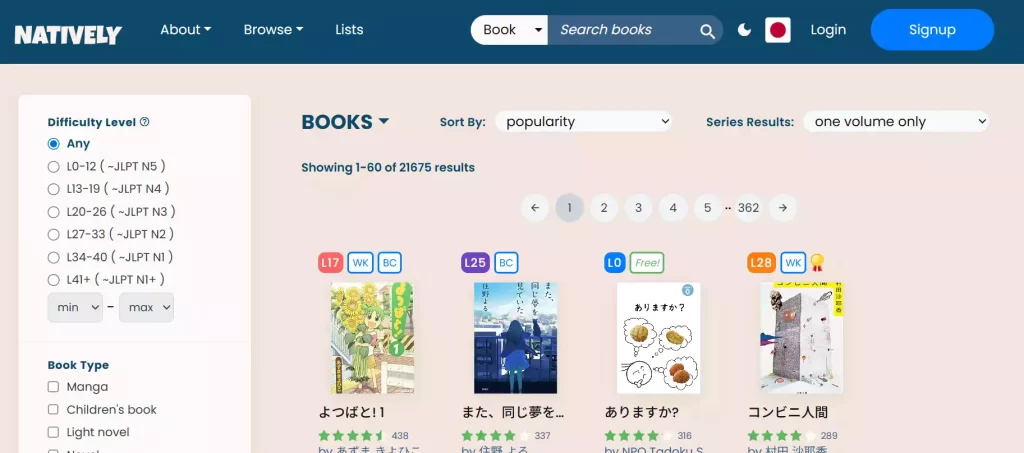
Natively works like Goodreads but for Japanese learners. Users rate books by difficulty and entertainment levels, helping you find materials right at your level. Filter by N5-N4 levels and choose between graded readers or manga. This free resource helps you transition from simple stories to more complex content.
Japanese News & articles for beginners
NHK News Web Easy
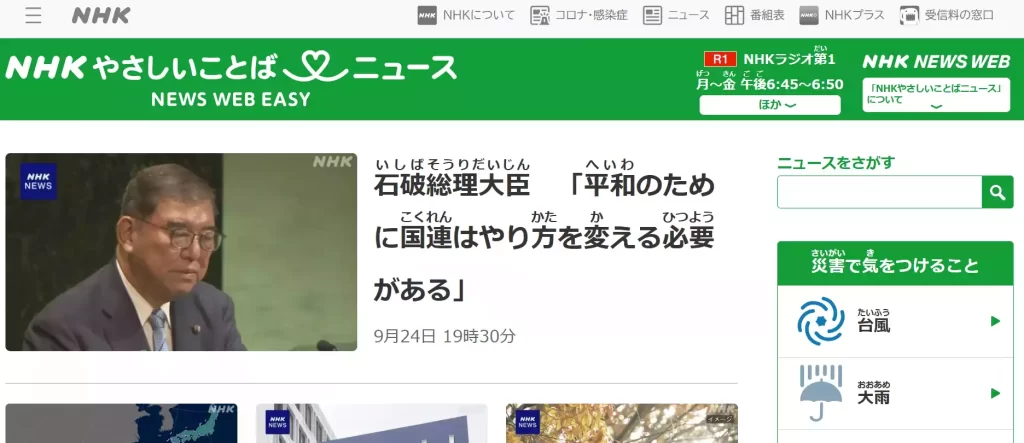
NHK News Web Easy remains the gold standard for beginner Japanese reading practice. This free site publishes three to four simplified news articles daily, complete with toggleable furigana and audio narration. You can listen while reading for pronunciation practice or tackle articles silently. The content covers real Japanese current events using vocabulary and kanji appropriate for learners.
News in Slow Japanese
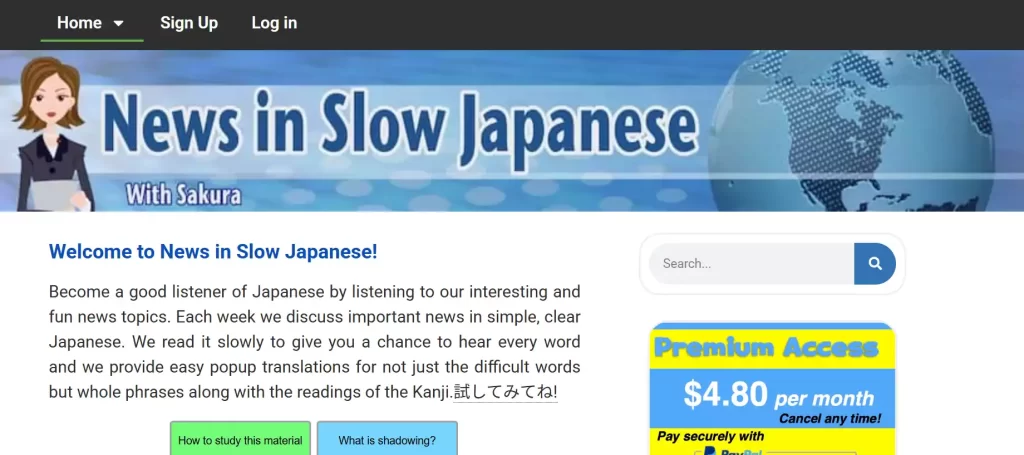
News in Slow Japanese takes a different approach by offering current news with deliberately slower audio. Each post contains short paragraphs you can hover over for additional explanations. The site provides vocabulary lists and offers both romaji versions and plain text options. They even include a supplementary podcast with faster audio once you’re ready to level up.
Hiragana Times
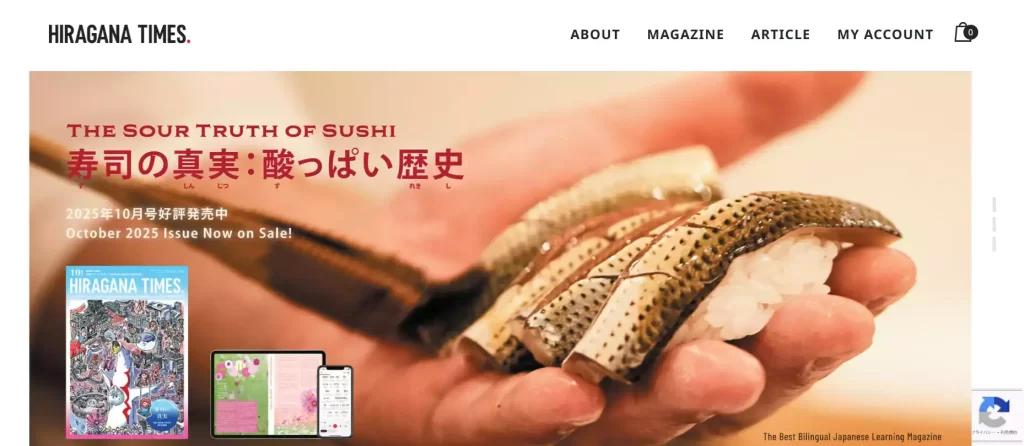
Hiragana Times focuses on real news stories told through simple Japanese. This site specifically targets foreign learners rather than native children, making the content more culturally accessible for international students looking to practice their nihongo reading.
These news resources offer authentic Japanese passages for beginners that connect you to real Japanese society. Start with NHK News Web Easy for daily nihongo practice, then branch out to children’s newspapers as your confidence grows.
Practice Japanese reading with children’s books & stories
Children’s stories offer simple sentences and familiar plots.
They’re designed for developing readers, exactly what you need during your nihongo practice reading journey.
かいけつゾロリ (Kaiketsu Zorori)
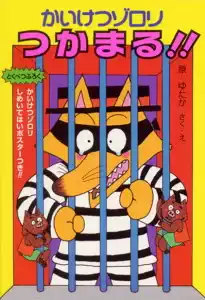
かいけつゾロリ (Kaiketsu Zorori) is a super popular children’s series with Captain Underpants vibes. Every page includes pictures, all kanji have furigana, and the stories are cute and funny. With tons of books available plus an anime adaptation, you get plenty of material for reading and listening practice.
Traditional Japanese folktales
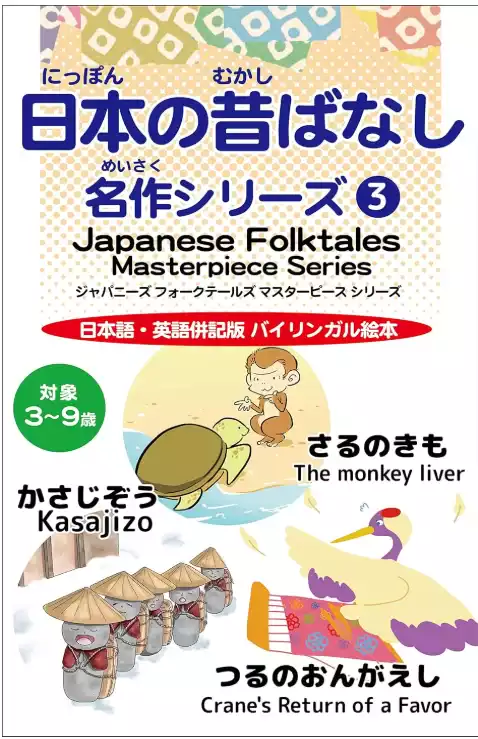
Traditional Japanese folktales through Nihon no Mukashibanashi contain around 30 stories Japanese children grow up reading, including “Urashima Taro.” The kanji doesn’t include furigana, but most characters are beginner to intermediate level.
Guri to Gura
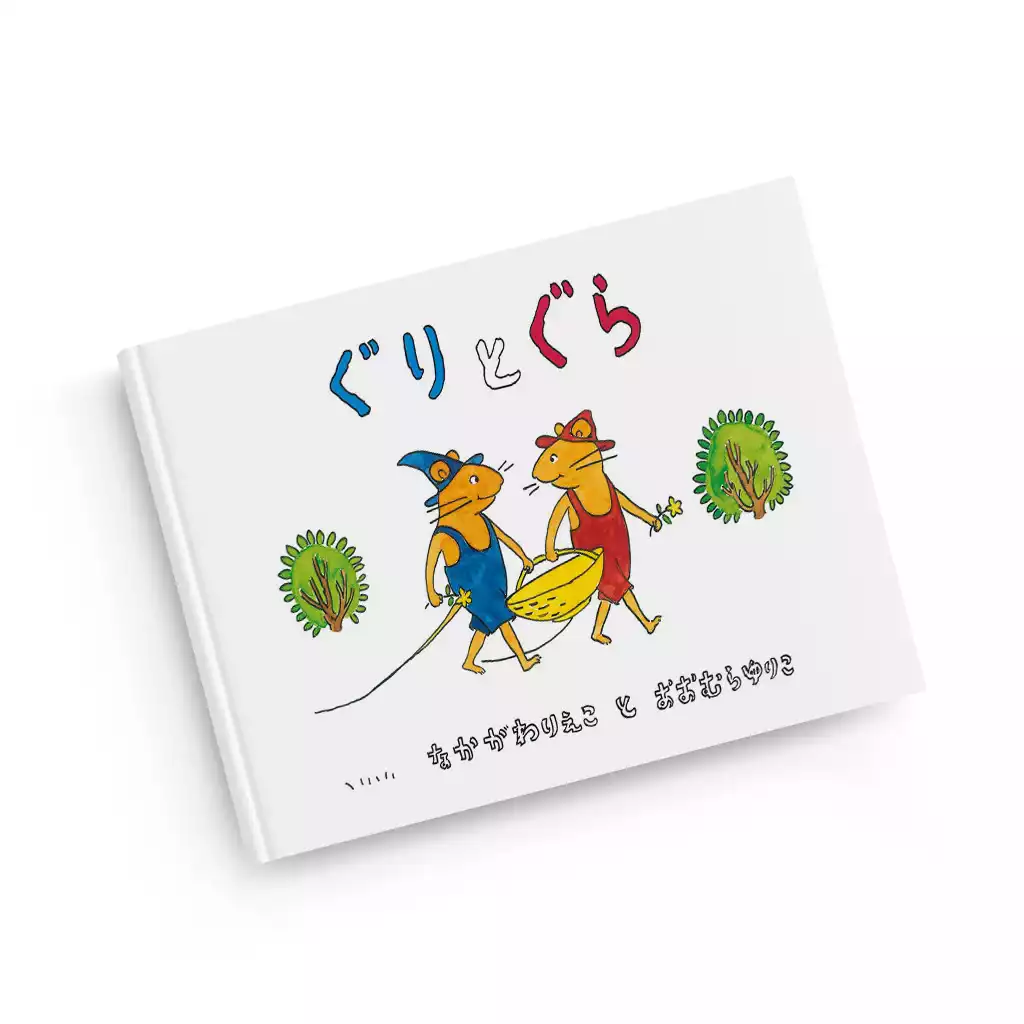
Guri to Gura stands as one of Japan’s most beloved children’s books since 1963. This story follows twin field mice who love cooking and eating more than anything in the world. The simple language and repetitive phrases make it ideal for beginner Japanese reading practice.
Sample japanese paragraph to read from Guri to Gura
「ぼくらの なまえは ぐりと ぐら、この よで いちばん すきなのは、おりょうり することたべること。」
「ぐり ぐら ぐり ぐら」と、ふたりは いつも うたを うた
います。
This japanese language paragraph shows the simple, rhythmic language that makes the book perfect for beginners. The repetitive “guri gura” song and clear sentence structure help build reading confidence while introducing basic vocabulary about cooking and daily activities.
What else can Japanese reading beginners use for practice?
Reading practice extends beyond dedicated learning websites. Manga for beginners like Doraemon and Yotsuba work best for japanese reading practice since pictures provide context. Easy Anime for JLPT N5 with subtitles and Japanese podcasts with transcripts offer additional reading practice, while Nihongo Online School brings authentic native teachers who can guide you through complex Japanese passages and explain cultural references.
The more you explore, the more resources you’ll discover.
Remember that struggles often come down to kana and kanji knowledge. Master these fundamentals first to make all reading materials in Japanese much more accessible.