
 English
 Español


Tips for More Effective Studying
Nihongo Online School > Tips for More Effective Studying > Japanese University Entrance Interview Questions for International Students
Japanese University Entrance Interview Questions for International Students

2026/11/12
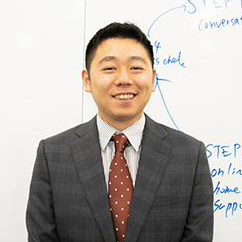
Director: Kotaro Muramoto
Principal of Nihongo Online School
In September 2019, he founded "Nihongo Online School". Since then, has been teaching Japanese online lessons, with a total of over 1,000 students.
He has designed an individualized curriculum based on student’s needs and study goal. And is conscious of making the classes speech-centered in order to improve students’ speaking skills.
The school asks students to submit homework assignments worth 2 hours per lesson to improve faster. By supporting students with these features, students are able to efficiently improve Japanese language skills.
For most international students, the interview is the one part of a Japanese university entrance exam that cannot be prepared with a textbook alone. You may have strong EJU scores and a well-written statement of purpose, but in the interview room a panel of professors will ask you, in Japanese, why you chose their university and what you plan to do there, and then keep asking “why?”
This guide walks you through the interview step by step: how it works and how it differs between universities and faculties, the questions you are most likely to hear (with sample answers in Japanese, romaji and English), how to explain your reasons for applying, how to introduce yourself in Japanese, and how to rehearse with a mock interview before the real day.
Admission rules change every year and differ by school, so always check the latest application guidelines (募集要項, boshū yōkō) of each university you apply to.
Contents
- 1 What Is the University Entrance Interview for International Students? (Differences by University and Faculty)
- 2 Common Interview Questions and Sample Answers
- 2.1 Questions About Your Motivation
- 2.2 Questions About Your Academic Background and Japanese Ability
- 2.3 Questions About Your Study Plan
- 2.4 Questions About Your Future Career
- 2.5 Questions About Life in Japan and Finances
- 2.6 Faculty-Specific and Oral Exam Questions
- 2.7 “Do You Have Any Questions?”
- 2.8 What to Say When You Don’t Understand a Question
- 3 How to Explain Your Reasons for Applying
- 4 Self-Introduction in Japanese
- 5 Mock Interviews with an Online Japanese Teacher
- 6 Build Your Speaking Confidence with Nihongo Online School
- 7 Final Thoughts

What Is the University Entrance Interview for International Students? (Differences by University and Faculty)
The entrance interview is a short conversation, usually 10 to 20 minutes, in which professors check whether you have a clear purpose, enough Japanese and academic ability to follow classes, and a realistic plan for your studies and life in Japan. Almost every university that runs a special exam for international students includes one, but the format, length and focus vary a lot between universities and even between faculties of the same university.
Where the Interview Fits in the Admission Process
Most international applicants enter a Japanese-taught undergraduate program through the entrance examination for privately financed international students (私費外国人留学生入試, shihi gaikokujin ryūgakusei nyūshi). Selection typically combines several elements, and the interview is judged together with the others rather than on its own. Iwate University, for example, describes its selection as a combination of the EJU, a short essay and an interview (Iwate University).
| Element | What it is | Is it always required? |
|---|---|---|
| Application documents 出願書類 Shutsugan shorui | Statement of purpose, school records, certificates | Yes, at almost every university |
| EJU 日本留学試験 Nihon ryūgaku shiken | Japanese, plus Mathematics, Science or Japan and the World as each university specifies | No. Many universities use it, but not all |
| University’s own exam 個別学力検査 Kobetsu gakuryoku kensa | Written tests, essay, English score (e.g., TOEFL) | Depends on the university and faculty |
| Interview 面接 Mensetsu | Individual or group interview, sometimes an oral exam | Very common for international student admission |
The EJU is not mandatory for every university or faculty. As of October 2026, JASSO lists 508 universities that use EJU scores for admission (77 national, 61 public and 370 private), and it points applicants to a separate database of schools that do not require the EJU (JASSO). Required EJU subjects and whether a university sets its own additional tests also differ by university and faculty, so read each application guide carefully. [Internal link: EJU Complete Guide]
If you do take the EJU, remember the language rule: Mathematics, Science and Japan and the World can be taken in Japanese or English, but the Japanese as a Foreign Language test is given in Japanese only (JASSO, Guidelines for 2026 EJU). Even if you write your math test in English, your interview for a Japanese-taught program will almost certainly be in Japanese.
What Interviewers Are Really Checking
Universities publish their evaluation points more often than students realize. Gunma University’s science and engineering departments, for example, list points such as whether applicants have chosen their path with a clear sense of purpose, show motivation to study, answer questions logically and appropriately, and behave in a way suitable for a university student (Gunma University). In practice, almost every question you hear tests one of four things: your motivation, your Japanese, your academic readiness, or your ability to manage life in Japan.
How Interviews Differ by University and Faculty
Shizuoka University publishes the main question topics of its interviews for privately financed international students, which shows clearly how much departments differ even inside one university (Shizuoka University).
| Faculty / Department (2026 entry) | Panel | Length | Main topics |
|---|---|---|---|
| Informatics, Computer Science 情報学部 情報科学科 Jōhō gakubu jōhō kagaku-ka | 3 | About 15 min | Motivation, study plan and career; study record (especially Japanese); life after entering; academic ability |
| Informatics, Information Society 情報学部 情報社会学科 Jōhō gakubu jōhō shakai-gakka | 3 | About 20 min | Motivation; study plan; study record; English ability; the essay exam; life planning (fees, part-time work, PC) |
| Humanities and Social Sciences, Law 人文社会科学部 法学科 Jinbun shakai kagaku-bu hōgakka | 3 | About 15 min | Motivation; future career; desire to learn; interest in law and politics |
| Humanities and Social Sciences, Economics 人文社会科学部 経済学科 Jinbun shakai kagaku-bu keizai-gakka | 3 | About 10 min | Reason for applying; study and Japanese record; what you want to study; career after graduation |
Sources: Shizuoka University interview sheets for Computer Science, Information Society, Law and Economics.
Beyond individual departments, a few broad patterns are worth knowing.
| Type of program | What the interview tends to focus on |
|---|---|
| Science and engineering 理系 Rikei | Motivation plus questions on math or science knowledge; some faculties set an oral exam |
| Humanities and social sciences 文系 Bunkei | Motivation, reading and opinions, your essay, interest in social issues related to the field |
| Medicine and health 医療系 Iryō-kei | Strong focus on ethics, communication and a clear career goal |
| English-taught degree programs | Usually held in English; Japanese ability matters less for admission |
Interview Formats: Individual, Group, Oral Exam and Online
The standard format is an individual interview with two or three professors. Some universities also use a group interview, a presentation based on your application essay, or an oral examination (口頭試問, kōtō shimon) in which you answer subject questions out loud. Ehime University, for instance, sets an oral exam in Japanese for international applicants to several of its faculties, including the Faculty of Science (Ehime University).
If you live outside Japan, check whether your target school offers pre-arrival admission (渡日前入学許可, tonichi-mae nyūgaku kyoka). Around 200 schools use this system with the EJU, and some of them hold interviews and written exams locally in applicants’ countries (JASSO EJU leaflet via the Embassy of Japan). Online interviews are also increasingly common.
Which Language Is the Interview In?
For programs taught in Japanese, expect the interview to be in Japanese. Wakayama University, for example, states clearly that its interview for privately financed international students is conducted in Japanese (Wakayama University). Some departments also check your English during the interview, as in Shizuoka’s Information Society department above.
How to Find Your University’s Interview Format
Start with the university’s application guidelines (募集要項, boshū yōkō) and selection outline (選抜要項, senbatsu yōkō). These tell you the interview language, whether there is an oral exam and how the interview is scored. Some universities, like Shizuoka, also publish past interview topics. Your Japanese language school, senior students and university open campus events are other good sources.
Common Interview Questions and Sample Answers
Interview questions for international students fall into a small number of predictable groups, so you can prepare for most of them in advance. The table below lists the questions you are most likely to hear, in the Japanese a panel would actually use.
| Group | Typical question (Japanese) | Meaning |
|---|---|---|
| Motivation | なぜ日本で勉強したいのですか。 Naze Nihon de benkyō shitai no desu ka. | Why do you want to study in Japan? |
| Motivation | 本学を志望した理由を教えてください。 Hongaku o shibō shita riyū o oshiete kudasai. | Why did you choose our university? |
| Motivation | なぜこの学部を選びましたか。 Naze kono gakubu o erabimashita ka. | Why did you choose this faculty? |
| Background | 高校で一番力を入れた科目は何ですか。 Kōkō de ichiban chikara o ireta kamoku wa nan desu ka. | Which subject did you put the most effort into at high school? |
| Japanese ability | 日本語はどのくらい勉強しましたか。 Nihongo wa dono kurai benkyō shimashita ka. | How long have you studied Japanese? |
| Study plan | 入学後、何を勉強したいですか。 Nyūgaku-go, nani o benkyō shitai desu ka. | What do you want to study after enrolling? |
| Future | 卒業後はどうしたいですか。 Sotsugyō-go wa dō shitai desu ka. | What do you want to do after graduating? |
| Life in Japan | 学費や生活費はどうしますか。 Gakuhi ya seikatsuhi wa dō shimasu ka. | How will you pay tuition and living costs? |
| Life in Japan | ほかの大学も受験していますか。 Hoka no daigaku mo juken shite imasu ka. | Are you applying to other universities? |
| Closing | 何か質問はありますか。 Nani ka shitsumon wa arimasu ka. | Do you have any questions? |
The sample answers below are models, not scripts. Replace every detail with your own experience, and prepare a short version (about 30 seconds) and a longer version (about one minute) of each answer.
Questions About Your Motivation
Motivation questions decide most interviews, and they are covered in depth in the next section. For now, notice that the panel wants three separate answers: why Japan, why this university and why this faculty. A strong answer gives a specific reason for each.
Q: なぜ日本で勉強したいのですか。 (Why do you want to study in Japan?)
日本の食品ロスを減らす取り組みを学びたいからです。私の国では、市場で多くの野菜が捨てられています。日本では企業と自治体が協力して食品ロスを減らしていると知り、その仕組みを経済学の視点から学びたいと思いました。
Nihon no shokuhin rosu o herasu torikumi o manabitai kara desu. Watashi no kuni de wa, ichiba de ōku no yasai ga suterarete imasu. Nihon de wa kigyō to jichitai ga kyōryoku shite shokuhin rosu o herashite iru to shiri, sono shikumi o keizaigaku no shiten kara manabitai to omoimashita.
“Because I want to learn about Japan’s efforts to reduce food waste. In my country, a lot of vegetables are thrown away at markets. I learned that in Japan, companies and local governments work together to reduce food waste, and I want to study how that system works from an economics perspective.”
Questions About Your Academic Background and Japanese Ability
These questions check whether you can follow lectures in Japanese. Be honest about your level and show how you are improving, because a certificate alone does not prove you can keep up in class.
Q: 日本語はどのように勉強しましたか。 (How did you study Japanese?)
母国で1年間オンラインで勉強し、来日後は日本語学校で毎日授業を受けています。授業以外では、毎日ニュースを一つ読んで、短い要約を書いています。専門用語はまだ難しいので、今は経済の入門書を日本語で読んでいます。
Bokoku de ichi-nenkan onrain de benkyō shi, rainichi-go wa Nihongo gakkō de mainichi jugyō o ukete imasu. Jugyō igai de wa, mainichi nyūsu o hitotsu yonde, mijikai yōyaku o kaite imasu. Senmon yōgo wa mada muzukashii node, ima wa keizai no nyūmonsho o Nihongo de yonde imasu.
“I studied online for a year in my home country, and since coming to Japan I have classes every day at a Japanese language school. Outside class, I read one news article a day and write a short summary. Technical terms are still difficult for me, so I am now reading an introductory economics book in Japanese.”
Questions About Your Study Plan
A good study plan answer shows that you have read the curriculum. Mention specific courses, seminars (ゼミ, zemi) or research areas, and connect them to your goal.
Q: 入学後、何を勉強したいですか。 (What do you want to study after enrolling?)
1年生と2年生では、ミクロ経済学と統計学の基礎をしっかり学びたいです。3年生からは環境経済学のゼミに入り、卒業論文では食品ロスを減らす政策の効果を、データを使って分析したいと考えています。
Ichi-nensei to ni-nensei de wa, mikuro keizaigaku to tōkeigaku no kiso o shikkari manabitai desu. San-nensei kara wa kankyō keizaigaku no zemi ni hairi, sotsugyō ronbun de wa shokuhin rosu o herasu seisaku no kōka o, dēta o tsukatte bunseki shitai to kangaete imasu.
“In my first and second years, I want to build a solid foundation in microeconomics and statistics. From my third year, I want to join the environmental economics seminar, and in my graduation thesis I want to use data to analyze how effective policies to reduce food waste are.”
Questions About Your Future Career
Your career answer does not need to be fixed forever, but it should be believable and connected to the degree.
Q: 卒業後はどうしたいですか。 (What do you want to do after graduating?)
まず日本の食品メーカーで働き、流通や在庫管理の実務を学びたいです。将来は母国に戻り、農家と小売店をつなぐ仕組みを作る仕事がしたいです。
Mazu Nihon no shokuhin mēkā de hataraki, ryūtsū ya zaiko kanri no jitsumu o manabitai desu. Shōrai wa bokoku ni modori, nōka to kouriten o tsunagu shikumi o tsukuru shigoto ga shitai desu.
“First, I want to work at a Japanese food manufacturer to learn the practical side of distribution and inventory management. In the future, I want to return to my home country and build systems that connect farmers with retailers.”
Questions About Life in Japan and Finances
Universities want to be sure you can concentrate on your studies. Shizuoka University’s interview topics, for example, include how you will cover tuition and living costs, part-time work and buying a PC (Shizuoka University). Avoid answers suggesting that part-time work will pay for everything, because that sounds as though work will come before study.
Q: 学費や生活費はどうしますか。 (How will you pay tuition and living costs?)
学費は両親が支援してくれます。生活費の一部は、勉強に影響しない範囲でアルバイトをして払う予定です。奨学金にも応募したいと考えています。
Gakuhi wa ryōshin ga shien shite kuremasu. Seikatsuhi no ichibu wa, benkyō ni eikyō shinai han’i de arubaito o shite harau yotei desu. Shōgakukin ni mo ōbo shitai to kangaete imasu.
“My parents will support my tuition. I plan to pay part of my living costs with a part-time job, within limits that do not affect my studies. I also want to apply for scholarships.”
If asked whether you are applying elsewhere, answer honestly. Professors know that applicants sit several exams. What matters is that you can explain why this university is your first choice.
Faculty-Specific and Oral Exam Questions
In science and engineering faculties, the panel may ask you to explain a concept, solve a simple problem out loud or talk about a subject you studied in the EJU. Shizuoka University’s Computer Science department lists questions on academic ability as a main interview topic (Shizuoka University). Practice explaining basic terms from your field in Japanese, such as 微分 (bibun, differentiation) or 光合成 (kōgōsei, photosynthesis), because knowing the answer in English is not enough if you cannot say it in Japanese.
In humanities and social sciences, expect questions about a book you have read, a recent news topic related to your field or the content of your essay. Prepare a short opinion with one clear reason.
“Do You Have Any Questions?”
Many interviews end with this question. Ask about study, not something you could find on the website. For example, 「1年生のうちから研究室を見学することはできますか。」 (Ichi-nensei no uchi kara kenkyūshitsu o kengaku suru koto wa dekimasu ka. “Is it possible to visit research labs from the first year?”) If you truly have no question, it is fine to say 「いいえ、特にありません。本日はありがとうございました。」 (Iie, toku ni arimasen. Honjitsu wa arigatō gozaimashita.)
What to Say When You Don’t Understand a Question
Asking for clarification is far better than guessing. These phrases keep you polite and calm.
| Situation | Phrase | Meaning |
|---|---|---|
| You did not hear the question | 恐れ入りますが、もう一度おっしゃっていただけますか。 Osoreirimasu ga, mō ichido osshatte itadakemasu ka. | Excuse me, could you say that again? |
| You do not know a word | 申し訳ありません、「〇〇」の意味を教えていただけますか。 Mōshiwake arimasen, “〇〇” no imi o oshiete itadakemasu ka. | I’m sorry, could you tell me what “__” means? |
| You need a moment to think | 少し考えてもよろしいでしょうか。 Sukoshi kangaete mo yoroshii deshō ka. | May I think for a moment? |
| You do not know the answer | 勉強不足で申し訳ありません。入学までに調べておきます。 Benkyō busoku de mōshiwake arimasen. Nyūgaku made ni shirabete okimasu. | I’m sorry, I haven’t studied that enough. I will look into it before enrolling. |
How to Explain Your Reasons for Applying
Your reason for applying (志望動機, shibō dōki) is the question every panel asks and the one that most often decides the result. Professors are not looking for impressive words; they are looking for a reason that is specific, personal and consistent with everything else you have submitted.
Answer Three Questions, Not One
A complete motivation answer covers three layers. Many applicants answer only the first and stop.
| Layer | Question the panel has in mind | What makes a strong answer |
|---|---|---|
| Why Japan | Why not study this in your own country or elsewhere? | Something Japan offers for your field: a technology, a social system, an industry, a research tradition |
| Why this university 本学 Hongaku | Why us, not another university with the same subject? | A specific lab, seminar, course, professor, program or location |
| Why this faculty 学部 Gakubu | Why this subject, and how does it fit your plans? | A personal experience that started your interest and a goal after graduation |
Use a Simple Four-Step Structure
Japanese interviewers appreciate answers that start with the conclusion. A reliable structure is:
- Conclusion: state your reason in one sentence.
- Reason: explain why this matters to you.
- Episode: give one concrete experience or fact.
- Link: connect it back to this university and your future.
This structure keeps you from rambling when you are nervous, and it gives the panel natural points for follow-up questions.
Research That Makes Your Answer Specific
Specific answers come from research. Read the faculty’s admission policy (アドミッション・ポリシー, admisshon porishī), which describes the kind of student the faculty wants, and use its key ideas in your answer. Check the curriculum and seminar list, read a short article or profile of a professor whose work interests you, and attend an open campus (オープンキャンパス, ōpun kyanpasu) or online information session if you can. One real detail, such as a course name or a project, is worth more than many general phrases.
Keep It Consistent with Your Statement of Purpose
Many interview questions are taken directly from your statement of purpose (志望理由書, shibō riyūsho). Before the interview, reread a copy of what you submitted and make sure you can explain every claim in spoken Japanese. If you wrote that you want to join a particular seminar, expect the question 「そのゼミで何を研究したいですか。」 (Sono zemi de nani o kenkyū shitai desu ka. “What do you want to research in that seminar?”).
Weak Reasons vs. Strong Reasons
| Weak reason | Why it fails | Stronger direction |
|---|---|---|
| 日本のアニメが好きだからです。 Nihon no anime ga suki da kara desu. | A hobby, not an academic purpose | Connect it to a field, e.g., the content industry or media studies, with a concrete goal |
| 有名な大学だからです。 Yūmei na daigaku da kara desu. | Says nothing about the subject | Name a course, lab or program only this university offers |
| 親に勧められたからです。 Oya ni susumerareta kara desu. | No purpose of your own | Explain what you discovered yourself after the recommendation |
| 日本は安全だからです。 Nihon wa anzen da kara desu. | A reason to live, not to study | Keep it as a minor point after your academic reason |
Sample Answer: Why This University?
貴学の経済学部に、食品の流通と環境問題を扱うゼミがあるからです。オンライン説明会で、学生が地元のスーパーと協力して売れ残りを減らすプロジェクトを行っていると聞きました。私も実際のデータを使って研究し、将来は母国の食品ロス対策に生かしたいと考えています。
Kigaku no keizai gakubu ni, shokuhin no ryūtsū to kankyō mondai o atsukau zemi ga aru kara desu. Onrain setsumeikai de, gakusei ga jimoto no sūpā to kyōryoku shite urenokori o herasu purojekuto o okonatte iru to kikimashita. Watashi mo jissai no dēta o tsukatte kenkyū shi, shōrai wa bokoku no shokuhin rosu taisaku ni ikashitai to kangaete imasu.
“Because your Faculty of Economics has a seminar that deals with food distribution and environmental issues. At an online information session, I heard that students run a project with local supermarkets to reduce unsold food. I also want to do research using real data, and in the future use it to tackle food waste in my home country.”
In interviews, the university you are applying to is usually called 貴学 (kigaku, “your university”) in speech. Use it consistently.
Prepare for Follow-Up Questions
Panels rarely accept the first answer. After each sample answer you prepare, ask yourself “why?” three times and answer out loud. If your reason is “Japan has advanced technology,” the next question will be “Which technology?” and then “Why can’t you study it in your country?” The point where you get stuck is exactly where you need more research or a clearer personal reason.
Self-Introduction in Japanese
Many interviews open with 「自己紹介をしてください。」 (Jiko shōkai o shite kudasai. “Please introduce yourself.”). This is the one answer you can fully prepare, and a calm, clear first minute sets the tone for the rest of the interview.
What to Include in a One-Minute Self-Introduction
Keep it to about one minute, or around 200 to 250 Japanese characters when spoken at a steady pace. Include your name and country, what you are doing now, one experience connected to the subject you are applying for, and a polite closing. Leave out your full life story; the panel will ask follow-up questions about anything that interests them.
A Fill-in-the-Blank Template
| Part | Template | Meaning |
|---|---|---|
| Greeting and name | 〇〇から参りました、〇〇と申します。 〇〇 kara mairimashita, 〇〇 to mōshimasu. | My name is __, and I come from __. |
| Current situation | 現在、〇〇で日本語を勉強しています。 Genzai, 〇〇 de Nihongo o benkyō shite imasu. | I am currently studying Japanese at __. |
| Academic interest | 高校では〇〇に力を入れました。 Kōkō de wa 〇〇 ni chikara o iremashita. | At high school, I put effort into __. |
| Connection to the faculty | その経験から、〇〇に興味を持つようになりました。 Sono keiken kara, 〇〇 ni kyōmi o motsu yō ni narimashita. | From that experience, I became interested in __. |
| Closing | 本日はどうぞよろしくお願いいたします。 Honjitsu wa dōzo yoroshiku onegai itashimasu. | Thank you for this opportunity today. |
Sample Self-Introduction
ベトナムから参りました、グエン・ミン・アンと申します。現在、東京の日本語学校で1年半日本語を勉強しています。高校では数学が得意で、学校の文化祭では、クラスの売上データをまとめる係を担当しました。その経験から、データを使って社会の問題を考える経済学に興味を持つようになりました。本日はどうぞよろしくお願いいたします。
Betonamu kara mairimashita, Guen Min An to mōshimasu. Genzai, Tōkyō no Nihongo gakkō de ichi-nen-han Nihongo o benkyō shite imasu. Kōkō de wa sūgaku ga tokui de, gakkō no bunkasai de wa, kurasu no uriage dēta o matomeru kakari o tantō shimashita. Sono keiken kara, dēta o tsukatte shakai no mondai o kangaeru keizaigaku ni kyōmi o motsu yō ni narimashita. Honjitsu wa dōzo yoroshiku onegai itashimasu.
“My name is Nguyen Minh Anh, and I come from Vietnam. I have been studying Japanese at a language school in Tokyo for a year and a half. At high school, math was my strong subject, and at our school festival I was in charge of compiling our class’s sales data. That experience made me interested in economics, which uses data to think about social problems. Thank you for this opportunity today.”
Polite Expressions for Interview Day
Interviews use polite desu/masu Japanese and some humble expressions (謙譲語, kenjōgo). You do not need perfect keigo, but these set phrases are expected.
| Moment | Phrase | Meaning |
|---|---|---|
| Knocking and entering | 失礼いたします。 Shitsurei itashimasu. | Excuse me (as you enter). |
| Giving your name | 受験番号〇〇番、〇〇と申します。 Juken bangō 〇〇-ban, 〇〇 to mōshimasu. | Examinee number __, my name is __. |
| Being invited to sit | 失礼いたします。 Shitsurei itashimasu. | Thank you (as you sit down). |
| Referring to the university | 貴学 Kigaku | Your university (spoken form) |
| Finishing the interview | 本日はありがとうございました。 Honjitsu wa arigatō gozaimashita. | Thank you very much for today. |
| Leaving the room | 失礼いたしました。 Shitsurei itashimashita. | Excuse me (as you leave). |
Interview Manners from Entering to Leaving
Japanese interviews follow a fairly fixed sequence, and practicing it removes one source of nerves.
- Knock three times and wait for 「どうぞ」 (dōzo, “come in”).
- Open the door, say 「失礼いたします」, close the door quietly and bow.
- Walk to the side of the chair, give your examinee number and name, and bow again.
- Sit only after you are told 「どうぞおかけください」 (dōzo okake kudasai, “please sit down”).
- Sit up straight, place your hands on your knees and look at the person asking each question.
- At the end, stand beside the chair, say 「本日はありがとうございました」 and bow.
- At the door, turn, say 「失礼いたしました」, bow and leave.
Wear your school uniform if you have one; otherwise choose a plain dark suit or neat, simple clothes.
Tips for Online Interviews
Online interviews follow the same manners, minus the door. Put the camera at eye level, sit in front of a plain background with light on your face, and test your microphone and connection the day before. Log in 10 minutes early, and keep the university’s contact details at hand in case the connection drops. Look at the camera, not the screen, when you speak, and pause slightly longer than usual before answering, since online audio often has a small delay.
Mock Interviews with an Online Japanese Teacher
A mock interview (模擬面接, mogi mensetsu) is the closest you can get to the real thing before exam day. Reading model answers helps you plan what to say, but only speaking them aloud to a real person shows you whether you can say it clearly, under a little pressure, and handle questions you did not expect.
Why Practicing Alone Is Not Enough
When you practice alone, you tend to repeat the same memorized answers, and you cannot hear your own pronunciation or grammar mistakes. A teacher can play the professor, ask natural follow-up questions, notice unnatural expressions and point out habits such as speaking too fast, looking down or filling silence with 「えーと」 (ēto, “um”). For students living outside Japan, an online teacher is often the only practical way to get this kind of feedback in Japanese.
How to Get the Most from a Mock Interview
Preparation before the session makes a big difference. Send your teacher your statement of purpose, the faculty you are applying to and, if possible, the interview topics listed in the university’s guidelines. Ask the teacher to act like a real panel: start from the knock at the door, ask questions in formal Japanese and keep going with follow-up questions instead of stopping to correct every small mistake.
After the session, ask for feedback in three areas: content (was the answer specific and consistent with your documents?), Japanese (grammar, vocabulary, keigo) and delivery (speed, eye contact, posture). If you can, record the session and watch it once as if you were the panel. Then rewrite the weakest answer and practice it again in the next lesson.
A Preparation Timeline
| When | What to do |
|---|---|
| 3 months before | Read the application guidelines, research the faculty and draft your answers to the core questions |
| 2 months before | Finalize your statement of purpose and practice your self-introduction and motivation answers aloud |
| 1 month before | Start mock interviews once or twice a week, including follow-up and unexpected questions |
| 1–2 weeks before | Run full mock interviews from entering to leaving, at the expected length and format (in person or online) |
| Day before | Reread your submitted documents, check your clothes or online setup, and rest |
If your target faculty includes an oral exam on math or science, practice explaining key terms in Japanese as part of your interview preparation, and use subject-specific materials for the academic content itself. [Internal link: EJU Mathematics Preparation Guide]
Build Japanese That Holds Up Under Questions
The best interview answers are not the most polished; they are the ones you can still explain when the professor asks “why?” a second and third time. That ability comes from steady speaking practice over months, not from memorizing a script the week before. The earlier you start speaking regularly with a teacher, the more natural your answers will sound on the day.
Build Your Speaking Confidence with Nihongo Online School
An entrance interview tests something no written exam can: whether you can explain your thoughts in Japanese, face to face, when the next question is unexpected. That skill grows only through regular speaking practice with feedback. Nihongo Online School helps you build it through private online lessons focused on conversation.
Speaking-Focused Lessons Tailored to Your Goal
Every lesson is a private 60-minute 1-on-1 session over Zoom with a qualified Japanese teacher, scheduled around your study timetable. Instead of a fixed curriculum, lessons are customized to your needs and goals, and they are designed to give you as much speaking time as possible. Each lesson comes with about two hours of guided homework, so the grammar and vocabulary you need stick.
One Teacher Who Knows Your Progress
One dedicated teacher supports you from the beginning to the end of your course. Because the same teacher follows your homework, progress and weak points, each lesson builds on the last. Your speaking ability is measured regularly with a 10-step conversation level test, so you can see how much you have improved. Teachers can also communicate in English when you need support.
Who It Is For
The lessons cover the path from complete beginner to about JLPT N3, the stage where you can explain your thoughts and experiences in more detail. They suit students who want to build a strong speaking foundation early, before university interviews and life in Japan. The school focuses on Japanese language lessons and does not offer preparation for the EJU Mathematics, Science or Japan and the World tests.
Start with a Free Trial Lesson
Book a free trial lesson and level check, and tell your teacher about your study-in-Japan goal and timeline. After the trial, a counselor proposes a curriculum that fits your needs.
Final Thoughts
The Japanese university entrance interview is less about perfect Japanese and more about showing a clear purpose you can explain in your own words. Check each university’s guidelines for the format and language, prepare specific answers to the core questions, make your reasons for applying consistent with your statement of purpose, and polish a one-minute self-introduction. Then practice out loud with a real person until follow-up questions no longer surprise you.
For the rest of your preparation, see our guides to the EJU and its Japanese test. [Internal link: EJU Complete Guide] [Internal link: EJU Japanese as a Foreign Language Guide]