
 English
  Español

Tips for More Effective Studying
Nihongo Online School > Tips for More Effective Studying > Best Japanese Textbooks for Beginners: A Self-Study Guide for 2026
Best Japanese Textbooks for Beginners: A Self-Study Guide for 2026

2026/06/22

Director: Kotaro Muramoto
Principal of Nihongo Online School
In September 2019, he founded "Nihongo Online School". Since then, has been teaching Japanese online lessons, with a total of over 1,000 students.
He has designed an individualized curriculum based on student’s needs and study goal. And is conscious of making the classes speech-centered in order to improve students’ speaking skills.
The school asks students to submit homework assignments worth 2 hours per lesson to improve faster. By supporting students with these features, students are able to efficiently improve Japanese language skills.
Most Japanese learning books for beginners cover almost the same ground: the writing systems, self-introductions, basic grammar, and the first few hundred words.
This guide cuts the noise and tells you exactly which Japanese textbook for beginners fits which learner, and how to use it well on your own.
Contents

How Should a Beginner Start Learning Japanese?
A beginner should start by learning hiragana and katakana before opening any textbook. It takes about two to three weeks, and it makes every lesson afterward far smoother. Most beginner books introduce the kana in their first chapters, but learning them first means you spend your textbook time on grammar instead of decoding.
The next step is the one that decides everything: choose one main Japanese textbook for beginners and commit to it. The most common beginner mistake is collecting five books and finishing none. A textbook is a starting point, not the finish line. Its only job is to give you enough grammar and vocabulary to begin reading, listening, and speaking on your own.
A simple daily routine works best:
- Study 30 to 60 minutes a day, consistently.
- Read each dialogue first, then learn the vocabulary, then the grammar.
- Always use the audio. Listening can’t be learned from paper.
- Review old lessons weekly, because grammar fades fast without it.
One thing to plan separately: kanji. Grammar textbooks tend to teach kanji slowly and without much structure, so it’s smarter to learn it in parallel with a dedicated resource rather than waiting for your main book to cover it.
Should You Use the Same Textbooks as Japanese Students?

Using the same Japanese textbooks as students inside Japan sounds efficient, but at the very start it usually isn’t. The book most language schools in Japan rely on is Minna no Nihongo and the main volume is written entirely in Japanese. That full immersion builds reading familiarity early, which is a real advantage.
For a self-study beginner, this approach can feel intimidating. Minna no Nihongo shines once you already have the basics or want a more disciplined, drill-heavy method. Whichever route you take, finishing the first volume brings you to roughly JLPT N5 level.
What Are the Best Japanese Textbooks for Beginners in 2026?
The best Japanese textbook for beginners depends on your learning style, but the field narrows quickly to a few proven names. The encouraging part is that the outcome is similar across all of them: finishing the first book takes you to around JLPT N5, and the second to roughly N4. After that, you graduate to more reading-heavy material on the way to N3 and beyond.
Is Genki Still the Best Japanese Textbook for Beginners in 2026?
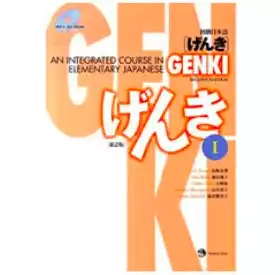
Genki remains the safest best Japanese textbook for beginners in 2026, and for good reason. Each chapter opens with a dialogue that contains the lesson’s target grammar and vocabulary, then explains everything clearly in English. The third edition added full-colour illustrations and online audio, and the matching workbook gives you solid practice for every chapter.
Its two weak points are worth knowing. Genki was designed for classrooms, so a few exercises assume a partner, and it has no structured system for learning kanji. For self-study, buy the answer key alongside the workbook and pair it with a separate kanji method. Do that, and Genki I and II give you a genuinely strong foundation.
Japanese From Zero: An Honest Review
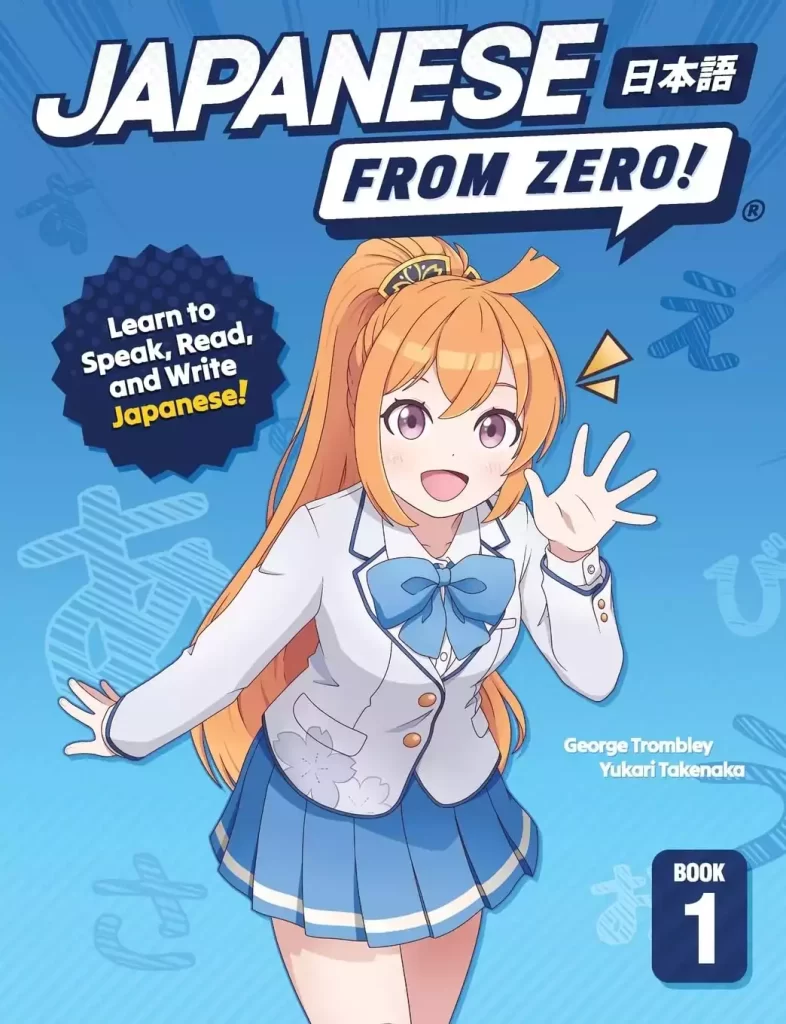
Japanese From Zero is the gentlest entry point, and the right pick if textbooks have intimidated you before. It uses a “progressive” approach: book one mixes romaji with the hiragana you’ve just learned, book two adds katakana, and kanji only appears from book three. The tone is light, the free YouTube lessons follow each chapter, and the pace is forgiving.
The trade-off is speed. You’ll need all five books to cover roughly what Genki I and II do, and the early romaji can slow your reading if you’re a fast learner. For nervous or very busy beginners, though, that slower curve is exactly the point.
The Best Japanese Kanji for Beginners Textbook
A dedicated Japanese kanji for beginners textbook is worth owning because, as noted, grammar books rarely teach kanji well. Two methods dominate, and they suit different temperaments:
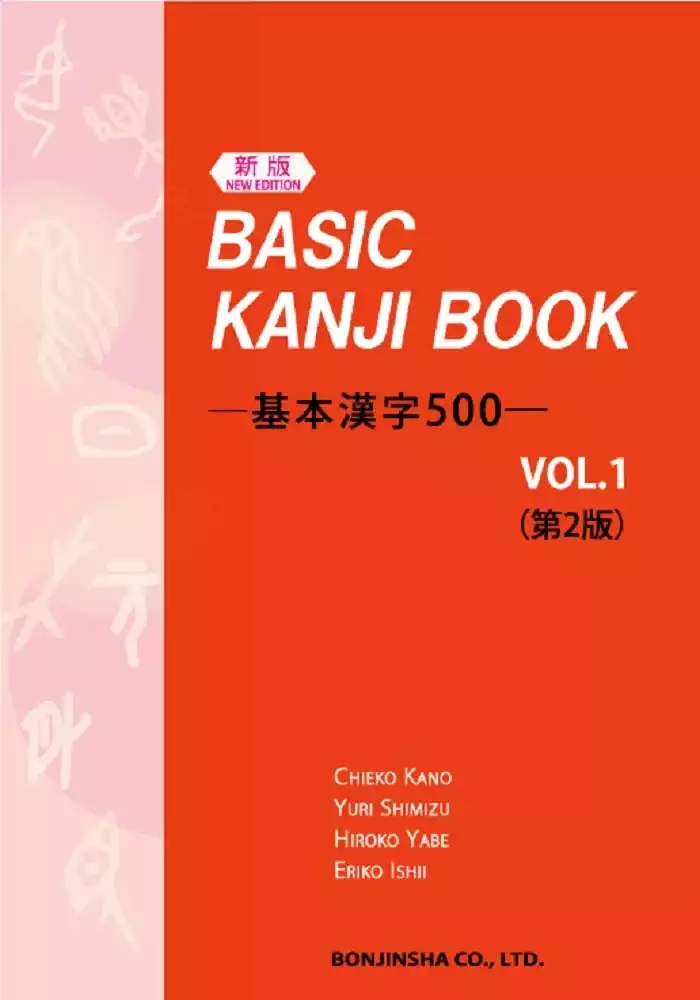
Basic Kanji Book takes the systematic route. It covers 500 fundamental characters with correct stroke order, writing practice, and example words, so you learn each kanji in context.
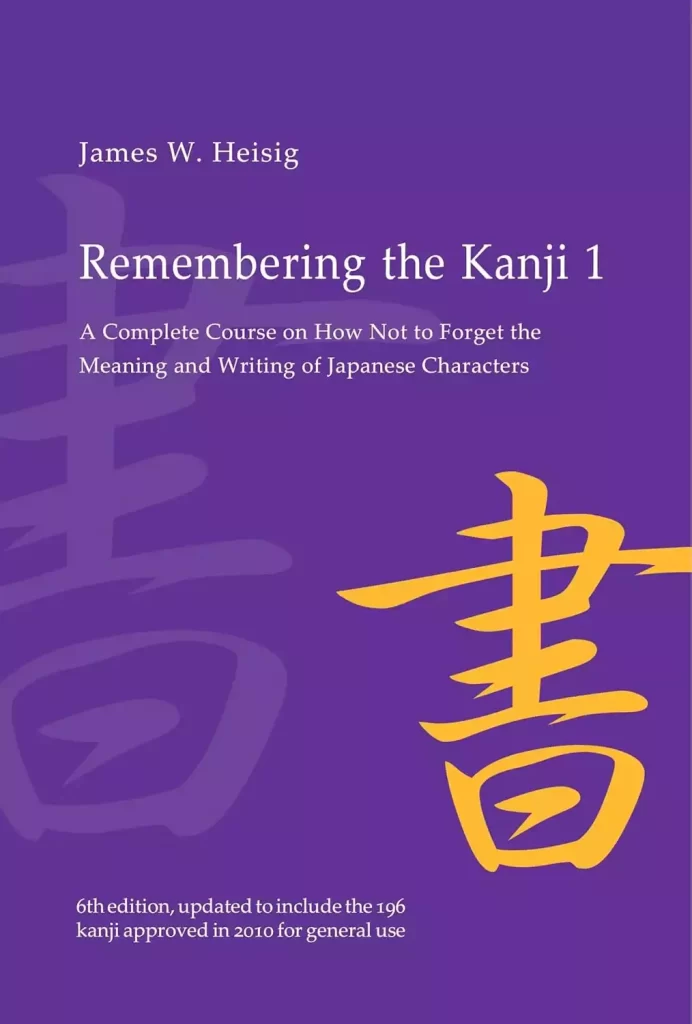
Remembering the Kanji takes the mnemonic route. It teaches you to recognise and write 2,000+ characters through memorable stories, but separates meaning from reading, which you then pick up elsewhere.
Use one of these in parallel with your main book rather than as a replacement. The Basic Kanji Book is the easier fit for most beginners, and it’s the same workhorse that carries learners into JLPT N3 kanji study later on.
Other Highly Rated Beginner Textbooks
Beyond the obvious choices, a few other beginner textbooks earn their place depending on your goal:
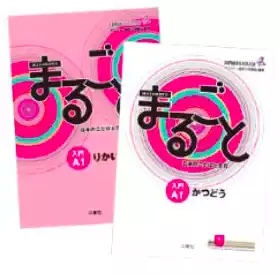
Marugoto focuses on practical, real-life Japanese and is graded on the CEFR scale. It’s the best fit if you’re moving to Japan and want usable communication fast, though it assumes you’ll practise in groups
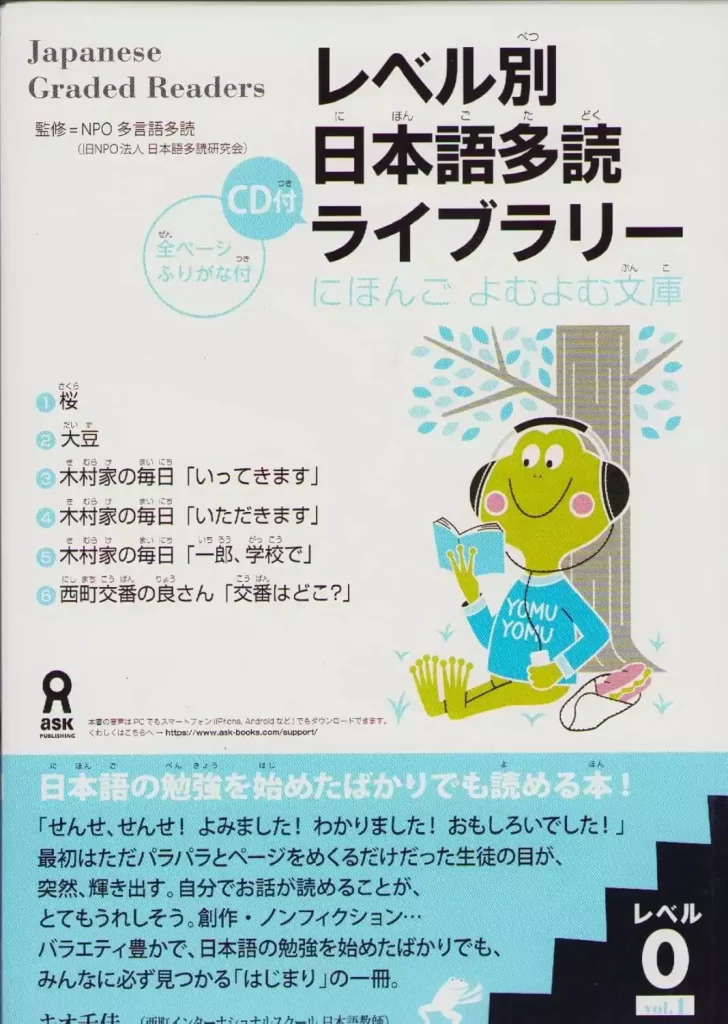
Japanese Graded Readers build reading confidence with simple vocabulary, short stories, and illustrations for context. Once you’ve learned the kana and basic grammar, they turn reading from a chore into something you can actually enjoy.
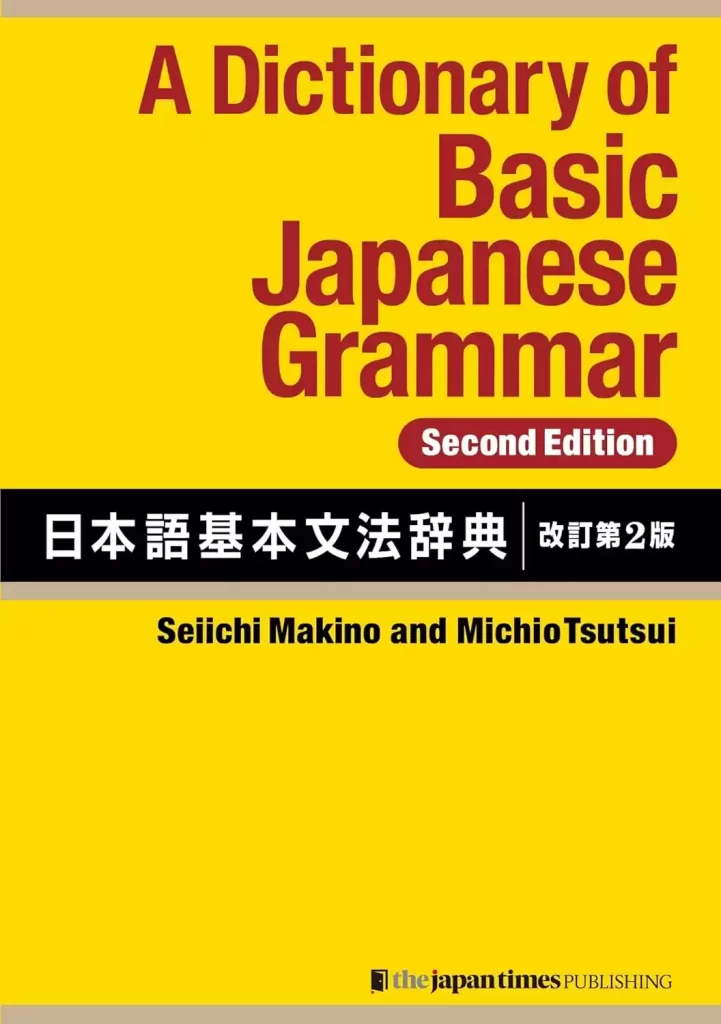
A Dictionary of Basic Japanese Grammar isn’t a course but a reference, and arguably the best second purchase you can make. When your main textbook’s explanation doesn’t click, this clears it up with extra examples.
You don’t need all of these. One main course plus one kanji book and one grammar reference is already a complete, affordable beginner kit.
Choosing Your First Japanese Textbook
The best Japanese learning books are simply the ones you’ll open after a long day. For most self-study beginners, start with Genki, switch to Japanese From Zero if you want a softer ramp, and keep a kanji book running alongside either one. Stay consistent, finish the book, and you’ll reach N4 ready to push toward JLPT N2 with confidence.
If you’d rather not navigate that path alone, the Nihongo Online School pairs these textbooks with live lessons and personalised feedback, so your study time actually turns into progress.