
 English
  Español

Tips for More Effective Studying
Nihongo Online School > Tips for More Effective Studying > How to Learn Japanese as an Adult: Best Methods for Beginners
How to Learn Japanese as an Adult: Best Methods for Beginners

2026/06/20

Director: Kotaro Muramoto
Principal of Nihongo Online School
In September 2019, he founded "Nihongo Online School". Since then, has been teaching Japanese online lessons, with a total of over 1,000 students.
He has designed an individualized curriculum based on student’s needs and study goal. And is conscious of making the classes speech-centered in order to improve students’ speaking skills.
The school asks students to submit homework assignments worth 2 hours per lesson to improve faster. By supporting students with these features, students are able to efficiently improve Japanese language skills.
Learning Japanese as an adult can feel intimidating. You’re busier than a child, and you’ve probably heard it ranks among the hardest languages out there.
The good news for adult beginners: you start with real advantages, and with the right method you’ll progress faster than you expect.
Contents

Is It Possible to Learn Japanese as an Adult?
Learning Japanese as an adult is absolutely possible, the idea that you need a child’s brain is a myth. Adults actually start with strengths kids don’t have. You can analyse grammar patterns, study deliberately, set clear goals, and lean on the vocabulary you’ve already built in your own language.
The one real adjustment is word order. English follows Subject-Verb-Object (“I eat sushi”), while Japanese follows Subject-Object-Verb (“I sushi eat”). Once your brain gets used to expecting the verb at the end, things start to click.
You won’t become a native speaker, and a few sounds may always feel slightly off. But fluency was never about sounding native. Plenty of people reach a solid everyday level well into their 30s, 40s and beyond.
How Hard Is It to Learn Japanese as an Adult?
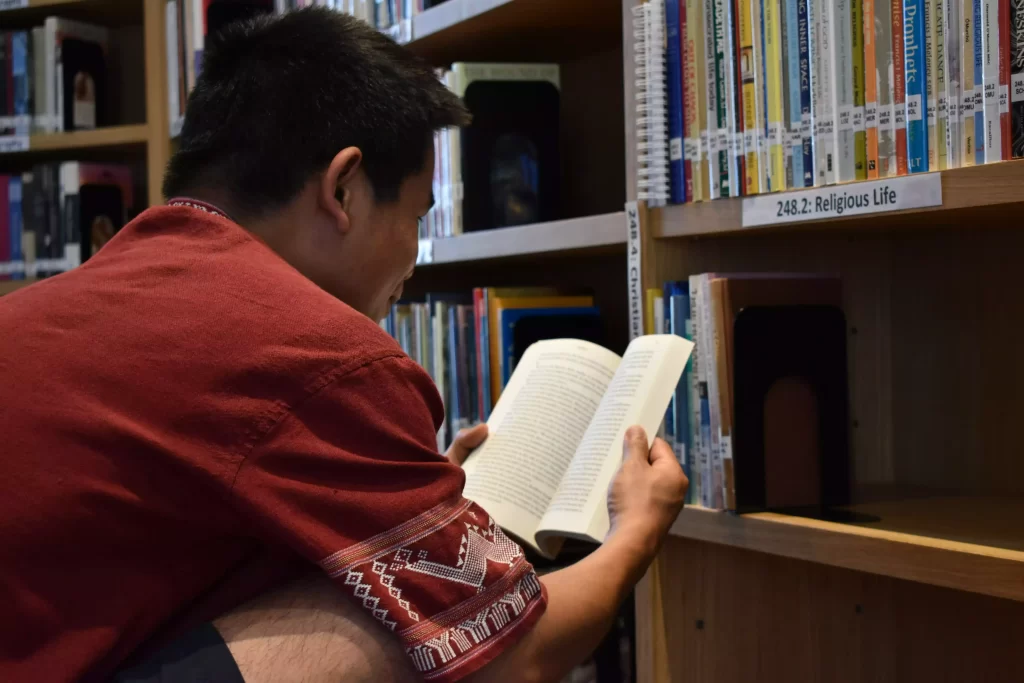
So how hard is it to learn Japanese as an adult, really? Japanese has a reputation as one of the world’s toughest languages, but that reputation is partly undeserved. A few things make it harder at first, and several make it easier than you’d think.
What feels hard early on:
- Your brain is already wired to your first language, so unfamiliar sounds and patterns take more effort to absorb.
- You’ll catch yourself comparing everything to English, wondering why the verb sits at the end or where the plural went.
- Most study sessions start after a long day, when you’re already tired.
- Many adults avoid speaking until they feel “ready”, which quietly slows progress.
What’s easier than expected:
- Japanese has only 46 basic sounds and isn’t tonal like Mandarin, so pronunciation is approachable.
- Nouns have no gender and no plural “s” to memorise.
- Grammar rules are consistent, with very few exceptions.
- Thousands of loan words borrowed from English and written in katakana are already half-familiar.
The steepest parts are the writing systems and word order. Both are learnable with the right approach, which is exactly what the steps below cover.
5 Steps to Start Learning Japanese Later in Life
Starting Japanese later in life works best when you follow a clear order instead of doing everything at once :
- Start with the kana : Begin with hiragana and katakana, the two phonetic sets where each character stands for one syllable. You can lean on romaji at first, but drop it quickly and switch to reading hiragana as soon as you can. It trains your brain to think in Japanese sounds rather than English ones.
- Lock in basic grammar : Once you can read the kana, focus on core grammar and that Subject-Object-Verb order. Solid grammar early on removes the guesswork later and makes everything you read or hear fall into place faster.
- Tackle kanji with a system : Kanji feels overwhelming, but you already have a strong visual memory. A spaced-repetition app and a focus on radicals, the building blocks characters share, make it far more manageable, and it gets easier the more you learn. Our chart of basic kanji for beginners is a good place to start.
- Feed your brain input you can mostly follow : Pick content you understand about 70 to 80% of, like a slow podcast, an easy article, or a beginner-friendly channel. That sweet spot lets you absorb new words and grammar in context without getting lost.
- Speak early and get corrected : Don’t wait until you feel ready. Find a tutor or a language partner who flags your mistakes every time. Those small, regular corrections are what stop bad habits from setting in.
How to Stay Motivated With a Busy Schedule
Staying motivated with a busy schedule is the real challenge for most adult learners.
A few habits keep learners on track:
- Make it a daily habit, even 20 to 30 minutes.
- Swap a time-sink for study. Many busy learners simply traded an hour of scrolling or gaming for Japanese.
- Tie it to something you enjoy, like a manga, a show or a game, so practice feels like a reward rather than a chore.
- Don’t chase perfection, and don’t compare yourself to anyone else’s pace.
- Reassess your method every few months. If something stops working, change it.
Treat it like learning an instrument. You may never join a band, but the steady progress is its own reward.
The Best Way to Learn Japanese as an Adult

There’s no single best way to learn Japanese as an adult. The right choice depends on your budget, where you live, and how much time you have. Most learners pick one of three routes, and the best one is simply the method you’ll actually stick with.
In a Class Near You
A class near you gives you structure and a fixed routine, which helps a lot when motivation dips. You practise with classmates and have a teacher on hand for questions. The trade-off is pace. Group classes move at one speed, so you may feel slightly ahead or behind, and speaking time gets split between everyone. If there’s a Japanese cultural centre nearby, it’s worth checking whether they run beginner courses.
Studying in Japan
Learning Japanese in Japan is the most immersive route, and language schools there welcome plenty of adult students. Free services like Go!Go!Nihon help you find a school and accommodation, and many schools skew toward older learners, with an average age around 30.
One word of caution. Immersion on its own isn’t magic. Many people move to Japan, wrap themselves in an English-speaking bubble of familiar shows and friends, then wonder why their Japanese stalls. The real progress comes from creating chances to produce the language yourself.
Working with a Private Japanese Tutor for Adult Learner
Working with a private tutor is often the best fit for busy adults. One-on-one lessons give you the most speaking time and corrections on every sentence, which is exactly what builds confidence fastest. A good tutor adapts to your level, your goals and your schedule.
This is the approach Nihongo Online School built our private online lessons around. Our structured 150-hour Nihongo Kick Off Course takes complete beginners through to intermediate level (JLPT N5 to N3), with lessons centred on real conversation. You choose your pace, from one to three lessons a week, and missed lessons can be made up when you let us know in advance, which helps when life gets busy.
Complete beginners have reached N4, and one student climbed from N5 all the way to N2. Because lessons are tailored, the course can also prepare you for admission to a language school in Japan later, bridging two of the routes above.
Whichever path you choose, the principle stays the same. Study a little every day, speak as early as you can, and pick the method that keeps you coming back.