
 English
  Español

Tips for More Effective Studying
Nihongo Online School > Tips for More Effective Studying > Study Agriculture in Japan: A Complete Guide for International Students
Study Agriculture in Japan: A Complete Guide for International Students
2026/04/30

Director: Kotaro Muramoto
Principal of Nihongo Online School
In September 2019, he founded "Nihongo Online School". Since then, has been teaching Japanese online lessons, with a total of over 1,000 students.
He has designed an individualized curriculum based on student’s needs and study goal. And is conscious of making the classes speech-centered in order to improve students’ speaking skills.
The school asks students to submit homework assignments worth 2 hours per lesson to improve faster. By supporting students with these features, students are able to efficiently improve Japanese language skills.
Japan is one of the world’s most compelling destinations for agricultural study. It is a country where ancient farming traditions and cutting-edge agricultural science coexist — where centuries-old rice paddies sit alongside some of the most advanced research laboratories in crop science, food biotechnology, and environmental sustainability. For international students with a serious interest in agriculture, food systems, or life sciences, Japan offers academic programs, research environments, and real-world learning opportunities that are genuinely difficult to match elsewhere. This guide covers everything you need to know about studying agriculture in Japan — from the best universities and admission requirements to costs, language considerations, and career prospects.
Contents
- 1 Why Study Agriculture in Japan?
- 2 Top Universities for Agriculture in Japan
- 3 Admission Requirements for International Students
- 4 What to Expect from an Agricultural Program in Japan
- 5 Costs of Studying Agriculture in Japan
- 6 Career Prospects for Agricultural Graduates from Japan
- 7 Preparing to Study Agriculture in Japan: Start with the Language

Why Study Agriculture in Japan?
A Unique Agricultural Landscape
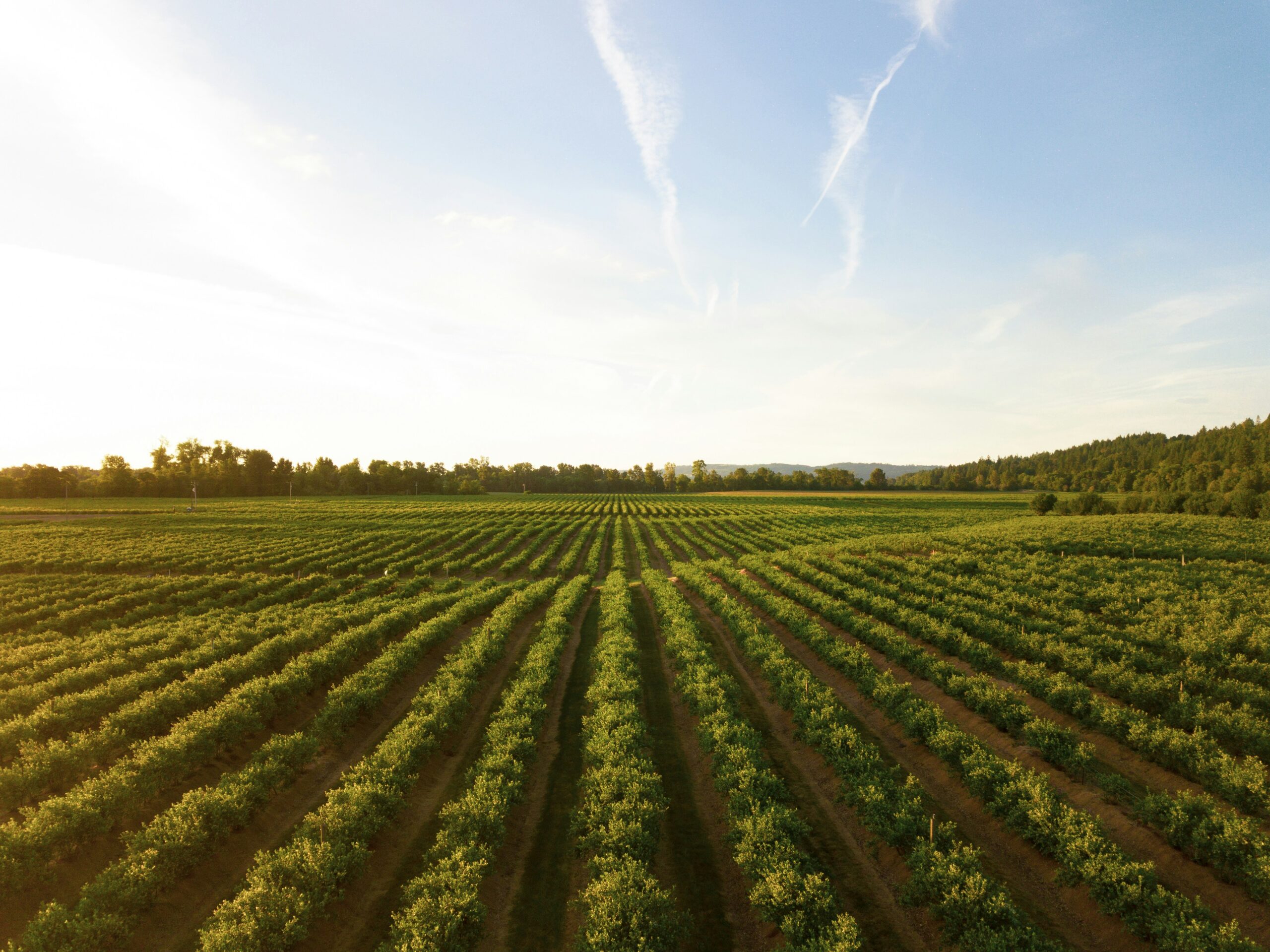
Japan’s geography and climate create one of the most diverse agricultural environments in the world. From the cold-climate farming of Hokkaido — Japan’s largest agricultural island, which produces over 60% of the country’s dairy and a significant portion of its grain — to the subtropical crops of Okinawa, Japan encompasses a remarkable range of agricultural ecosystems within a single country. This diversity gives students hands-on access to farming systems, ecosystems, and research challenges that vary dramatically by region. Studying agriculture in Japan is not an abstract academic exercise; the landscape itself is a living laboratory.
World-Leading Research in Agri-Science
Japanese universities have made internationally recognized contributions to agricultural science, particularly in plant genetics, food biotechnology, aquatic bioscience, precision agriculture, and sustainable food systems. Japan’s response to its own agricultural challenges — aging farming populations, limited arable land, extreme weather events, and food security concerns — has driven innovation that is globally relevant. Research programs at institutions like Hokkaido University, the University of Tokyo, and Kyushu University consistently produce findings that shape international agricultural policy and practice. For students interested in research careers, Japan offers access to laboratories and faculty at the leading edge of the field.
A Gateway to Asia’s Food Systems
Japan occupies a strategically important position in Asia’s food economy. Its sophisticated food processing industry, advanced aquaculture sector, and agricultural trade relationships with China, Southeast Asia, and beyond make it an ideal base for students interested in global food systems, agribusiness, and agricultural development in the Asia-Pacific region. Several English-taught programs at Japanese universities explicitly address global agricultural challenges in developing countries, drawing students from across Asia, Africa, and Latin America. Graduating with research experience from a top Japanese agricultural university opens doors throughout the region in ways that degrees from purely Western institutions often cannot.
Top Universities for Agriculture in Japan
Hokkaido University — Sapporo
Hokkaido University is Japan’s undisputed center of gravity for agricultural study, and its origins are inseparable from the field: it was founded in 1876 as Sapporo Agricultural College, making agriculture the historical core of the institution. Today, the Graduate School of Agriculture at Hokkaido University is one of Japan’s most internationally active agricultural faculties, organized around three research frontiers: Production Sciences, Biosciences, and Environmental Sciences. Hokkaido’s vast agricultural landscape — Japan’s food base — serves as a living research environment, with field stations, experimental farms, and natural ecosystems directly accessible to students. The university also offers the Global Education Program for AgriScience Frontiers, a fully English-taught Master’s and Doctoral program in which all lectures, research work, and thesis writing are conducted in English. Japanese proficiency is not required for this program, making it one of the most accessible entry points for international students seeking a world-class agricultural graduate degree in Japan.
The University of Tokyo — Tokyo
The Graduate School of Agricultural and Life Sciences (GSALS) at the University of Tokyo is one of Japan’s most comprehensive and research-intensive agricultural faculties. It spans 12 departments covering agricultural and environmental biology, applied biological chemistry, biotechnology, forest science, aquatic bioscience, agricultural economics, biological and environmental engineering, biomaterial sciences, global agricultural sciences, ecosystem studies, animal resource sciences, and veterinary sciences. Over 250 international students are currently enrolled in the graduate program. The International Program in Agricultural Development Studies (IPADS), launched in 2010, is fully taught in English and does not require Japanese language proficiency for the Master’s program — making it a particularly attractive option for internationally mobile students focused on agricultural development and food security in a global context. Most other departments at GSALS conduct lectures in Japanese, though doctoral research is increasingly supervised in English.
Tohoku University — Sendai
Tohoku University’s Graduate School of Agricultural Science is a strong research institution with particular expertise in food science, applied marine biology, and environmental agricultural systems. The school offers the International Postgraduate Program in Human Security (IPHS), including the Food & Agriculture for Human Security track, which admits international students and is conducted in English. Tohoku is also notable for its Applied Marine Biology (AMB) course, available entirely in English and particularly relevant for students interested in fisheries science and aquatic food production. The university’s designation as Japan’s first International Research Excellence institution reflects its broad research strength, and its location in Sendai — a mid-sized city with a strong student culture and lower cost of living than Tokyo — makes it a practical and academically serious choice.
Kyushu University — Fukuoka
Kyushu University’s Faculty of Agriculture is one of Japan’s oldest and most respected agricultural faculties, with particular strengths in applied microbiology, food science and technology, and subtropical and tropical agriculture. Its location in Fukuoka — Japan’s most internationally connected city, with strong ties to South Korea, China, and Southeast Asia — gives the faculty a natural regional focus that complements its research agenda. The university’s partnership with the Kyushu Institute of Technology also enables interdisciplinary programs at the intersection of agriculture and engineering. For students interested in Asian food systems, fermentation science, or tropical crop research, Kyushu University offers a regionally distinctive academic environment at one of Japan’s most affordable major cities.
Nagoya University — Nagoya
Nagoya University’s Graduate School of Bioagricultural Sciences covers a broad range of disciplines including plant biology, animal sciences, applied molecular biosciences, and environmental science. As one of Japan’s former imperial universities, it brings significant research prestige and facilities. Nagoya’s strong industrial base in food processing and agricultural biotechnology provides linkages between academic research and industry applications that benefit graduate students interested in careers in the private sector. The university’s international office actively supports research student pathways for overseas applicants, and the city’s relatively low cost of living compared to Tokyo makes it a financially practical choice for multi-year graduate study.
Kyoto University — Kyoto
Kyoto University’s Graduate School of Agriculture covers foundational and applied areas including forest and biomaterials sciences, agricultural biological chemistry, applied genetics, plant nutrition, and environmental studies. Kyoto University has produced more Nobel laureates than any other Japanese institution and carries deep research credibility across the life sciences. For students interested in the intersections of agriculture, ecology, and philosophy of food systems, Kyoto’s broader intellectual environment — one of Japan’s most dense academic communities — provides an unusually rich context. Graduate programs are primarily conducted in Japanese, making language proficiency more important here than at programs like Hokkaido’s English-medium offering.
Admission Requirements for International Students
Academic Qualifications
For undergraduate agricultural programs, international students typically need a secondary school qualification equivalent to Japanese high school graduation, with strong performance in biology, chemistry, and mathematics. Most undergraduate programs are taught in Japanese and require passing the Examination for Japanese University Admission (EJU). Graduate programs at the Master’s level require a bachelor’s degree in a relevant field — agricultural science, biology, chemistry, environmental science, or related disciplines. PhD applicants additionally need a Master’s degree and, in most cases, a confirmed research supervisor willing to sponsor their application before submission. Contacting prospective supervisors early — typically 6–12 months before the application deadline — is strongly recommended and is in some cases a prerequisite.
Language Requirements: English vs Japanese Programs
One of the most important distinctions for international students is whether a target program is taught in English or Japanese. The landscape has improved significantly in recent years:
English-taught programs (no Japanese required):
- Hokkaido University: Global Education Program for AgriScience Frontiers (Master’s/PhD)
- University of Tokyo: International Program in Agricultural Development Studies (IPADS) — Master’s level
- Tohoku University: Food & Agriculture for Human Security (IPHS) and Applied Marine Biology (AMB)
Japanese-taught programs (Japanese proficiency required):
- Most undergraduate programs at all institutions
- Most Master’s programs outside dedicated international tracks
- Doctoral lab environments at most universities (even where lectures may be in English, daily lab communication is typically in Japanese)
Students applying to English-taught programs should provide TOEFL or IELTS scores. Those targeting Japanese-medium programs will need to demonstrate JLPT N2 or higher proficiency. Even students enrolled in English-taught graduate programs are strongly advised to develop working Japanese — lab colleagues, administrative staff, and fieldwork settings will involve Japanese daily.
Application Materials
Standard application requirements across most institutions include: official academic transcripts, a research proposal or statement of purpose, letters of recommendation (typically two to three), a copy of passport, financial documentation, and a health certificate. Some programs require additional entrance examinations or interviews. Application windows typically open in the autumn (October–December) for spring enrollment and in spring (April–June) for autumn enrollment. Check each university’s graduate school website directly, as timelines and requirements vary by program and change annually.
What to Expect from an Agricultural Program in Japan
Breadth of Specializations
Agricultural study in Japan covers a far broader range of disciplines than the term “agriculture” might suggest. Students can specialize in crop science, soil science, food science and nutrition, forest science, aquatic biology and fisheries, agricultural economics and policy, environmental science, biotechnology, animal science, and agri-engineering — often within the same faculty. This interdisciplinary breadth reflects Japan’s approach to agriculture as an integrated system connecting biology, chemistry, engineering, economics, and environmental science. Students are encouraged to engage across departmental lines, and programs like IPADS at Tokyo explicitly span disciplinary and national boundaries.
Fieldwork and Laboratory Research
Japanese agricultural programs place significant weight on hands-on research experience. Graduate students typically spend the majority of their time in laboratory or field research settings rather than classroom instruction. Hokkaido University’s experimental farms and natural ecosystems provide direct field research access in one of Japan’s most diverse agricultural landscapes. University of Tokyo’s research institutes span aquatic systems, forest ecology, and molecular biology. Kyushu’s tropical and subtropical research focus gives students exposure to Asian agricultural environments that are directly relevant to the region’s food security challenges. For students whose goal is to develop genuine research skills — not just academic credentials — Japan’s graduate agricultural programs deliver substantial hands-on depth.
Research Culture and Supervisor Relationships
The relationship between graduate students and their research supervisors (指導教員) is central to the Japanese graduate experience. Supervisors in Japanese universities typically maintain close, ongoing involvement in their students’ research direction, with regular lab meetings, progress reviews, and direct feedback on experimental design and written work. This mentorship model can feel more intensive than the relative independence of Western graduate programs but consistently produces graduates with methodologically rigorous research foundations. Identifying and securing a well-matched supervisor before applying is one of the most important steps an international student can take, and many universities require supervisor confirmation as part of the application process.
Costs of Studying Agriculture in Japan
Tuition Fees
National university tuition in Japan is standardized at approximately ¥535,800 per year for both domestic and international students — one of the most competitive rates among developed nations for programs of this quality. This applies across Hokkaido, Tokyo, Tohoku, Kyushu, Nagoya, and Kyoto. Private universities vary but are generally more expensive; students should verify fees directly with their target institution. An admission fee of approximately ¥282,000 is charged once upon enrollment at national universities and is separate from annual tuition.
Living Costs by City
Agricultural programs are distributed across cities with very different cost profiles. Estimated monthly budgets for students:
| City | University | Est. Monthly Budget |
|---|---|---|
| Tokyo | University of Tokyo | ¥100,000–¥140,000 |
| Kyoto | Kyoto University | ¥65,000–¥95,000 |
| Nagoya | Nagoya University | ¥80,000–¥110,000 |
| Sendai | Tohoku University | ¥70,000–¥100,000 |
| Fukuoka | Kyushu University | ¥60,000–¥90,000 |
| Sapporo | Hokkaido University | ¥70,000–¥95,000 |
Estimates based on shared accommodation, home cooking, and standard transportation. Sapporo heating costs rise significantly in winter months.
Scholarships
The MEXT (Monbukagakusho) Scholarship is the primary government scholarship for international agricultural students in Japan, covering full tuition and providing a monthly stipend of approximately ¥117,000 for research students and ¥144,000 for undergraduate students. Applications typically open in April. JASSO offers supplementary scholarships for exchange and privately financed students. Individual universities also maintain their own scholarship programs — Hokkaido University’s AgriScience Frontiers program, for example, actively supports international students through faculty-linked funding. Researching and applying for scholarships 12–18 months before your intended enrollment date is strongly recommended, as competition is high and deadlines are strict.
Career Prospects for Agricultural Graduates from Japan
Research and Academia
Japan’s agricultural universities are globally connected research institutions, and doctoral graduates regularly move into academic and research careers at universities and institutes across Asia, Europe, and North America. Japan’s reputation in plant science, food biotechnology, aquatic science, and environmental research ensures that a PhD from a leading Japanese agricultural faculty carries genuine international credibility. Post-doctoral opportunities exist within Japan through JSPS (Japan Society for the Promotion of Science) fellowships, and many international graduates remain in Japan’s research ecosystem for several years after graduation.
Industry and Agribusiness
Japan’s food processing, agricultural technology, and agribusiness sectors are among the most sophisticated in the world. Companies like Meiji Holdings, Ajinomoto, Kirin, and a wide range of agri-tech startups actively recruit from top agricultural universities. Graduates with both Japanese language skills and agricultural expertise are particularly valued in roles bridging research and commercial application. For students with an entrepreneurial interest, Japan’s growing precision agriculture and food-tech startup ecosystem — particularly strong in Tokyo and Fukuoka — offers pathways into innovation-driven careers.
Agricultural Development and International Organizations
The IPADS program at the University of Tokyo, and similar internationally focused tracks at Tohoku, specifically prepare graduates for careers in international agricultural development, food policy, and work with organizations like the FAO, World Bank, JICA, and regional development banks. Japan’s substantial overseas development assistance (ODA) in agriculture creates consistent demand for professionals with both technical agricultural expertise and Japan-related regional knowledge. For students motivated by global food security and rural development in Asia and beyond, these career pathways are among the most compelling arguments for agricultural study in Japan.
Preparing to Study Agriculture in Japan: Start with the Language
日本への留学準備を進めているなら、語学力の準備は早ければ早いほど有利です。
Even if you are applying to one of Japan’s English-taught agricultural programs, Japanese language ability will shape the quality of your experience. Lab communication, fieldwork interactions, administrative processes, and daily life in cities like Sapporo, Sendai, or Fukuoka all rely on Japanese. For students targeting Japanese-medium programs — where JLPT N2 is a standard requirement — structured language preparation needs to begin well in advance of the application date.
Nihongo Online School offers a tailored 150-hour kickstart program designed to take you from beginner to a solid intermediate foundation in 3–6 months.
What the Program Includes
The course combines 50 hours of private 1:1 lessons over Zoom with 100 hours of structured homework and study materials. A dedicated instructor stays with each student throughout the program — the same teacher from the first lesson to the last — and lessons are scheduled flexibly around your existing commitments. The curriculum is customized to your goals, not a fixed syllabus, and includes regular conversation practice in scenarios relevant to daily life and academic settings.
A Certificate That Supports Your Application
Upon completion, students receive an official Certificate of Completion confirming 150 hours of Japanese language study — recognized by many Japanese language schools and institutions as foundational proficiency equivalent to JLPT N5. Many Japanese universities recommend or require evidence of 150 hours of prior Japanese study for admission to their programs. For students building toward higher JLPT levels, the certificate documents the first and most important step on that journey.
Track Your Progress with Clear Level Benchmarks
Nihongo Online School measures conversational ability through a 10-step level framework aligned to OPI criteria and JLPT standards, giving students a quantitative picture of their progress at every stage. For students targeting the N2 or N1 level required for Japanese-medium agricultural programs, this structured approach provides both motivation and a realistic roadmap.
Start with a Free Trial Lesson
Not sure where your Japanese currently stands? Nihongo Online School offers a free level check and trial lesson so you can experience the course before committing.