
 English
  Español

Tips for More Effective Studying
Nihongo Online School > Tips for More Effective Studying > Best Places to Study Abroad in Japan: A Complete City-by-City Guide
Best Places to Study Abroad in Japan: A Complete City-by-City Guide

2026/04/30
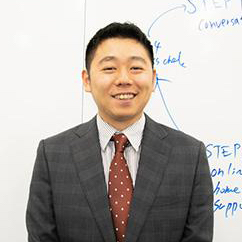
Director: Kotaro Muramoto
Principal of Nihongo Online School
In September 2019, he founded "Nihongo Online School". Since then, has been teaching Japanese online lessons, with a total of over 1,000 students.
He has designed an individualized curriculum based on student’s needs and study goal. And is conscious of making the classes speech-centered in order to improve students’ speaking skills.
The school asks students to submit homework assignments worth 2 hours per lesson to improve faster. By supporting students with these features, students are able to efficiently improve Japanese language skills.
Japan consistently ranks among the world’s top study abroad destinations. With world-class universities, a one-of-a-kind cultural landscape, and one of the safest living environments on the planet, it offers international students an experience that is both academically rigorous and personally transformative. But with over 800 universities spread across dozens of cities, choosing where to study is one of the most important decisions you’ll make. This guide breaks down the best places to study abroad in Japan so you can find the city that fits your goals, budget, and lifestyle.
Contents
- 1 Why Study Abroad in Japan?
- 2 Tokyo — The Cosmopolitan Hub for International Students
- 3 Kyoto — Where Tradition Meets Academic Excellence
- 4 Osaka — Vibrant City Life at an Affordable Price
- 5 Fukuoka — The Rising Star for Budget-Conscious Students
- 6 Sapporo — Nature, Snow, and Immersive Japanese Living
- 7 Nagoya — Industry, Culture, and Balanced Student Life
- 8 How to Choose the Right City for Your Goals
- 9 Practical Tips: Visas, Scholarships, and Getting Started
- 10 Final Verdict
- 11 Before You Go: Build Your Japanese Foundation Online

Why Study Abroad in Japan?
Academic Quality and Global Recognition
Japan’s higher education system carries genuine international weight. The University of Tokyo ranks in the global top 30 (QS 2025), and institutions like Kyoto University, Osaka University, and Waseda University appear consistently in world rankings. Across fields — engineering, medicine, humanities, business — Japanese universities combine research depth with increasingly accessible English-taught programs designed for international students. A degree or exchange credit from a Japanese institution is a credential that stands out globally, particularly for careers with Asia-facing scope.
A Culture Unlike Anywhere Else
Studying in Japan means absorbing a living culture — not just observing it from a distance. Ancient temples share city blocks with neon-lit entertainment districts. Traditional tea ceremonies and ikebana coexist with cutting-edge anime and gaming culture. More than 300,000 international students choose Japan annually, drawn by this layered cultural richness. Whether your interest lies in classical arts, contemporary pop culture, cuisine, or philosophy, daily life in Japan will teach you things no classroom alone could replicate.
Safety, Infrastructure, and Quality of Life
Japan is one of the safest countries in the world, with extremely low crime rates across all major cities. Its public transportation network is renowned for punctuality and coverage, making it easy to navigate between campuses, neighborhoods, and cities. All international students enroll in National Health Insurance at around ¥2,000 per month, covering 70% of most medical expenses. These structural advantages let students focus on learning rather than logistics — a practical edge that makes Japan as liveable as it is culturally compelling.
Tokyo — The Cosmopolitan Hub for International Students
Universities and Academic Programs
Tokyo is home to 185 universities and colleges — more than any city in the world — and hosts over 110,000 international students. The University of Tokyo (Todai) leads Japan’s academic hierarchy, offering English-taught undergraduate programs through its PEAK initiative and a wide range of graduate options. Waseda, Keio, Tokyo Institute of Technology, and International Christian University (ICU) round out a remarkable concentration of top-tier institutions. For language students, Tokyo’s dozens of accredited Japanese language schools offer intensive courses from absolute beginner to advanced levels, with flexible program lengths.
Student Life and Cultural Opportunities
Life in Tokyo as a student is defined by inexhaustible variety. Distinct neighborhoods — Shibuya, Shimokitazawa, Akihabara, Yanaka — each carry their own personality, offering students access to radically different sides of Japanese urban life within a single city. World-class museums, live music, international food, and a 24-hour entertainment culture make Tokyo endlessly stimulating. The flip side is that Tokyo’s large international community can make it easy to avoid Japanese-language environments, which can slow language acquisition for students who don’t make a conscious effort to immerse.
Cost of Living in Tokyo
Tokyo is the most expensive city in Japan for students. Monthly living costs range from ¥100,000 to ¥140,000 and can go higher depending on accommodation and lifestyle. University dormitories (¥20,000–¥50,000/month) offer the most affordable option, while private studio apartments in central areas run ¥60,000–¥120,000. Food and entertainment add up quickly. Tokyo rewards students who prioritize academic prestige, career networking, and cultural intensity — but it demands careful financial planning from day one.
Kyoto — Where Tradition Meets Academic Excellence
A City Built for Deep Cultural Immersion
Kyoto is Japan’s cultural capital, and for students with genuine interest in Japanese history, religion, architecture, or traditional arts, it is arguably the most rewarding city in the country. Over 2,000 temples and shrines — including UNESCO World Heritage Sites like Kinkaku-ji and Fushimi Inari — form the backdrop of daily student life. The city’s preserved machiya townhouses, seasonal festivals, and living craft traditions create an environment where cultural learning happens constantly, even outside the classroom. Kyoto’s slower pace also makes it a meaningfully less stressful alternative to Tokyo.
Top Universities in Kyoto
Kyoto University (Kyodai) is Japan’s second-ranked institution and has produced more Nobel laureates than any other Japanese university, with particular strengths in science, medicine, and liberal arts. With 38 universities and colleges serving around 150,000 students in a city of 1.5 million, Kyoto has one of the highest student density ratios in Asia. Doshisha University and Ritsumeikan University are strong private alternatives, particularly for humanities and social sciences. The city’s dense academic ecosystem makes collaborative research, joint lectures, and interdisciplinary events a natural part of student life.
Cost and Lifestyle in Kyoto
Kyoto is more affordable than Tokyo, with monthly student budgets typically ranging from ¥65,000 to ¥95,000. Kyoto University dormitories are among the cheapest in Japan at ¥15,000–¥20,000 per month, making frugal living genuinely viable. The main tradeoff is a thinner part-time job market — tourism-related work exists but peaks seasonally in spring and autumn. Kyoto suits students who prioritize deep academic focus, cultural engagement, and a manageable city over nightlife and career networking.
Osaka — Vibrant City Life at an Affordable Price
Japan’s Food and Culture Capital
Osaka is Japan’s kitchen (日本の台所) and one of its most energetic cities. Famous for takoyaki, okonomiyaki, and a thriving street food culture, Osaka gives students constant access to some of Japan’s best cuisine at accessible prices. Districts like Dotonbori, Namba, and Shinsekai are among the most distinctive urban environments in the country. Osaka residents have a well-known reputation for warmth and directness that makes the social adjustment process feel noticeably easier for international students arriving without strong Japanese language skills.
Academic Institutions in Osaka
Osaka University (Handai) is a leading national institution with particular strengths in science, engineering, and medical research, hosting a growing number of English-medium programs. The broader Kansai region — which places Kyoto and Kobe within 30 minutes by train — forms one of Asia’s densest academic clusters, giving Osaka-based students access to a wide range of institutions without relocation. Strong industry connections in manufacturing, retail, and international trade also make Osaka practical for students building toward Japan-facing careers in business or commerce.
Why Osaka Offers the Best Value
Osaka delivers comparable academic and cultural opportunities to Tokyo at roughly 70–80% of the cost. Monthly living expenses typically range from ¥70,000 to ¥100,000. Rent is lower, food is abundant, and the transportation network is extensive. Excellent shinkansen connections to Tokyo mean students can access the capital easily while keeping day-to-day costs down. For students who want the full urban study abroad experience in Japan without stretching their budget, Osaka offers the strongest overall value proposition.
Fukuoka — The Rising Star for Budget-Conscious Students
Why Fukuoka Is Growing in Popularity
Fukuoka, on Kyushu island’s northern coast, has quietly become one of Japan’s most liveable and internationally welcoming cities. Its compact layout puts the airport, main train station, and city center within minutes of each other. A warm climate, low cost of living, and genuinely open attitude toward international residents have made it increasingly popular among students who want deep immersion without Tokyo’s density or expense. A growing startup ecosystem and expanding English-friendly infrastructure make it particularly attractive to students with entrepreneurial or tech interests.
Universities and Language Schools
Kyushu University is the flagship national institution and one of Japan’s top research universities, with strengths in engineering, environmental science, and international studies. Fukuoka University and Seinan Gakuin University offer active exchange programs. For language students specifically, Fukuoka’s schools — including the well-regarded Genki JACS campus — provide a strong learning environment in a city where the lower density of English speakers naturally pushes students toward Japanese in daily interactions, accelerating conversational fluency faster than more internationalized cities often allow.
Cost of Living in Fukuoka
Fukuoka is one of the most affordable major cities in Japan, with monthly student budgets ranging from ¥60,000 to ¥90,000. Rent in shared apartments averages ¥30,000–¥50,000, and the city’s food scene is exceptional at every price point — Hakata ramen, fresh seafood, and vibrant izakaya culture are accessible without breaking the budget. The annual cost difference versus Tokyo can approach ¥480,000 — nearly the equivalent of one year’s tuition at a national university. For budget-conscious students, Fukuoka consistently delivers the highest value per yen in Japan.
Sapporo — Nature, Snow, and Immersive Japanese Living
A City for Students Who Want Authenticity
Sapporo, capital of Hokkaido, offers an experience unlike the rest of this list. Known for its world-famous Snow Festival, powder-snow skiing, and spectacular natural surroundings, it suits students who want to combine serious language study with outdoor adventure. With fewer foreign residents per capita than Japan’s southern cities, Sapporo creates consistent pressure to communicate in Japanese from day one — a natural immersion advantage that is difficult to replicate in Tokyo’s international bubble. Mild summers free from humidity and typhoons add a further quality-of-life appeal.
Hokkaido University and Academic Life
Hokkaido University is one of Japan’s imperial universities, historically prestigious and internationally recognized for research in agriculture, veterinary science, environmental studies, and life sciences. Its campus is famously beautiful — a long poplar-lined avenue and botanical gardens that attract visitors year-round. For language students, Sapporo’s dialect is mild and close to standard Japanese, making it one of the cleaner linguistic environments for learners building textbook-accurate fluency before progressing to more regionally varied speech.
Living Costs and Seasonal Life
Monthly student expenses in Sapporo average around ¥93,000 according to JASSO data — competitive with Osaka and well below Tokyo. Rent, food (Hokkaido is nationally famous for fresh dairy, seafood, and produce), and daily transportation are all affordable. The primary consideration is winter: heavy snowfall from December through March and sub-zero temperatures push heating costs noticeably higher. Students who embrace the season — world-class skiing and the Snow Festival — find Hokkaido winter a highlight rather than a hardship.
Nagoya — Industry, Culture, and Balanced Student Life
Japan’s Industrial Heartland
Nagoya is Japan’s fourth-largest city and the center of its automotive and manufacturing industry — headquarters of Toyota, Mitsubishi, and dozens of major corporations. For students with interests in engineering, business, or international trade, Nagoya’s industry connections create networking and internship pathways that few Japanese cities can match. Often overlooked in favor of the Tokyo-Osaka-Kyoto corridor, Nagoya’s relative obscurity among international students translates into more genuine immersion, less competition for part-time work, and a local culture known for being industrious and deeply traditional.
Universities and Study Programs
Nagoya University is a former imperial university with a Nobel Prize-winning research legacy, particularly strong in science, engineering, and medicine. Nanzan University operates the Center for Japanese Studies (CJS), one of Japan’s most respected dedicated Japanese-language programs, with established partnerships with numerous U.S. universities through IES Abroad. For students pursuing Japanese area studies or intensive language certification, the CJS Nanzan program is consistently recommended by study abroad alumni as one of the most structured and effective options in the country.
Cost of Living and Balance
Nagoya sits comfortably in the mid-range of Japanese cities, with monthly student costs typically between ¥80,000 and ¥110,000. More affordable than Tokyo, more urban than Fukuoka, it offers reliable public transport, a historically significant cultural scene (Nagoya Castle, traditional performing arts), and real career-relevant access to Japan’s industrial core. Students who want a serious, well-balanced city that rewards those willing to look beyond the obvious choices will consistently find Nagoya underrated.
How to Choose the Right City for Your Goals
Matching City to Priorities
The right city depends on what matters most to you. For academic prestige and career networking, Tokyo is unmatched. For cultural depth and research, Kyoto. For urban energy at lower cost, Osaka. For budget immersion, Fukuoka. For nature and language authenticity, Sapporo. For engineering and industry access, Nagoya. If language acquisition is your primary goal, prioritize cities with smaller English-speaking communities — Fukuoka, Sapporo, and Nagoya consistently outperform Tokyo for immersion quality because daily life leaves fewer escape routes from Japanese.
Monthly Budget at a Glance
| City | Est. Monthly Budget |
|---|---|
| Tokyo | ¥100,000–¥140,000 |
| Osaka | ¥70,000–¥100,000 |
| Kyoto | ¥65,000–¥95,000 |
| Nagoya | ¥80,000–¥110,000 |
| Fukuoka | ¥60,000–¥90,000 |
| Sapporo | ¥70,000–¥95,000 |
Based on shared apartment, home cooking, standard transportation. Sapporo figures rise in winter months.
Practical Tips: Visas, Scholarships, and Getting Started
Student Visa Process
Students planning to stay more than 90 days need a student visa. The process starts after your institution issues a Certificate of Eligibility (COE), which they typically handle on your behalf. Once received, you apply at your nearest Japanese consulate — processing generally takes 1–3 weeks. Begin the process at least 3–4 months before your intended start date. Under a student visa with a work permit, part-time work is allowed up to 28 hours per week during term and full-time during designated school holidays.
Scholarships and Financial Aid
The MEXT (Monbukagakusho) Scholarship is the most comprehensive option, offered by the Japanese government and covering tuition, living expenses, and sometimes travel. JASSO administers the Monbukagakusho Honors Scholarship for privately financed students, providing a monthly stipend of ¥48,000. Most major universities offer their own merit-based and exchange-based aid programs on top of these national schemes. Research scholarship eligibility at least a year before your intended departure — many deadlines fall 10–12 months in advance, and early preparation significantly improves your chances of securing support.
Finding Accommodation
Submit housing applications immediately upon receiving your acceptance letter — university dormitories fill quickly. If dorms are unavailable, managed share houses through platforms like Sakura House and GaijinPot Housing offer flexible leases without the upfront key money (non-refundable deposit) often required in traditional private rentals. Having support from your university’s international office for lease negotiations is helpful, particularly in smaller cities where landlords may have limited experience with international tenants.
Final Verdict
Japan’s best study abroad cities each serve a different type of student. Tokyo for prestige and intensity. Kyoto for culture and research. Osaka for value and energy. Fukuoka for affordability and immersion. Sapporo for nature and authenticity. Nagoya for industry access and balance. No matter which you choose, studying abroad in Japan is an experience that consistently exceeds expectations — and one you’ll draw on for the rest of your life.
Before You Go: Build Your Japanese Foundation Online
Most Japanese language schools and universities require proof of at least 150 hours of Japanese study before admission. If you’re starting from zero, Nihongo Online School offers a tailored 150-hour kickstart program designed to get you there in 3–6 months.
What the Program Includes
The course combines 50 hours of private 1:1 lessons over Zoom with 100 hours of structured homework and study materials. Every lesson is taught by a dedicated instructor who stays with you from start to finish — no rotating teachers. Lessons are scheduled around your availability and customized to your goals, not a fixed curriculum.
A Certificate That Opens Doors
Upon completion, you receive an official Certificate of Completion confirming 150 hours of Japanese language study — the same credential many Japanese institutions require for enrollment. It’s recognized as equivalent proof to JLPT N5, and it removes one of the most common barriers students face when applying to study abroad in Japan.
Start with a Free Trial Lesson
Not sure where your Japanese currently stands? Nihongo Online School offers a free level check and trial lesson so you can experience the course before committing. [Apply for your free trial lesson here.