
 English
  Español

Tips for More Effective Studying
Nihongo Online School > Tips for More Effective Studying > Can I study in Japan without knowing Japanese?
Can I study in Japan without knowing Japanese?

2026/02/21

Director: Kotaro Muramoto
Principal of Nihongo Online School
In September 2019, he founded "Nihongo Online School". Since then, has been teaching Japanese online lessons, with a total of over 1,000 students.
He has designed an individualized curriculum based on student’s needs and study goal. And is conscious of making the classes speech-centered in order to improve students’ speaking skills.
The school asks students to submit homework assignments worth 2 hours per lesson to improve faster. By supporting students with these features, students are able to efficiently improve Japanese language skills.
Studying in Japan without knowing Japanese is possible, but most pathways require at least a foundational level of the language.
This article covers what each option actually requires, from university admission and language school prerequisites to programs that require no prior Japanese knowledge.
Contents

Do you need to know Japanese to study in Japan?
Whether you need to know Japanese to study in Japan depends on the type of program you are targeting. Language school, university degree, and exchange programs each have different requirements.
Can I go to university in Japan without knowing Japanese?
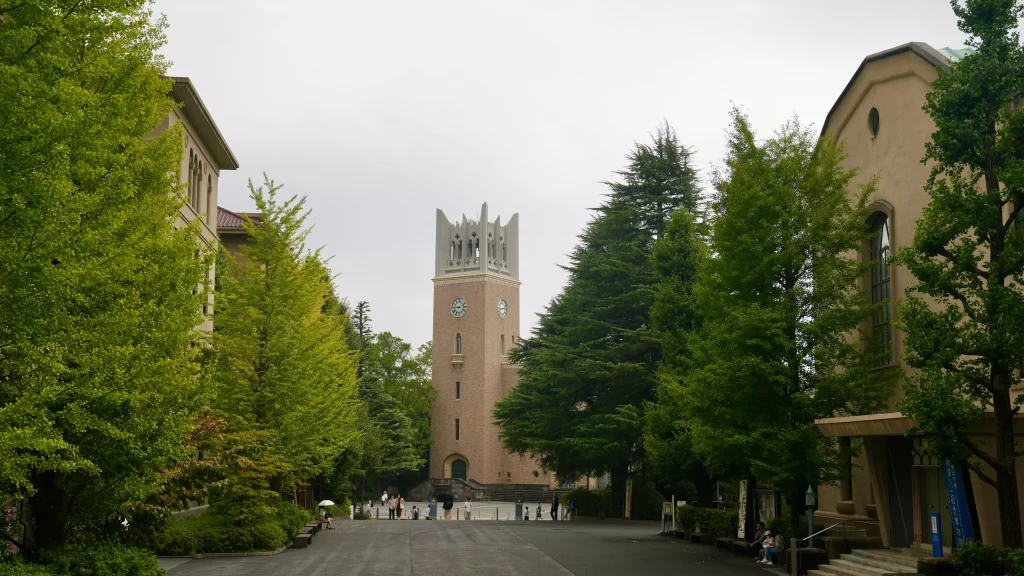
Attending university in Japan without any knowledge of Japanese is generally not realistic for standard degree programs. Most courses are taught in Japanese, and admission often requires a JLPT N1 or N2 level.
Some universities offer specialized pathways designed for international students that do not require prior Japanese proficiency. Entry requirements and available fields of study vary widely between institutions, so it is important to research each university’s programs and criteria individually.
Can I go to a language school in Japan with no Japanese?
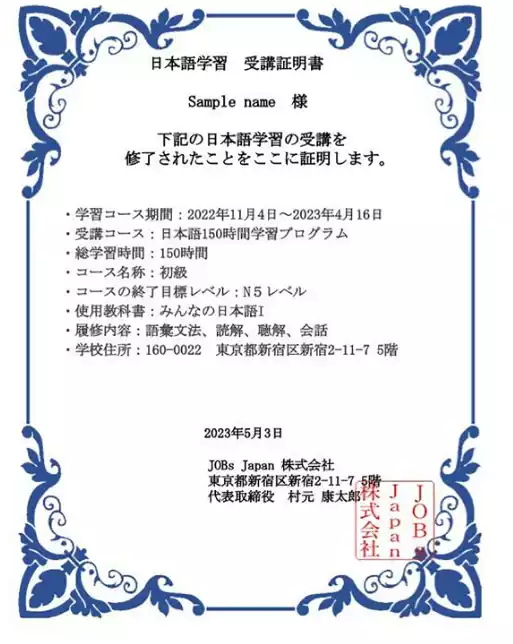
Applying to a language school involves certain requirements, including a minimum level of Japanese. program. The Japanese Immigration Bureau typically requires to fullfill the 150-hour Japanese requirement in order to issue a student visa. This must be supported by an official certificate from a recognized language program.
This requirement can also be met through a recognized proficiency certificate:
- JLPT N5 or N4
- BJT score of 300 or above
- NAT-TEST Level 5 certification
- STBJ score of 350 or above
Do you need to speak Japanese to study in Japan?
Speaking Japanese is not a formal requirement for every study program in Japan. However, your spoken level affects your academic performance, your daily life, and your prospects after graduation. This section explains why, and what level of spoken Japanese is actually useful in practice.
Speaking Japanese expands your possibilities
Speaking Japanese expands your possibilities well beyond what any English-taught program can offer. In the classroom, students with conversational Japanese follow lectures more easily, participate more fully in group work, and engage more naturally with Japanese-speaking peers.
Outside the classroom, basic Japanese is necessary for most day-to-day situations: administrative tasks, part-time work, and building genuine relationships with local students. After graduation, employers in Japan consistently favor candidates with functional communication skills over those who hold only a test certificate.
The difference between speaking ability and JLPT level
The difference between speaking ability and JLPT level is something many learners discover too late. Treating your JLPT score as a proxy for speaking ability leads to unrealistic expectations.
At our school, we assess conversational ability on a separate 10-level scale based on what learners can actually do in real interactions. Here is what each stage looks like in practice:
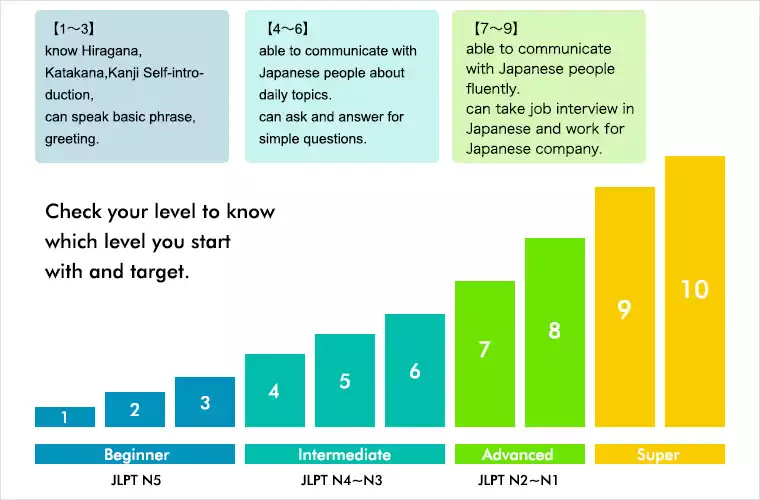
Progressing one conversation level requires approximately 50 to 75 lesson hours of consistent practice.
How to start studying in Japan with zero Japanese
Starting to study in Japan with zero Japanese requires preparation well before departure. The options below cover the main pathways, from structured online preparation to university programs with international support.
The 150-hour kick-off program
The 150-hour study requirement is the first concrete step for anyone targeting a Japanese language school in Japan. It is a mandatory prerequisite for your student visa and cannot be bypassed.
Online Japanese courses are the most practical way to fulfil this requirement:
- flexible scheduling
- no relocation needed
- accredited programs issue the certificate required for your visa application
Our online Japanese course with a certificate of completion, includes 150 hours of study, taking you from zero to an N5-equivalent level. The curriculum covers hiragana, katakana, foundational grammar, and basic conversation, with a focus on practical communication.
International programs taught in English
International programs taught entirely in English exist at several leading Japanese universities, offering a direct entry route for students with no prior Japanese study.
Waseda University, the University of Tokyo, Kyoto University, Ritsumeikan Asia Pacific University, and Tohoku University all offer established English-taught programs across disciplines including business, engineering, environmental studies, and international relations. Japanese language classes are generally integrated into the curriculum once enrolled.
Scholarships for international students in Japan

Scholarships for international students in Japan are available through several channels and cover a wide range of study situations. Many of these scholarships do not require prior Japanese proficiency, particularly for English-taught programs.
The Japanese MEXT Scholarship, funded by the Japanese government, covers tuition, living expenses, and return flights. The JASSO scholarship to fund your studies in Japan provides a monthly living allowance for exchange students and is typically applied for through the host university. Most Japanese universities also offer merit-based scholarships for international applicants.