
 English
  Español

Tips for More Effective Studying
Nihongo Online School > Tips for More Effective Studying > 12 Best Websites to Learn Japanese in 2026 (Free & Paid)
12 Best Websites to Learn Japanese in 2026 (Free & Paid)

2026/06/22

Director: Kotaro Muramoto
Principal of Nihongo Online School
In September 2019, he founded "Nihongo Online School". Since then, has been teaching Japanese online lessons, with a total of over 1,000 students.
He has designed an individualized curriculum based on student’s needs and study goal. And is conscious of making the classes speech-centered in order to improve students’ speaking skills.
The school asks students to submit homework assignments worth 2 hours per lesson to improve faster. By supporting students with these features, students are able to efficiently improve Japanese language skills.
The best website to learn Japanese isn’t one universal winner.
The learners who progress fastest pick one site per skill and use them together, which is why this guide groups the best websites to learn Japanese by what you actually need, from paid beginner sites to online schools where a teacher corrects you live.
Contents

Best Websites to Learn Japanese for Beginners (Paid)
The best websites to learn Japanese for beginners on a paid plan give you structure and a clear order to follow.
WaniKani
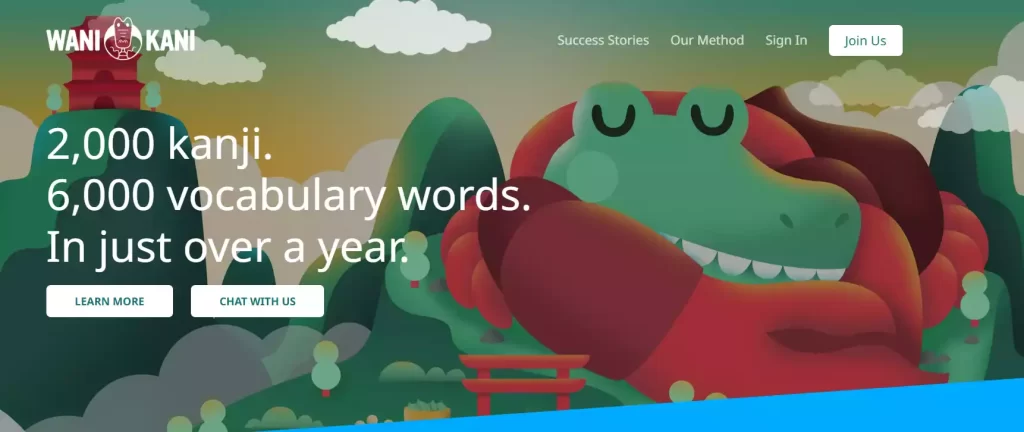
WaniKani is the standard for kanji. It teaches around 2,000 kanji and 6,000 vocabulary words using mnemonics and spaced repetition, unlocking new characters only once you’ve learned the earlier ones. The first three levels are free, so you can test the system. It covers kanji only, so use it once you can already read kana.
Bunpro
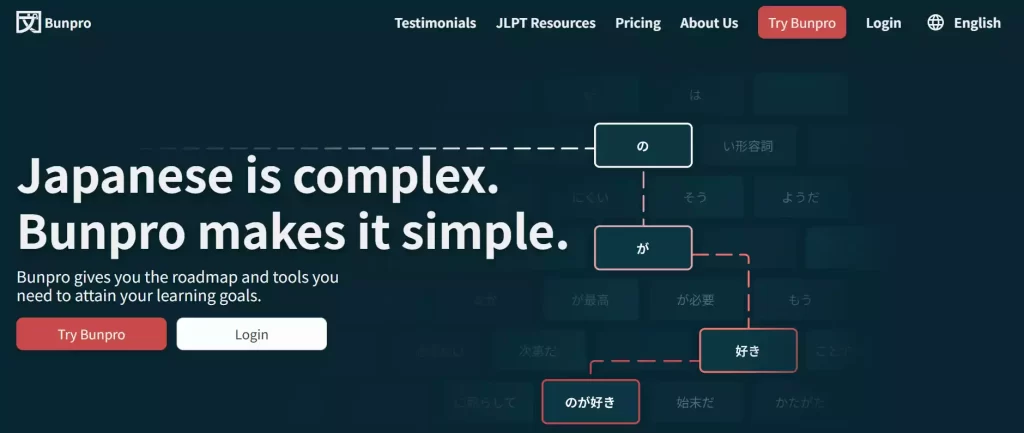
Bunpro does the same job for grammar. It drills every grammar point from N5 to N1 with fill-in-the-blank sentences, which forces you to produce the right form instead of just recognizing it. It works best as a review tool next to a fuller explanation.
JapanesePod101

JapanesePod101 is built around audio. It offers hundreds of podcast-style lessons sorted by level, each with a native-speaker dialogue, a vocabulary list, and a transcript. It fits naturally into a commute and is strong for listening, less so for writing.
Satori Reader
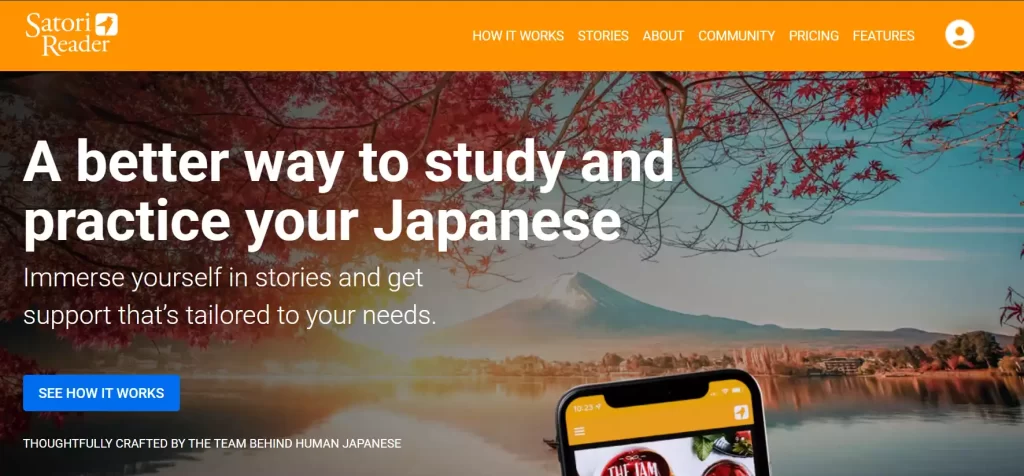
Satori Reader bridges the painful gap between textbook Japanese and real text. It gives you graded stories with inline grammar notes, a context-aware dictionary, and audio for every sentence. It suits upper-beginner learners who can read basic kana. If you’re studying toward the exam, pair it with the right textbooks for the JLPT N5 and a clear JLPT N5 study guide.
Free Websites to Learn Japanese from Scratch
Free websites to learn Japanese from scratch can take a complete beginner a surprisingly long way, especially for grammar and reading.
Imabi
Imabi goes deeper. With more than 400 detailed sections, it covers beginner grammar through native-level points most textbooks skip. It’s text-heavy and academic, so it shines as a place to dig into the “why” behind a rule.
NHK News Web Easy
NHK News Web Easy turns real news into reading practice. Articles use simplified Japanese with furigana over the kanji, short sentences, and audio for most stories. Start once you know your kana and a few hundred words, and lean on more reading practice resources for beginners as you build speed.
The Japan Foundation’s free courses
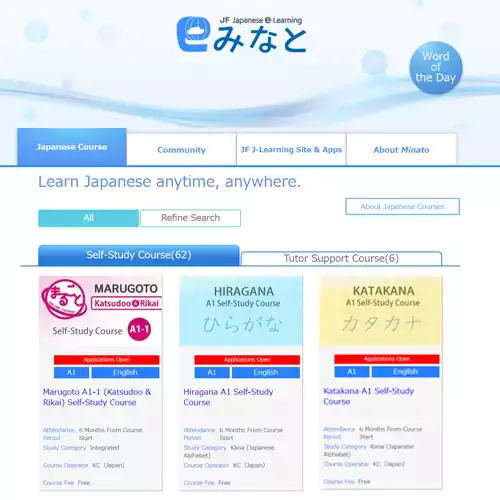
The Japan Foundation’s free courses are an underused gem. Marugoto Plus, Irodori, and the Minato e-learning platform are government-backed, beginner-friendly, and cover practical daily-life Japanese with video, audio, and quizzes. They give you a structured path without a subscription.
Hirogaru
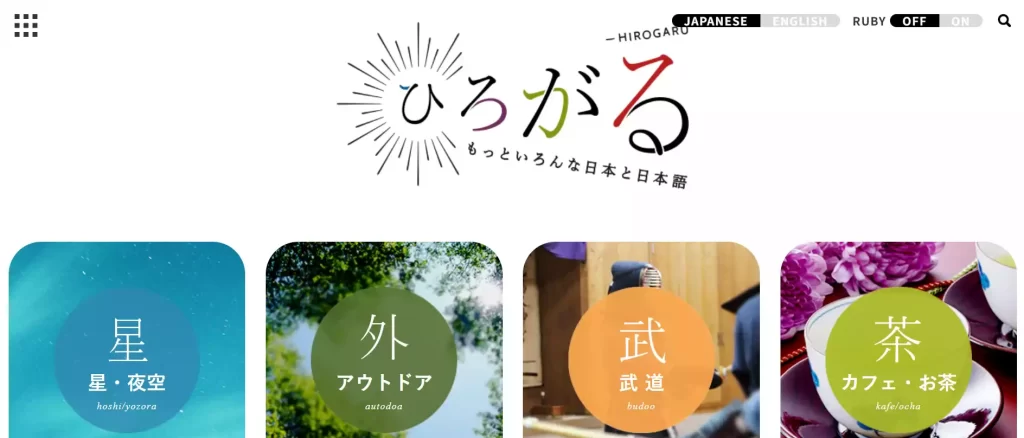
Hirogaru lets you learn Japanese through your own interests. It organizes content around topics like food, martial arts, and calligraphy, with videos and simple articles aimed at A1 to A2 learners who want enjoyable input.
Best Sites to Learn About Japanese Culture
The best sites to learn about Japanese culture connect the language to how people actually live, which makes everything you study stick better.
Tofugu
Tofugu is the most reputable name here. Since 2007 it has published well-written articles on grammar, vocabulary, and culture, from etiquette and holidays to secondhand shopping and Japanese art. It’s free, deep, and easy to lose an afternoon in.
NHK World “Easy Japanese”
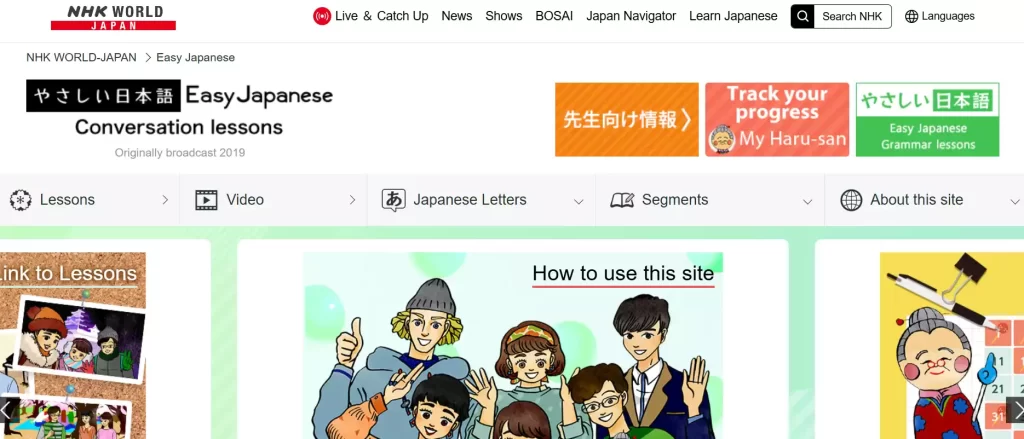
NHK World “Easy Japanese” pairs language lessons with cultural context through animations and audio, and supports many interface languages. It’s a clean, official way for beginners to pick up daily-life Japanese alongside the customs behind it.
Matcha
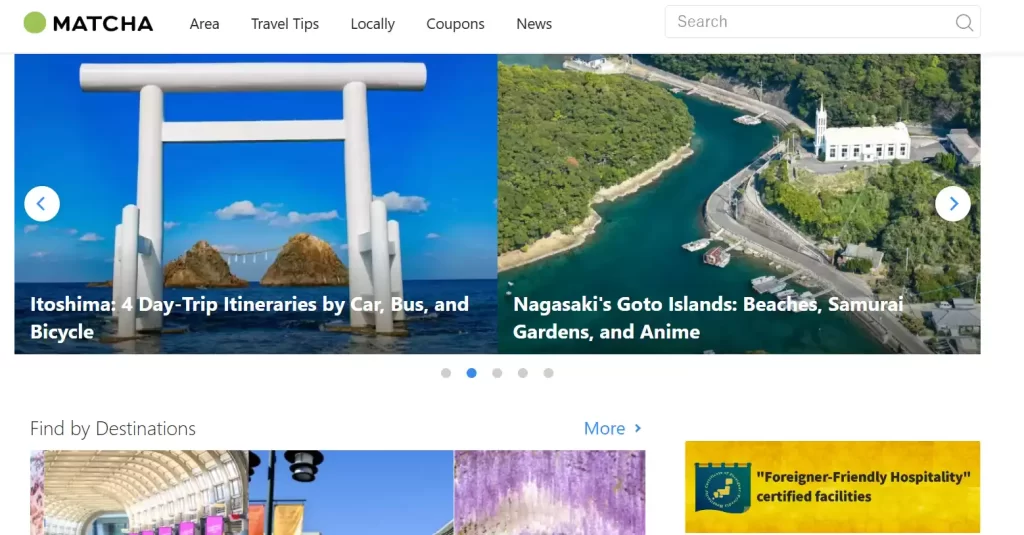
Matcha is a travel and culture magazine with articles in both Japanese and English. Topics cover food, festivals, and daily life across Japan, so upper-beginner and intermediate learners can build reading stamina on subjects they actually enjoy.
Erin’s Challenge! I Can Speak Japanese
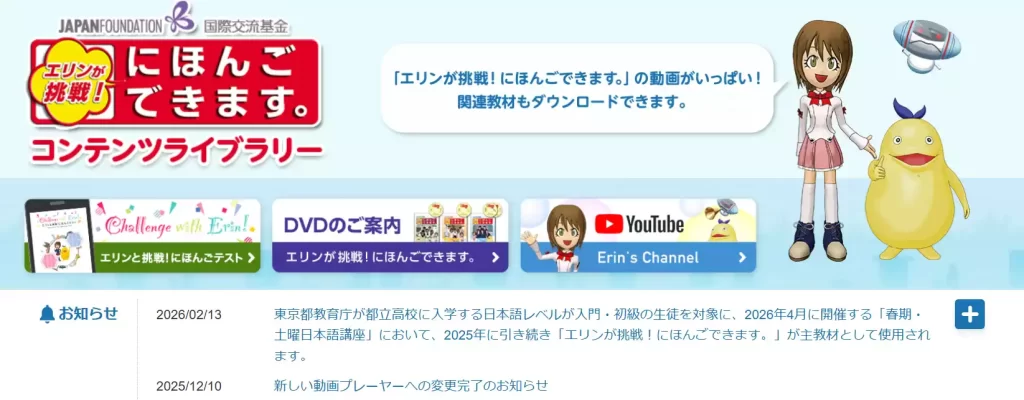
Erin’s Challenge! I Can Speak Japanese teaches through short video sketches following a foreign student living with a Japanese family. Each episode mixes practical language with cultural notes and quizzes, which makes culture feel like part of the conversation rather than a footnote.
Reputable Websites for Learning Japanese Online
Reputable websites for learning Japanese online add the one thing self-study can’t: a real teacher who corrects you in the moment. This is where passive knowledge turns into speech, and it’s the fastest fix for the plateau most learners hit.
Italki
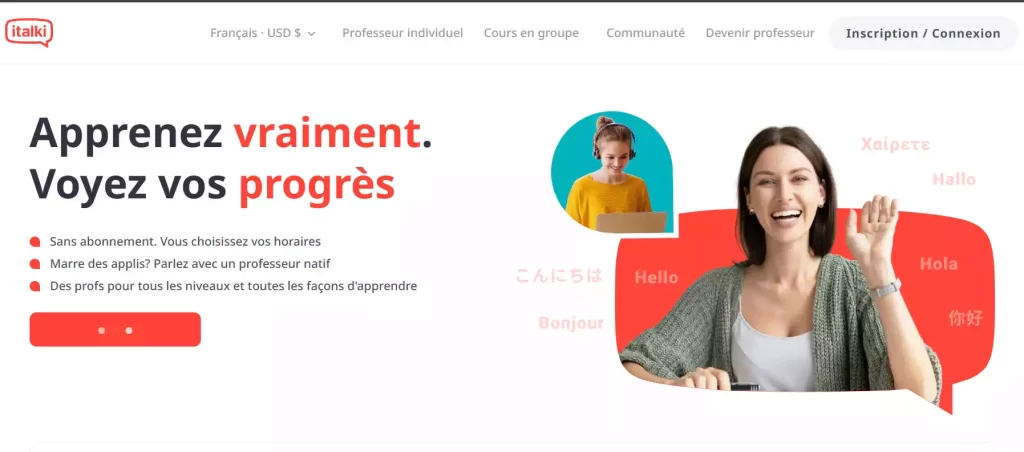
italki is the largest tutor marketplace. You pay per lesson, filter teachers by price, style, and specialty, and book trial sessions before committing. It’s flexible and works across every time zone, though the open marketplace means you do the vetting yourself.
Nihongo Online School
For learners who want a structured program rather than à-la-carte lessons, Nihongo Online School is built around that exact goal. Every lesson is a private 1:1 session on Zoom, scheduled around your availability. Its 150-hour foundation program is designed to take a complete beginner to roughly JLPT N5 (CEFR A1) in three to six months, combining 50 hours of live lessons with 100 hours of guided homework.
Two things set it apart from the marketplaces. The same teacher stays with you from start to finish, so your lessons build on everything you’ve already done. And you track real progress through regular JLPT mock exams, finishing with a certificate of completion that documents your 150 hours of study, useful if you’re preparing to enter a Japanese language school.