
 English
  Español

Tips for More Effective Studying
Nihongo Online School > Tips for More Effective Studying > Business etiquette in Japan for foreign IT engineers
Business etiquette in Japan for foreign IT engineers
2026/01/24
Director: Kotaro Muramoto
Principal of Nihongo Online School
In September 2019, he founded "Nihongo Online School". Since then, has been teaching Japanese online lessons, with a total of over 1,000 students.
He has designed an individualized curriculum based on student’s needs and study goal. And is conscious of making the classes speech-centered in order to improve students’ speaking skills.
The school asks students to submit homework assignments worth 2 hours per lesson to improve faster. By supporting students with these features, students are able to efficiently improve Japanese language skills.
This guide covers essential business etiquette in Japan for foreign IT engineers, from greetings and dress codes to communication styles and workplace expectations, so you can navigate your first months smoothly.
Contents
- 1 How do you greet someone in Japanese business settings?
- 2 What is considered polite when receiving a business card?
- 3 How important is punctuality in Japan?
- 4 Should you bring a gift to a business meeting?
- 5 What do Japanese IT engineers wear to work?
- 6 What is Japanese etiquette for conversation?
- 7 What is considered bad manners in Japan?
- 8 Japanese business etiquette preparation for foreign IT engineers

How do you greet someone in Japanese business settings?
Your first day on a development team involves a formal self-introduction called jikoshokai. This brief introduction sets the tone for how colleagues perceive you.
Structure your introduction around these elements:
- Your name
- Your role (e.g., “Backend engineer,” “DevOps engineer”)
- When you joined
- One memorable fact (a programming language you specialize in, a project that excites you, or a personal interest)
For daily greetings, use these phrases :
| Situation | Phrase | Context |
| Arriving at work | Ohayou gozaimasu | Morning greeting |
| Leaving the office | Osaki ni shitsurei shimasu | When departing before colleagues |
| Throughout the day | Otsukaresama desu | Acknowledging someone’s hard work |
Using these phrases consistently shows you’re paying attention to your environment, critical in a culture that values group awareness. Even imperfect pronunciation is appreciated.
What is considered polite when receiving a business card?
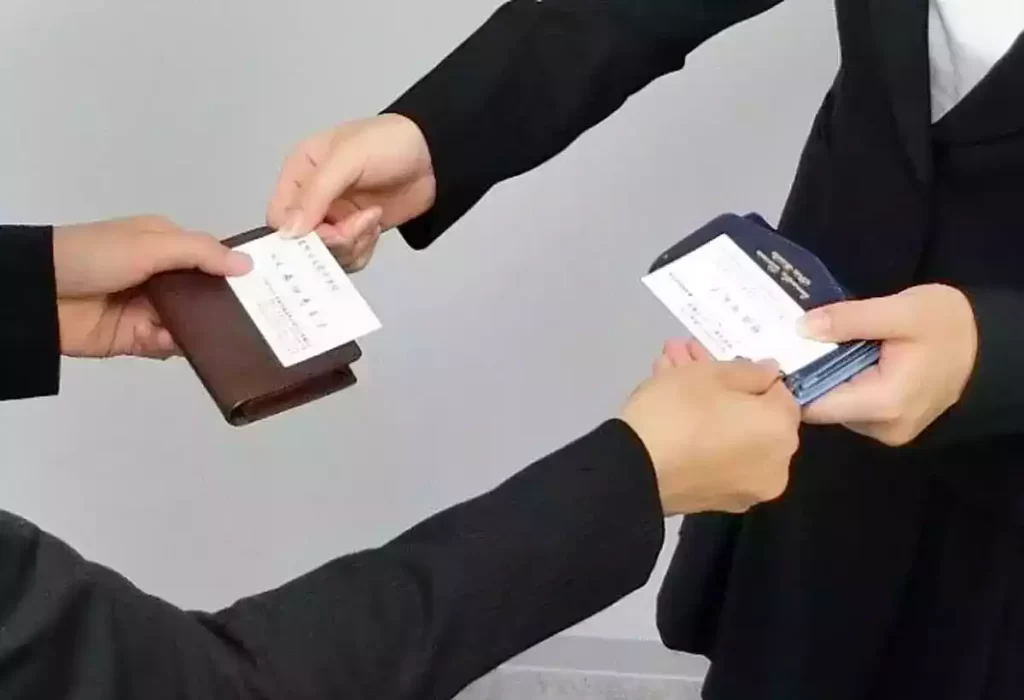
As an engineer, you might not exchange business cards daily, but when meeting clients, partners, or at tech conferences, the ritual matters. Japanese business card exchange (meishi-kokan) is a formal ritual deserving respect.
The correct approach:
- Presenting: Use both hands, hold your card at chest height, and say your company and name
- Receiving: Accept with both hands, preferably by the bottom corners. Don’t immediately put it away, leave it on the table during the meeting to show continued interest
- Quality: Keep cards clean. If representing a tech company, bilingual cards (your language on one side, Japanese on the other) demonstrate professionalism
Many foreign engineers underestimate this practice. Taking it seriously signals cultural awareness and respect, building trust from the first interaction.
How important is punctuality in Japan?
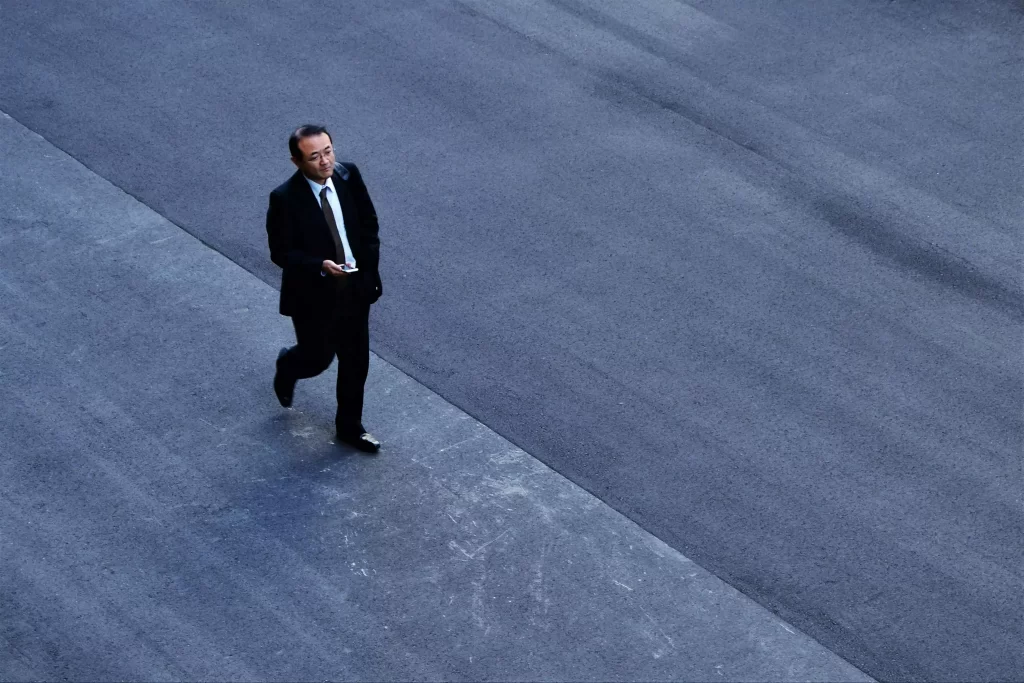
For engineers, punctuality isn’t just about being on time, it’s about respecting deadlines and sprint commitments.
- Arrive 5 minutes early for standups and meetings
- When you commit to a deadline, it’s a binding agreement, not a flexible estimate
- If you might miss a deadline, communicate early and work with your team on solutions
Missing deadlines repeatedly creates a negative impression that’s hard to overcome. Reliably delivering on time builds trust with management and directly impacts your career growth and opportunities for interesting projects.
Should you bring a gift to a business meeting?
Small gifts for clients are appreciated but not required. If you bring one, avoid sets of four or nine items (considered unlucky), wrap nicely, and present with both hands.
What do Japanese IT engineers wear to work?
As an engineer, suits are almost never required daily. Over 90% of tech companies in Japan allow casual dress for engineer : jeans, hoodies, and t-shirts are completely acceptable :
- Clean, wrinkle-free clothing
- Stain-free appearance
- Neat, put-together look (avoid visibly disheveled clothing)
- No need for distinctive or flashy attire
During your first week, observe what colleagues wear.
For client meetings or company-wide events, ask your team about the dress code. Traditional manufacturing companies or larger corporate environments might enforce stricter codes, but these are increasingly rare in tech-focused roles.
What is Japanese etiquette for conversation?

Understanding how to communicate effectively in Japanese workplaces is fundamental. Many Japanese engineers are careful about disagreeing openly in group settings, so creating space for input improves collaboration.
Code Reviews
When receiving feedback on your pull requests, stay calm and objective, then thank your reviewers. This simple gesture goes a long way and helps build trust with your team. As a reviewer, avoid harsh criticism. Instead of saying “this is wrong,” try “This might work better if we modify it this way” or “Have you considered this approach?”
Proposing technical solutions
Use the PREP method (Point, Reason, Example, Point). Lead with your conclusion, explain your reasoning, provide code examples, then restate your main point. This clarity helps colleagues understand your perspective without confusion.
Chat tools and written communication
For Slack and other chat tools, use polite language and respond promptly. Emoji reactions (👀, 👍, 🙏) are legitimate ways to acknowledge messages. Avoid using your personal phone during work hours, it signals lack of focus and commitment to your team.
What is considered bad manners in Japan?
Being focused on code doesn’t exempt you from workplace norms. Avoid these behaviors:
- Using your personal phone during work hours damages your reputation
- Listening to music on headphones at your desk signals disconnection from your team
- Blowing your nose loudly in meetings or open offices, keep it quiet
- Leaving right at end-of-day while colleagues are wrapping up signals lack of team commitment
These actions draw negative attention and undermine your professional standing. While modern companies are flexible about office presence, completely opting out of team culture can isolate you. A few appearances at team events show you’re invested in the group.
Japanese business etiquette preparation for foreign IT engineers

To succeed in your new workplace in Japan and build strong working relationships with your Japanese colleagues, our Business Japanese program for IT engineers focuses on practical business situations. Our team has solid experience with Japanese business culture and has supported over 120 IT placements in Japan over the past five years, giving us a clear understanding of the business etiquette in Japan faced by foreign IT engineers.
The program also includes resume preparation and interview support. Whether you are starting your first IT role in Japan, changing jobs, or looking to advance your career, we help you navigate both the cultural and professional aspects of working in Japan.
Contact us below to learn more.