
 English
  Español

Tips for More Effective Studying
Nihongo Online School > Tips for More Effective Studying > How I Found a Digital Marketing Job in Tokyo After Graduating From a Japanese Language School
How I Found a Digital Marketing Job in Tokyo After Graduating From a Japanese Language School

2025/12/22
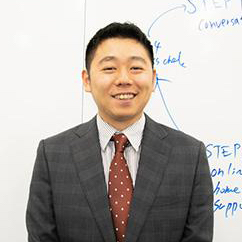
Director: Kotaro Muramoto
Principal of Nihongo Online School
In September 2019, he founded "Nihongo Online School". Since then, has been teaching Japanese online lessons, with a total of over 1,000 students.
He has designed an individualized curriculum based on student’s needs and study goal. And is conscious of making the classes speech-centered in order to improve students’ speaking skills.
The school asks students to submit homework assignments worth 2 hours per lesson to improve faster. By supporting students with these features, students are able to efficiently improve Japanese language skills.
Finding a professional job in Japan as a foreigner is rarely straightforward. Many people believe that learning Japanese is the only requirement, but my experience taught me that language is just one piece of a much larger puzzle.
This is my personal story of how I found a digital marketing job in Tokyo after graduating from a Japanese language school, what I did differently, and what I believe truly made the difference.
Contents

Starting My Job Hunt Before Graduation
Beginning Shūshoku Katsudō Early
About six months before graduating from my Japanese language school in Shibuya, I officially began my job hunt, known in Japan as shūshoku katsudō. I didn’t wait until graduation because I knew the process could take months, especially as a foreigner.
Starting early gave me time to prepare mentally and strategically, rather than rushing decisions out of fear or urgency.
Preparing Japanese and English CVs
I prepared my CV carefully in Japanese, following local standards, including a professional suit photo. At the same time, I created an English version of my CV. Some people might think this is unnecessary, but for international or globally minded companies, it’s a major advantage.
Being able to switch languages instantly during the hiring process shows flexibility and professionalism.
Understanding the Reality of Competition
I quickly realized something important: competing directly with Japanese candidates on “being Japanese” is not a winning strategy. Even with good Japanese, locals will always have cultural and linguistic advantages.
Instead of trying to blend in completely, I chose to lean into what made me different.
Turning My Background Into an Advantage
I speak Spanish and Portuguese in addition to English and Japanese. These languages are not common skills in Japan, and that makes them valuable. Companies expanding overseas don’t just want Japanese speakers; they want bridges to other markets.
Once I understood this, my confidence changed completely.
Building a Strong Professional Presence
Activating My LinkedIn Strategically
I reactivated my LinkedIn account and began posting regularly in English, Spanish, and Japanese. These posts weren’t random, they were intentional, professional, and aligned with my goal of working in digital marketing.
I treated LinkedIn as a long-term investment, not a job board.
Showcasing Skills on Instagram and TikTok
At the same time, I used Instagram and TikTok to showcase my skills: video editing, photo editing, knowledge of Japan, branding, technology, and content creation. My profiles became a living portfolio rather than a personal diary.
Recruiters don’t just read CVs, they observe how you think and communicate.
Staying Active Instead of Passive
Many people wait for opportunities to appear. I chose to stay in motion. I constantly posted, learned, experimented, and refined my content. Even when nothing seemed to happen, I kept moving.
That consistency mattered more than any single post.
Letting Companies Find Me
Some people attend job fairs depending on their industry. I decided to position myself so companies would find me instead. By staying visible, public, and active, I increased the chances of being noticed organically.
This approach takes time, but it compounds.
My First Professional Work Experience in Japan
Going Through Multiple Interviews
Before landing my first real opportunity, I went through several interviews. These included a store manager position at Burger King Japan and a digital marketing role at a Japanese language school, among others.
Not every interview leads to a job, but every interview builds experience.
Landing a Freelance Role at Nihongo Online School
Eventually, I was offered a freelance digital marketing position as a copywriter at Nihongo Online School. This was a huge milestone: my first official professional job in Japan, working in my actual field.
It gave me confidence, stability, and valuable local experience.
Why Freelance Work Mattered
This freelance role gave me breathing room while I continued my job search. It also strengthened my CV with Japan-based experience, which is incredibly important when applying to Japanese companies.
It wasn’t just a job, it was a stepping stone.
Continuing the Office Job Search
Even while freelancing, I kept searching for a full-time office job. I don’t know exactly why, but I really wanted to experience working in an office in Tokyo, surrounded by Japanese colleagues, inside a Japanese company.
That experience mattered to me personally and professionally.
The Job Offer That Changed Everything
Searching Through Communities and Forums
I focused on companies open to hiring foreigners. I browsed Reddit communities and Facebook groups where foreigners in Japan shared job leads and experiences. Week after week passed, but nothing worked.
It was frustrating, but I didn’t stop.
Seeing the Job Ad on Instagram
One day, I saw a job ad on Instagram. It wasn’t luck. I had intentionally optimized my social media presence so that recruiter ads would reach me: public profile, professional content, consistent activity.
The ad was clear: digital marketing specialist, Spanish, English, Japanese (N3). Experience not required.
Passing the Interview Process
I applied and answered a long set of questions honestly. They liked my answers. I passed a phone interview in Japanese, then another interview in English, and finally an in-person interview in Tokyo, wearing a suit.
A week later, I received the offer. Later, I learned I had been selected from among dozens of applicants.
From Part-Time to Full-Time With a Work Visa
I started as a part-time employee (arubaito) because I still had two months left at school. They told me clearly: this was a trial period. If I performed well, I would be offered full-time employment and a work visa.
I worked extremely hard. After two months, and a final interview with senior management conducted entirely in Japanese, I was offered a full-time position.
Final Reflection
Working in Japan as a foreigner isn’t about waiting for permission, it’s about positioning yourself correctly. Japanese matters, but visibility, movement, and differentiation matter just as much.
I didn’t stay still. I built, shared, adapted, and showed what I could do. And that’s what ultimately opened the door.