
 English
 Español


Tips for More Effective Studying
Nihongo Online School > Tips for More Effective Studying > Practical Japanese for Living in Japan: Essential Phrases Before You Move
Practical Japanese for Living in Japan: Essential Phrases Before You Move

2026/11/12
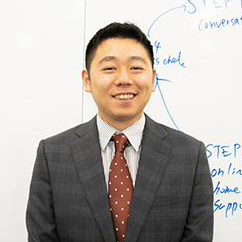
Director: Kotaro Muramoto
Principal of Nihongo Online School
In September 2019, he founded "Nihongo Online School". Since then, has been teaching Japanese online lessons, with a total of over 1,000 students.
He has designed an individualized curriculum based on student’s needs and study goal. And is conscious of making the classes speech-centered in order to improve students’ speaking skills.
The school asks students to submit homework assignments worth 2 hours per lesson to improve faster. By supporting students with these features, students are able to efficiently improve Japanese language skills.
Moving to Japan means signing a lease, opening a bank account, registering at city hall and seeing a doctor, often in your first two weeks and often entirely in Japanese. This guide gives you the practical Japanese you need for those exact situations: the key words, ready-to-use phrases and short sample conversations, organized in the order you will actually face them.
Many learners are surprised by how different “test Japanese” and “life Japanese” feel. On r/LearnJapanese, people planning a move ask how to prepare for situations like a declined card, paying a bill or taking a taxi, rather than chasing the next JLPT level. Others who passed JLPT N3 report that real conversations at natural speed, full of office or counter vocabulary, still felt overwhelming. The JLPT measures reading and listening; it never asks you to explain a fever to a receptionist or ask what a lease fee covers.
This article is written for complete beginners up to around JLPT N4, and for N3 learners who want to close the gap between textbook knowledge and daily life. Every table shows the Japanese and its romaji reading side by side, so you can say each phrase out loud even before you can read kana fluently.
How to use this guide: Read Section 1 first, then jump to the situation you will face next. Practice each sample conversation out loud at least three times; Section 8 shows how to turn these pages into real speaking practice before you fly.
Contents
- 1 1. Essential Japanese Before Moving to Japan
- 2 2. Japanese for City Hall
- 3 3. Japanese for Banking
- 4 4. Japanese for Renting an Apartment
- 5 5. Japanese for Hospitals and Clinics
- 6 6. Japanese for Transportation
- 7 7. Useful Japanese Phrases When You Need Help
- 8 8. How to Practice Everyday Japanese Before Moving to Japan
- 9 Get Ready for Daily Life in Japan with Nihongo Online School
- 10 Frequently Asked Questions
- 11 Conclusion: Start with the Japanese You Will Use on Day One

1. Essential Japanese Before Moving to Japan
Before you learn any city hall or banking vocabulary, master a small core of polite phrases. These few expressions will appear in every situation in this guide, and they buy you time and goodwill when your Japanese runs out.
Greetings and Courtesy Phrases You Will Use Every Day
The single most useful word in Japan is すみません (sumimasen). It means “excuse me,” “sorry” and even “thank you for your trouble,” and it is how you get a clerk’s attention at any counter.
| Japanese | English | When to use it |
|---|---|---|
| すみません sumimasen | Excuse me / Sorry | Getting attention, apologizing lightly |
| おねがいします onegai shimasu | Please | Requesting something or handing over a form |
| ありがとうございます arigatō gozaimasu | Thank you very much | Any time someone helps you |
| はい、わかりました hai, wakarimashita | Yes, I understand | Confirming instructions |
| だいじょうぶです daijōbu desu | I’m fine / No thank you | Politely declining (e.g., a bag at a store) |
| しつれいします shitsurei shimasu | Excuse me (entering/leaving) | Entering an office or consultation room |
| よろしくおねがいします yoroshiku onegai shimasu | I look forward to working with you | After introductions, or when starting a procedure |
Introducing Yourself in Japanese
At city hall, the bank, a real estate agency or a new workplace, you will repeat the same few facts about yourself. Prepare a 20-second self-introduction and practice it until it feels automatic.
| Japanese | English |
|---|---|
| はじめまして。 hajimemashite. | Nice to meet you. |
| (name)ともうします。 (name) to mōshimasu. | My name is (name). (polite) |
| (country)からきました。 (country) kara kimashita. | I came from (country). |
| せんげつ、にほんにひっこしてきました。 sengetsu, nihon ni hikkoshite kimashita. | I moved to Japan last month. |
| にほんごはすこしだけはなせます。 nihongo wa sukoshi dake hanasemasu. | I can speak only a little Japanese. |
| (company)ではたらいています。 (company) de hataraite imasu. | I work at (company). |
The line “I can speak only a little Japanese” is worth memorizing early. Saying it at the start of a conversation often prompts staff to slow down, use simpler words or bring out a multilingual guide.
Asking Simple Questions
Most tasks in daily life come down to four questions: what, where, how much and can I.
| Japanese | English |
|---|---|
| これはなんですか。 kore wa nan desu ka. | What is this? |
| (place)はどこですか。 (place) wa doko desu ka. | Where is (place)? |
| いくらですか。 ikura desu ka. | How much is it? |
| ~てもいいですか。 ~te mo ii desu ka. | May I ~? |
| ~はありますか。 ~wa arimasu ka. | Do you have ~? |
| どうすればいいですか。 dō sureba ii desu ka. | What should I do? |
Asking People to Repeat or Clarify
You will not understand everything the first time, and that is normal. A polite request to repeat is far better than nodding along and missing a deadline or a required document.
| Japanese | English |
|---|---|
| もういちどおねがいします。 mō ichido onegai shimasu. | One more time, please. |
| ゆっくりおねがいします。 yukkuri onegai shimasu. | Slowly, please. |
| ~ってなんですか。 ~tte nan desu ka. | What does ~ mean? |
| かいてもらえますか。 kaite moraemasu ka. | Could you write it down? |
Section 7 expands these into a full toolkit for moments when you are lost.
Why Polite です/ます Form Is Your Safety Net
Textbooks teach casual and polite speech side by side, but as a newcomer you should default to です (desu) and ます (masu) forms with everyone outside close friends. Staff at offices, banks and clinics will speak to you in even more formal language called keigo, such as おかけください (okake kudasai, “please have a seat”) or しょうしょうおまちください (shōshō omachi kudasai, “please wait a moment”). You do not need to produce keigo yet, but learning to recognize about 20 common keigo phrases will make counter conversations far less stressful.
Reading the Kanji on Official Forms
Almost every procedure in Japan starts with a form, and forms use the same handful of kanji. Recognizing them lets you fill in paperwork without asking about every box.
| Kanji | Meaning | Kanji | Meaning |
|---|---|---|---|
| 氏名 shimei | Full name | 住所 jūsho | Address |
| 生年月日 seinengappi | Date of birth | 電話番号 denwa bangō | Phone number |
| 国籍 kokuseki | Nationality | 性別 seibetsu | Sex |
| 署名 shomei | Signature | 印 in | Seal / stamp |
| フリガナ furigana | Write the reading in katakana | 記入例 kinyūrei | Filled-in example |
When you see フリガナ (furigana) above the name box, write your name in katakana. Decide on your katakana name before you arrive, and use the same spelling on every document so your bank, city hall and phone records match.
What to Learn First: Your Priority List
You cannot learn everything before your flight, so learn in the order you will need it. The table below follows the typical sequence of a newcomer’s first weeks.
| Priority | Situation | When it happens | Why it matters |
|---|---|---|---|
| 1 | Airport, trains, asking for help | Day 1 | You need to reach your accommodation |
| 2 | City hall (resident registration) | Within 14 days of moving in | Legally required; unlocks banking, insurance and phones |
| 3 | Bank account and mobile phone | Week 1–3 | Needed for salary, rent and bills |
| 4 | Renting an apartment | Before or soon after arrival | Many terms are unique to Japan |
| 5 | Clinics and pharmacies | Whenever you get sick | Explaining symptoms is hard under stress |
| 6 | Shopping, restaurants, small talk | Ongoing | Builds confidence and relationships |
2. Japanese for City Hall
Your first major Japanese conversation will probably happen at city hall. Foreign residents staying longer than 90 days must register their address with the local municipality within 14 days of moving in (Iwate Prefecture). Bring your residence card and passport; staff will print your new address on the back of the residence card (Arakawa City). Registration also opens the door to health insurance, pension enrollment, a bank account and a phone contract, so it is worth preparing for.
Key City Hall Vocabulary
| Japanese | English | Notes |
|---|---|---|
| 市役所 shiyakusho / 区役所 kuyakusho | City hall / Ward office | In Tokyo’s 23 wards you go to the ward office |
| 窓口 madoguchi | Service counter | Each procedure has its own counter |
| 番号札 bangō fuda | Numbered ticket | Take one and wait to be called |
| 転入届 tennyū todoke | Moving-in notification | When you move into a new city, including from abroad |
| 転居届 tenkyo todoke | Change-of-address notification | When you move within the same city |
| 転出届 tenshutsu todoke | Moving-out notification | Before you leave a city or Japan |
| 住民票 jūminhyō | Certificate of residence | Often requested by employers and agencies |
| 在留カード zairyū kādo | Residence card | Your main ID in Japan |
| マイナンバーカード mai nanbā kādo | My Number Card | Individual number card, also used as health insurance proof |
| 国民健康保険 kokumin kenkō hoken | National Health Insurance | For residents not covered by an employer’s plan |
| 国民年金 kokumin nenkin | National Pension | Usually handled at a nearby counter |
| 申請書 shinseisho | Application form | Sometimes called とどけ todoke |
Registering Your Address (Resident Registration)
When you arrive, look for a counter called 住民課 (jūmin-ka) or 市民課 (shimin-ka), or ask at the information desk (案内 annai). Staff will hand you a form, check your documents and may ask whether anyone else is moving with you.
| Japanese | English |
|---|---|
| てんにゅうとどけをだしたいです。 tennyū todoke o dashitai desu. | I’d like to submit a moving-in notification. |
| じゅうしょへんこうはどのまどぐちですか。 jūsho henkō wa dono madoguchi desu ka. | Which counter handles address changes? |
| がいこくからひっこしてきました。 gaikoku kara hikkoshite kimashita. | I moved here from abroad. |
| じゅうみんひょうをいちまいおねがいします。 jūminhyō o ichimai onegai shimasu. | One copy of my certificate of residence, please. |
| このかきかたがわかりません。 kono kakikata ga wakarimasen. | I don’t know how to fill this in. |
Health Insurance and Pension Procedures
If you are not covered by an employer’s insurance, you will usually enroll in National Health Insurance at city hall right after registering. Note that Japan’s traditional paper health insurance cards expired after December 1, 2025; you now show either a My Number Card registered for health insurance or a certificate of eligibility called 資格確認書 (shikaku kakuninsho) (nippon.com).
| Japanese | English |
|---|---|
| こくみんけんこうほけんにはいりたいです。 kokumin kenkō hoken ni hairitai desu. | I’d like to enroll in National Health Insurance. |
| しかくかくにんしょはいつとどきますか。 shikaku kakuninsho wa itsu todokimasu ka. | When will the certificate of eligibility arrive? |
| マイナンバーカードをほけんしょうとしてつかえますか。 mai nanbā kādo o hokenshō to shite tsukaemasu ka. | Can I use my My Number Card as my health insurance card? |
| ほけんりょうはいくらですか。 hokenryō wa ikura desu ka. | How much is the insurance premium? |
| ねんきんのてつづきもここでできますか。 nenkin no tetsuzuki mo koko de dekimasu ka. | Can I do the pension procedure here too? |
Sample Conversation at the City Hall Counter
| Speaker | Japanese | English |
|---|---|---|
| Staff | つぎのかた、どうぞ。 tsugi no kata, dōzo. | Next, please. |
| You | すみません、てんにゅうとどけをだしたいです。 sumimasen, tennyū todoke o dashitai desu. | Excuse me, I’d like to submit a moving-in notification. |
| Staff | ざいりゅうカードとパスポートをおねがいします。 zairyū kādo to pasupōto o onegai shimasu. | Your residence card and passport, please. |
| You | はい、どうぞ。 hai, dōzo. | Here you are. |
| Staff | ごいっしょにひっこされたかたはいますか。 goissho ni hikkosareta kata wa imasu ka. | Did anyone move in with you? |
| You | いいえ、ひとりです。 iie, hitori desu. | No, just me. |
| Staff | では、こちらにごじゅうしょをごきにゅうください。 dewa, kochira ni gojūsho o gokinyū kudasai. | Then please write your address here. |
| You | すみません、もういちどゆっくりおねがいします。 sumimasen, mō ichido yukkuri onegai shimasu. | Sorry, could you say that again slowly? |
Notice how the staff member uses honorific forms like ごきにゅうください (gokinyū kudasai, “please fill in”). Recognizing the pattern ご~ください (go~kudasai) or お~ください (o~kudasai) as “please do ~” will help you follow instructions at every public counter.
Tips for a Smooth City Hall Visit
Go on a weekday morning and expect it to take one to two hours, especially in spring when many people move. Many municipalities offer multilingual guides, interpreters or translated forms, so it is worth asking えいごのしりょうはありますか (eigo no shiryō wa arimasu ka, “Do you have materials in English?”). Keep every document you receive, as banks and phone companies may ask for proof of your registered address.
3. Japanese for Banking
A Japanese bank account is how you receive your salary, pay rent and set up automatic bill payments, so it is usually your next stop after city hall. Expect some hurdles: many major banks prefer applicants who have lived in Japan for at least six months or are employed here (Wise), which is why Japan Post Bank (ゆうちょ銀行 yūcho ginkō) is the usual first bank for newcomers. Most banks also expect your residence card to show your current address, so register at city hall first (Hiroshima University).
Key Banking Vocabulary
| Japanese | English | Notes |
|---|---|---|
| 口座 kōza | Bank account | 口座を開く kōza o hiraku = open an account |
| 普通預金 futsū yokin | Ordinary savings account | The standard everyday account |
| 通帳 tsūchō | Passbook | Still common at Japan Post Bank |
| キャッシュカード kyasshu kādo | Cash card | ATM card; often mailed to your address |
| 暗証番号 anshō bangō | PIN | Usually four digits |
| 印鑑 inkan / はんこ hanko | Personal seal | Some banks accept a signature instead |
| 本人確認書類 honnin kakunin shorui | ID documents | Residence card, passport, etc. |
| 振込 furikomi | Bank transfer | How rent is often paid |
| 口座振替 kōza furikae | Automatic debit | Used for utilities and phone bills |
| 引き出し hikidashi / 預け入れ azukeire | Withdrawal / Deposit | Buttons you will see on ATMs |
| 非居住者 hikyojūsha | Non-resident | Status that may apply in your first 6 months |
Opening a Bank Account
Tell the staff your purpose at the start. Banks are required to ask why you want an account, and a clear answer such as receiving salary speeds things up.
| Japanese | English |
|---|---|
| こうざをつくりたいです。 kōza o tsukuritai desu. | I’d like to open an account. |
| きゅうりょうのうけとりのためです。 kyūryō no uketori no tame desu. | It’s for receiving my salary. |
| がいこくじんでもつくれますか。 gaikokujin demo tsukuremasu ka. | Can a foreign resident open one? |
| にほんにきてさんかげつです。 nihon ni kite sankagetsu desu. | I’ve been in Japan for three months. |
| キャッシュカードはいつとどきますか。 kyasshu kādo wa itsu todokimasu ka. | When will the cash card arrive? |
| ネットバンキングはえいごでつかえますか。 netto bankingu wa eigo de tsukaemasu ka. | Is online banking available in English? |
Asking About ID and Required Documents
Requirements differ by bank and even by branch. Ask before your visit or at the counter so you do not have to come back.
| Japanese | English |
|---|---|
| なにがひつようですか。 nani ga hitsuyō desu ka. | What do I need? |
| ざいりゅうカードだけでだいじょうぶですか。 zairyū kādo dake de daijōbu desu ka. | Is my residence card enough? |
| はんこがないんですが、サインでもいいですか。 hanko ga nain desu ga, sain demo ii desu ka. | I don’t have a seal; is a signature OK? |
| でんわばんごうはひつようですか。 denwa bangō wa hitsuyō desu ka. | Do I need a phone number? |
| しゃいんしょうもひつようですか。 shainshō mo hitsuyō desu ka. | Do I also need my employee ID? |
Sample Conversation at the Bank Counter
| Speaker | Japanese | English |
|---|---|---|
| Staff | いらっしゃいませ。ほんじつはどのようなごようけんですか。 irasshaimase. honjitsu wa dono yō na goyōken desu ka. | Welcome. How can I help you today? |
| You | こうざをつくりたいです。 kōza o tsukuritai desu. | I’d like to open an account. |
| Staff | ごりようもくてきをおしえていただけますか。 goriyō mokuteki o oshiete itadakemasu ka. | Could you tell me the purpose of the account? |
| You | きゅうりょうのうけとりです。 kyūryō no uketori desu. | To receive my salary. |
| Staff | ほんにんかくにんしょるいはおもちですか。 honnin kakunin shorui wa omochi desu ka. | Do you have your ID documents? |
| You | はい、ざいりゅうカードとパスポートです。 hai, zairyū kādo to pasupōto desu. | Yes, my residence card and passport. |
| Staff | こちらのもうしこみしょにごきにゅうください。 kochira no mōshikomisho ni gokinyū kudasai. | Please fill in this application form. |
| You | すみません、えいごのみほんはありますか。 sumimasen, eigo no mihon wa arimasu ka. | Excuse me, do you have an English sample? |
Using ATMs and Everyday Banking
Many ATMs have an English button, but receipts, bank letters and transfer screens are often only in Japanese. Learn to spot 残高 (zandaka, balance), 手数料 (tesūryō, fee) and 振込先 (furikomisaki, transfer recipient). If an ATM rejects your card, ask a staff member このカードがつかえません (kono kādo ga tsukaemasen, “This card doesn’t work”).
4. Japanese for Renting an Apartment
Renting in Japan comes with vocabulary you will not find in most textbooks, from key money to guarantor companies. Initial costs can add up to several months’ rent, so understanding each line on the estimate protects your budget. Learn the terms below before you visit a real estate agency (不動産屋 fudōsan-ya).
Talking to a Real Estate Agency
Agents will ask about your budget, preferred area, move-in date and job. Have short answers ready.
| Japanese | English |
|---|---|
| へやをさがしています。 heya o sagashite imasu. | I’m looking for an apartment. |
| よさんはやちんろくまんえんくらいです。 yosan wa yachin rokuman-en kurai desu. | My budget is about 60,000 yen rent. |
| えきからあるいてじゅっぷんいないがいいです。 eki kara aruite juppun inai ga ii desu. | Within a 10-minute walk from the station would be good. |
| がいこくじんでもかりられますか。 gaikokujin demo kariraremasu ka. | Can a foreign resident rent this? |
| ないけんできますか。 naiken dekimasu ka. | Can I view the apartment? |
| らいげつからすみたいです。 raigetsu kara sumitai desu. | I’d like to move in from next month. |
Basic Rental Contract Terms
| Japanese | English | What it means |
|---|---|---|
| 家賃 yachin | Rent | Monthly rent |
| 管理費 kanrihi / 共益費 kyōekihi | Management fee | Monthly fee for common areas, paid with rent |
| 敷金 shikikin | Security deposit | Partly refundable when you move out, minus cleaning and repairs |
| 礼金 reikin | Key money | A non-refundable “thank you” payment to the landlord |
| 仲介手数料 chūkai tesūryō | Agency fee | Paid to the real estate agency |
| 保証会社 hoshō gaisha | Guarantor company | Acts as your guarantor for a fee |
| 保証人 hoshōnin | Guarantor (person) | Some landlords require one |
| 火災保険 kasai hoken | Fire insurance | Usually mandatory |
| 鍵交換費 kagi kōkanhi | Lock change fee | One-time fee at move-in |
| 初期費用 shoki hiyō | Initial costs | Total paid before you get the keys |
| 契約期間 keiyaku kikan / 更新料 kōshinryō | Contract period / Renewal fee | Contracts are often two years, with a fee to renew |
| 退去 taikyo / 解約 kaiyaku | Moving out / Cancellation | Check how many months’ notice is required |
Asking About Rent and Initial Costs
Ask for a written estimate (見積もり mitsumori) and go through it line by line. Some fees can be negotiated, and some apartments advertise zero deposit or zero key money.
| Japanese | English |
|---|---|
| しょきひようはぜんぶでいくらですか。 shoki hiyō wa zenbu de ikura desu ka. | How much are the initial costs in total? |
| みつもりをもらえますか。 mitsumori o moraemasu ka. | Could I get an estimate? |
| れいきんなしのへやはありますか。 reikin nashi no heya wa arimasu ka. | Are there apartments with no key money? |
| しききんはもどってきますか。 shikikin wa modotte kimasu ka. | Will I get the deposit back? |
| かんりひはやちんにふくまれていますか。 kanrihi wa yachin ni fukumarete imasu ka. | Is the management fee included in the rent? |
| かいやくするときはなんかげつまえにいえばいいですか。 kaiyaku suru toki wa nankagetsu mae ni ieba ii desu ka. | How many months’ notice do I need to cancel? |
Asking About Layout and Facilities
Listings use abbreviations such as 1K or 1LDK: the number is the count of rooms, K is a kitchen, DK a dining-kitchen and LDK a living-dining-kitchen. Use the phrases below during a viewing.
| Japanese | English |
|---|---|
| エアコンはついていますか。 eakon wa tsuite imasu ka. | Is there an air conditioner? |
| せんたくきおきばはありますか。 sentakuki okiba wa arimasu ka. | Is there space for a washing machine? |
| インターネットはつかえますか。 intānetto wa tsukaemasu ka. | Is internet available? |
| ペットはかえますか。 petto wa kaemasu ka. | Are pets allowed? |
| ゴミのだしかたをおしえてください。 gomi no dashikata o oshiete kudasai. | Please tell me how to put out the garbage. |
| なんかいですか。エレベーターはありますか。 nankai desu ka. erebētā wa arimasu ka. | Which floor is it? Is there an elevator? |
Sample Conversation at a Real Estate Agency
| Speaker | Japanese | English |
|---|---|---|
| Agent | どのあたりでおさがしですか。 dono atari de osagashi desu ka. | Which area are you looking in? |
| You | ちゅうおうせんぞいで、やちんはななまんえんまでです。 chūō-sen zoi de, yachin wa nanaman-en made desu. | Along the Chuo Line, up to 70,000 yen in rent. |
| Agent | おしごとはなにをされていますか。 oshigoto wa nani o sarete imasu ka. | What do you do for work? |
| You | ITかいしゃでエンジニアをしています。 aitī gaisha de enjinia o shite imasu. | I’m an engineer at an IT company. |
| Agent | こちらのおへやはいかがですか。いっケーで、えきからごふんです。 kochira no oheya wa ikaga desu ka. wan kē de, eki kara gofun desu. | How about this one? It’s a 1K, five minutes from the station. |
| You | いいですね。しょきひようはいくらですか。 ii desu ne. shoki hiyō wa ikura desu ka. | Looks good. How much are the initial costs? |
| Agent | おみつもりをおつくりしますね。 omitsumori o otsukuri shimasu ne. | I’ll prepare an estimate for you. |
| You | ありがとうございます。ないけんもできますか。 arigatō gozaimasu. naiken mo dekimasu ka. | Thank you. Can I also view it? |
Moving In: Utilities and Neighbors
After signing, you will need to start electricity (電気 denki), gas (ガス gasu) and water (水道 suidō). Gas usually requires an in-person visit to turn it on, so book it early with ガスのかいせんをおねがいしたいです (gasu no kaisen o onegai shitai desu, “I’d like to have the gas turned on”). Garbage rules vary by city and are strict; ask your agent or city hall for the local sorting guide.
5. Japanese for Hospitals and Clinics
Getting sick in a new country is stressful, and explaining symptoms in a second language is one of the hardest tasks for learners. The good news is that clinic conversations follow a predictable pattern: reception, a questionnaire, the doctor, then the pharmacy. Prepare for each step and you can handle most common illnesses on your own.
Choosing the Right Clinic or Department
For everyday illnesses, go to a local clinic (クリニック kurinikku or 医院 iin) rather than a large hospital (病院 byōin), which may charge an extra fee without a referral. Clinics are organized by specialty.
| Japanese | English | Go here for |
|---|---|---|
| 内科 naika | Internal medicine | Colds, fever, stomach problems |
| 耳鼻科 jibika | ENT | Sore throat, sinus, ears, hay fever |
| 皮膚科 hifuka | Dermatology | Rashes, skin problems |
| 整形外科 seikei geka | Orthopedics | Back pain, sprains, injuries |
| 歯科 shika | Dentistry | Toothache, check-ups |
| 小児科 shōnika | Pediatrics | Children’s illnesses |
| 婦人科 fujinka | Gynecology | Women’s health |
| 眼科 ganka | Ophthalmology | Eye problems |
Making an Appointment and Checking In
Many clinics accept walk-ins, but calling or booking online saves waiting time. At reception you will show your health insurance proof and fill in a medical questionnaire (問診票 monshinhyō).
| Japanese | English |
|---|---|
| よやくをしたいです。 yoyaku o shitai desu. | I’d like to make an appointment. |
| きょうみてもらえますか。 kyō mite moraemasu ka. | Can I be seen today? |
| はじめてです。 hajimete desu. | This is my first visit. |
| マイナほけんしょうでおねがいします。 maina hokenshō de onegai shimasu. | I’ll use my My Number health insurance card. |
| えいごがはなせるせんせいはいますか。 eigo ga hanaseru sensei wa imasu ka. | Is there a doctor who speaks English? |
| もんしんひょうのかきかたをおしえてください。 monshinhyō no kakikata o oshiete kudasai. | Please show me how to fill in the questionnaire. |
Describing Your Symptoms
The basic pattern is (body part) がいたいです (ga itai desu, “my ~ hurts”). Add when it started with ~からです (~kara desu).
| Japanese | English |
|---|---|
| ねつがあります。 netsu ga arimasu. | I have a fever. |
| あたまがいたいです。 atama ga itai desu. | I have a headache. |
| のどがいたいです。 nodo ga itai desu. | I have a sore throat. |
| おなかがいたいです。 onaka ga itai desu. | I have a stomachache. |
| せきがでます。 seki ga demasu. | I have a cough. |
| はなみずがでます。 hanamizu ga demasu. | I have a runny nose. |
| はきけがします。 hakike ga shimasu. | I feel nauseous. |
| げりをしています。 geri o shite imasu. | I have diarrhea. |
| めまいがします。 memai ga shimasu. | I feel dizzy. |
| きのうからです。 kinō kara desu. | Since yesterday. |
| みっかまえからです。 mikka mae kara desu. | Since three days ago. |
Write your symptoms, start date, temperature, allergies (アレルギー arerugī) and current medication on your phone before the visit. Showing a short note is perfectly acceptable and reduces mistakes.
Sample Conversation with a Doctor
| Speaker | Japanese | English |
|---|---|---|
| Doctor | きょうはどうされましたか。 kyō wa dō saremashita ka. | What brings you in today? |
| You | おとといからねつがあって、のどがいたいです。 ototoi kara netsu ga atte, nodo ga itai desu. | I’ve had a fever since the day before yesterday, and my throat hurts. |
| Doctor | ねつはなんどですか。 netsu wa nando desu ka. | What’s your temperature? |
| You | さんじゅうはちどです。 sanjūhachi do desu. | It’s 38 degrees. |
| Doctor | アレルギーはありますか。 arerugī wa arimasu ka. | Do you have any allergies? |
| You | いいえ、ありません。 iie, arimasen. | No, I don’t. |
| Doctor | かぜですね。くすりをだしておきます。 kaze desu ne. kusuri o dashite okimasu. | It’s a cold. I’ll prescribe some medicine. |
| You | しごとはやすんだほうがいいですか。 shigoto wa yasunda hō ga ii desu ka. | Should I take time off work? |
At the Pharmacy
After the visit you will usually receive a prescription (処方箋 shohōsen) to take to a pharmacy (薬局 yakkyoku). Useful questions include いちにちなんかいのみますか (ichinichi nankai nomimasu ka, “How many times a day do I take it?”) and しょくごですか (shokugo desu ka, “After meals?”). Instructions such as 食後 (shokugo, after meals) and 食前 (shokuzen, before meals) are printed on the medicine bag.
In an Emergency
Call 119 for an ambulance or fire and 110 for the police. Say きゅうきゅうしゃをおねがいします (kyūkyūsha o onegai shimasu, “An ambulance, please”), then give your address, which is one more reason to memorize it in Japanese. Some regions also run a medical advice line at #7119 for help deciding whether you need an ambulance.
6. Japanese for Transportation
Japan’s trains and buses are punctual and well signposted, and major stations show English. The challenges come when something goes wrong: a delay, a missed stop, a lost wallet or a rural bus with Japanese-only announcements. These phrases cover both everyday travel and those moments.
Key Train and Bus Vocabulary
| Japanese | English | Notes |
|---|---|---|
| 駅 eki | Station | |
| 改札 kaisatsu | Ticket gate | Staff windows are next to the gates |
| ~番線 ~bansen | Platform number | 3番線 sanbansen = Platform 3 |
| 乗り換え norikae | Transfer | Look for orange or yellow transfer signs |
| 各駅停車 kakueki teisha / 普通 futsū | Local train | Stops at every station |
| 快速 kaisoku / 急行 kyūkō | Rapid / Express | Skips some stations |
| 終電 shūden | Last train | Often around midnight |
| 出口 deguchi | Exit | 東口 higashiguchi = East Exit |
| 精算機 seisanki | Fare adjustment machine | Use it if your IC card balance is short |
| ICカード ai shī kādo | Prepaid transit card | Rechargeable; works on most trains and buses |
| バス停 basutei | Bus stop | |
| 整理券 seiriken | Numbered ticket on buses | Take one when boarding if you pay cash |
Taking Trains and Transferring
| Japanese | English |
|---|---|
| しんじゅくにいきたいです。 shinjuku ni ikitai desu. | I want to go to Shinjuku. |
| このでんしゃはしんじゅくにとまりますか。 kono densha wa shinjuku ni tomarimasu ka. | Does this train stop at Shinjuku? |
| なんばんせんですか。 nanbansen desu ka. | Which platform? |
| どこでのりかえますか。 doko de norikaemasu ka. | Where do I transfer? |
| つぎはなにえきですか。 tsugi wa nani eki desu ka. | What’s the next station? |
| ICカードにチャージしたいです。 ai shī kādo ni chāji shitai desu. | I’d like to top up my IC card. |
Taking Buses
Bus systems differ by city. In some you pay when boarding at the front; in others you board at the back, take a numbered ticket and pay when you get off.
| Japanese | English |
|---|---|
| このバスは(place)にいきますか。 kono basu wa (place) ni ikimasu ka. | Does this bus go to (place)? |
| うんちんはさきばらいですか。 unchin wa sakibarai desu ka. | Do I pay when I get on? |
| (place)についたらおしえてください。 (place) ni tsuitara oshiete kudasai. | Please tell me when we reach (place). |
| おります。 orimasu. | I’m getting off. |
Asking for Directions
Map apps solve most problems, but station exits and building entrances can still confuse. Ask station staff (駅員 ekiin) or a nearby shop.
| Japanese | English |
|---|---|
| (place)はどうやっていけばいいですか。 (place) wa dō yatte ikeba ii desu ka. | How do I get to (place)? |
| ここからあるいていけますか。 koko kara aruite ikemasu ka. | Can I walk there from here? |
| なにぐちからでればいいですか。 nanikuchi kara dereba ii desu ka. | Which exit should I use? |
| ちずでおしえてもらえますか。 chizu de oshiete moraemasu ka. | Could you show me on the map? |
| まっすぐ / みぎ / ひだり massugu / migi / hidari | Straight / Right / Left (words you will hear in the answer) |
When Something Goes Wrong on Public Transport
| Japanese | English |
|---|---|
| おりるえきをすぎてしまいました。 oriru eki o sugite shimaimashita. | I missed my stop. |
| わすれものをしました。 wasuremono o shimashita. | I left something on the train. |
| さいふをなくしました。 saifu o nakushimashita. | I lost my wallet. |
| でんしゃがおくれていますか。 densha ga okurete imasu ka. | Is the train delayed? |
| ちえんしょうめいしょをください。 chien shōmeisho o kudasai. | Could I have a delay certificate? |
| ICカードがつかえません。 ai shī kādo ga tsukaemasen. | My IC card doesn’t work. |
A delay certificate (遅延証明書 chien shōmeisho) is useful if you arrive late to work or school because of a train delay. Many companies accept it as an official excuse.
Sample Conversation at a Station Window
| Speaker | Japanese | English |
|---|---|---|
| You | すみません、よこはまにいきたいんですが。 sumimasen, yokohama ni ikitain desu ga. | Excuse me, I’d like to go to Yokohama. |
| Staff | とうかいどうせんのかいそくがはやいですよ。 tōkaidō-sen no kaisoku ga hayai desu yo. | The rapid train on the Tokaido Line is fastest. |
| You | なんばんせんですか。 nanbansen desu ka. | Which platform? |
| Staff | ななばんせんです。 nanabansen desu. | Platform 7. |
| You | のりかえはありますか。 norikae wa arimasu ka. | Do I need to transfer? |
| Staff | いいえ、ちょくつうです。 iie, chokutsū desu. | No, it goes straight there. |
7. Useful Japanese Phrases When You Need Help
The phrases in this section are your safety net. Even fluent speakers ask people to repeat themselves; what matters is asking politely and specifically, so the other person knows how to help you.
When You Don’t Understand
Saying わかりません (wakarimasen) alone can sound abrupt. Softening it with すみません and naming the problem works much better.
| Japanese | English |
|---|---|
| すみません、よくわかりませんでした。 sumimasen, yoku wakarimasen deshita. | Sorry, I didn’t quite understand. |
| にほんごがまだじょうずじゃないです。 nihongo ga mada jōzu ja nai desu. | My Japanese isn’t very good yet. |
| (word)はどういういみですか。 (word) wa dō iu imi desu ka. | What does (word) mean? |
| かんたんなにほんごでおねがいします。 kantan na nihongo de onegai shimasu. | In simple Japanese, please. |
| えいごははなせますか。 eigo wa hanasemasu ka. | Do you speak English? |
Asking for かんたんなにほんご (kantan na nihongo) is often more effective than asking for English. Many staff members are trained in “easy Japanese” (やさしい日本語 yasashii nihongo) for foreign residents and will happily switch.
Asking Someone to Speak More Slowly
| Japanese | English |
|---|---|
| ゆっくりはなしてください。 yukkuri hanashite kudasai. | Please speak slowly. |
| もうすこしゆっくりおねがいできますか。 mō sukoshi yukkuri onegai dekimasu ka. | Could you speak a little more slowly? (more polite) |
| すこしずつおねがいします。 sukoshi zutsu onegai shimasu. | A little at a time, please. |
Asking Someone to Repeat or Explain Again
| Japanese | English |
|---|---|
| もういちどいってください。 mō ichido itte kudasai. | Please say it again. |
| もういちどせつめいしてもらえますか。 mō ichido setsumei shite moraemasu ka. | Could you explain it again? |
| かみにかいてもらえますか。 kami ni kaite moraemasu ka. | Could you write it on paper? |
| ほんやくアプリをつかってもいいですか。 hon’yaku apuri o tsukatte mo ii desu ka. | May I use a translation app? |
Confirming What You Heard
Repeating key information back prevents costly mistakes with dates, amounts and documents.
| Japanese | English |
|---|---|
| ~ということですか。 ~to iu koto desu ka. | So you mean ~? |
| らいしゅうのげつようびですね。 raishū no getsuyōbi desu ne. | Next Monday, right? |
| もってくるものはなんですか。 motte kuru mono wa nan desu ka. | What should I bring? |
| きげんはいつまでですか。 kigen wa itsu made desu ka. | What’s the deadline? |
Asking for Help
| Japanese | English |
|---|---|
| すみません、ちょっといいですか。 sumimasen, chotto ii desu ka. | Excuse me, do you have a moment? |
| こまっています。 komatte imasu. | I’m in trouble / I need help. |
| てつだってもらえますか。 tetsudatte moraemasu ka. | Could you help me? |
| みちにまよいました。 michi ni mayoimashita. | I’m lost. |
| ぐあいがわるいです。 guai ga warui desu. | I feel unwell. |
Emergency and Disaster Phrases
Japan has frequent earthquakes and typhoons, so learn a few emergency words alongside everyday Japanese.
| Japanese | English |
|---|---|
| たすけて! tasukete! | Help! |
| きゅうきゅうしゃをよんでください。 kyūkyūsha o yonde kudasai. | Please call an ambulance. |
| けいさつをよんでください。 keisatsu o yonde kudasai. | Please call the police. |
| 地震 jishin | Earthquake |
| 避難所 hinanjo | Evacuation shelter |
| ひなんじょはどこですか。 hinanjo wa doko desu ka. | Where is the evacuation shelter? |
8. How to Practice Everyday Japanese Before Moving to Japan
Reading phrase lists is a start, but you only own a phrase once you can say it under pressure, at natural speed, to someone who answers back unpredictably. With a few months before your move, the most efficient approach is to practice the exact situations you will face, in the order you will face them.
Why JLPT Study Alone Is Not Enough
The JLPT is valuable for jobs and visas, but it tests a different skill set from the one you need on day one.
| JLPT preparation | Practical Japanese for living | |
|---|---|---|
| Skills tested | Reading and listening | Speaking and listening in real time |
| Vocabulary | Broad, general topics | Narrow but specialized (forms, contracts, symptoms) |
| Speed | Recorded audio, multiple choice | Fast, unscripted, with follow-up questions |
| Politeness | Recognize keigo in passages | Respond to keigo at a counter |
| Goal | Pass a score threshold | Complete a task: register, open, rent, get treated |
Ideally you do both. If your move is close, shift most of your time toward speaking practice for the situations in this guide.
Build a Situation-Based 12-Week Plan
If you have about three months, the plan below follows the same order as your first weeks in Japan.
| Weeks | Focus | Goal by the end |
|---|---|---|
| 1–2 | Kana, greetings, self-introduction, numbers and dates | Introduce yourself and give your address and phone number |
| 3–4 | City hall vocabulary and form kanji | Complete a mock moving-in notification |
| 5–6 | Banking and mobile phone contracts | Explain why you need an account and ask about documents |
| 7–8 | Renting an apartment | Ask about initial costs and facilities during a mock viewing |
| 9–10 | Clinics and pharmacies | Describe three common symptoms and when they started |
| 11–12 | Transportation, help phrases and review | Handle a full “first day in Japan” role-play without English |
Role-Play Real-Life Scenarios
Role-play is the closest thing to the real experience. Take a sample conversation from this guide, read it aloud, then cover your lines and respond only from the staff’s lines. Next, ask a partner or teacher to change the script: add an unexpected question, speak faster or ask for a document you do not have. Learning to recover from surprises is what builds real confidence.
Practice with an Online Japanese Teacher
Apps are great for vocabulary, but they cannot interrupt you, ask a follow-up question or tell you that your sentence sounded rude. A qualified teacher can play the city hall clerk, the real estate agent or the doctor, correct your mistakes on the spot and adapt the next lesson to your weak points. Private lessons are especially effective before a move, because every minute can be spent on your own situation: your visa type, your city and your job.
Prioritize the Phrases You Will Use Most
With limited time, choose depth over breadth. Learn the help phrases from Section 7 until they are automatic, since they rescue every other situation. Train your ear with shadowing: play a short native-speed recording, repeat it a split second behind, and gradually match the rhythm. Finally, make a personal phrase sheet with your name in katakana, your address, your phone number, allergies and employer, so the facts you will be asked again and again are always ready.
Keep Practicing After You Arrive
Your first month in Japan is the best Japanese class you will ever take. After each errand, write down one phrase you did not understand and look it up or ask your teacher about it. Within a few weeks, the counters that felt intimidating become routine, and you can start building the relationships that make life in Japan rewarding.
If you want a structured way to do all of this with a teacher, the next section introduces our own program.
Get Ready for Daily Life in Japan with Nihongo Online School
Knowing the phrases in this guide is the first step; using them calmly at a city hall counter is the next. That is exactly what our 90-Day Japanese Program for Living & Working in Japan is built for. Nihongo Online School has taught private online Japanese lessons since 2019 to over 1,000 students, and this program fits 50 private lessons into the 90 days around your move.
Every lesson is a private 1-on-1 session over Zoom with a qualified Japanese teacher. Instead of following a fixed textbook, your teacher builds lessons around the situations you will actually face: registering your address, opening a bank account, viewing an apartment, describing symptoms at a clinic or asking for help at a station. You spend most of each lesson speaking, and every 60-minute lesson comes with about two hours of guided homework to lock in the grammar and vocabulary.
Three things set the program apart. First, one dedicated teacher stays with you from start to finish, so each lesson builds on your progress instead of restarting with someone new. Second, we measure your speaking ability with our 10-level conversation test, so you can see exactly how far you have come; Level 4 on our framework, roughly JLPT N4, is the stage where you can explain what you need and ask for help while living in Japan. Third, lessons are scheduled around your job and moving preparations, and course fees can be split into up to three installments.
Once you arrive, you are welcome to join our casual lunches and meetups in Tokyo and try your Japanese with real people.
Not sure where to start? Book a free level check and trial lesson. Your teacher will assess your current Japanese and suggest a plan that matches your moving date.
>> Get a free trial lesson with Nihongo Online School
Frequently Asked Questions
How much Japanese do I need to live in Japan?
You can survive in big cities with very little Japanese, but daily life becomes much easier at around JLPT N4 with solid speaking practice. At that level you can explain what you need, ask for help and handle short conversations at counters, clinics and stations.
Is JLPT N3 enough for everyday life in Japan?
N3 gives you a strong foundation, but many N3 holders still struggle with fast speech, keigo and specialized vocabulary for contracts, insurance and medical visits. Targeted speaking practice for those situations closes the gap faster than moving straight on to N2 material.
What Japanese should I learn first before moving to Japan?
Start with greetings, a self-introduction, numbers, dates and the help phrases in Section 7. Then learn city hall vocabulary, because resident registration is legally required within 14 days of moving in and unlocks most other procedures.
Can I handle city hall and the bank in English?
Sometimes. Large cities often offer English forms, interpreters or multilingual staff, but smaller towns and bank branches may not. Preparing the phrases in this guide means you are not dependent on finding English support.
How long does it take to learn practical Japanese for daily life?
It depends on your starting point and study time. With focused, situation-based practice, many beginners can handle core everyday tasks after about three months, especially with regular speaking practice with a teacher.
Conclusion: Start with the Japanese You Will Use on Day One
You do not need perfect Japanese to start a life in Japan, but you do need the right Japanese. Focus first on the phrases for city hall, banking, renting, clinics and transportation, practice them out loud until they feel natural, and keep your help phrases ready for everything else. With a few months of targeted preparation, your first weeks in Japan can feel exciting rather than overwhelming.