
 English
 Español


Tips for More Effective Studying
Nihongo Online School > Tips for More Effective Studying > How Much Does a Japan Working Holiday Cost?
How Much Does a Japan Working Holiday Cost?

2026/10/29
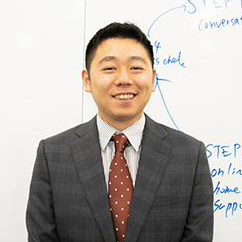
Director: Kotaro Muramoto
Principal of Nihongo Online School
In September 2019, he founded "Nihongo Online School". Since then, has been teaching Japanese online lessons, with a total of over 1,000 students.
He has designed an individualized curriculum based on student’s needs and study goal. And is conscious of making the classes speech-centered in order to improve students’ speaking skills.
The school asks students to submit homework assignments worth 2 hours per lesson to improve faster. By supporting students with these features, students are able to efficiently improve Japanese language skills.
A Japan working holiday costs roughly ¥1.7 million to ¥3.1 million (about US$11,400–$20,700) for a full 12 months once you add flights, insurance, move-in costs and living expenses. Part-time or full-time work can offset much of that, and your Japanese level largely decides how much.
This guide splits the budget into five parts so you can see where the money goes before you book a flight. Figures reflect 2026 data checked on 26 October 2026, and dollar amounts assume ¥150 = US$1 (the rate has moved between about ¥150 and ¥158 this year).
| Budget stage | Typical range | What drives it |
|---|---|---|
| Before you leave | ¥105,000–¥280,000 | Flight and 12-month insurance; the visa is free for most nationalities |
| First weeks in Japan | ¥50,000–¥425,000, plus first month’s rent | Share house or private apartment |
| Monthly living costs | ¥130,000–¥200,000 | City, housing type and lifestyle |
| Full 12 months, before income | ¥1.7M–¥3.1M | All stages above added together |
| Savings to hold before departure | ¥410,000–¥1.1M | Flight, insurance, move-in costs and two months of living costs |
Contents

Costs Before You Leave Home
Before departure you mainly pay for flights and insurance, because the working holiday visa itself is free for most nationalities. Expect ¥105,000–¥280,000 in total, plus a proof-of-funds balance that stays in your own account.
Visa Fees and Eligibility
Japan runs working holiday programs with more than 30 countries and regions, according to the Ministry of Foreign Affairs of Japan. Applicants are generally aged 18 to 30, and citizens of the United States are not eligible. Most consulates charge no visa fee, and Italy and Australia’s Melbourne consulate both list the visa as free. A few may charge a small amount, so confirm with the consulate that handles your application.
Many countries also have annual quotas, such as 30 visas a year for Iceland and 500 for Italy, so apply early. You can apply up to a year before your stay, and you must enter Japan within three months of the visa being issued.
Proof of Funds
Consulates ask you to show a bank balance, usually between ¥200,000 and ¥450,000 equivalent depending on the consulate, and some also ask for a return ticket or the money to buy one. Published figures differ by source, so check your own consulate’s page. This is not a fee, because the money stays yours. Keep a buffer above the minimum, since balances barely above the threshold are sometimes questioned.
In practice, the Japan Association for Working Holiday Makers suggests bringing ¥300,000–¥500,000 to cover deposits, first rent, necessities and the wait for your first paycheck.
Travel and Medical Insurance
Most consulates expect proof of medical cover. That is either an international travel insurance policy or, at some consulates, a pledge to join National Health Insurance after arrival. A 12-month working holiday policy typically costs €300–€700 (roughly ¥50,000–¥130,000) in one European comparison, with plans starting around €27 a month. Short-term policies and bank-card insurance are not suitable for a stay this long.
Even after you join Japan’s National Health Insurance, it generally pays 70% of eligible costs. That is why many travelers keep private cover or at least repatriation insurance.
Flights to Japan
| Departure point | Typical fare to Tokyo | Notes |
|---|---|---|
| Los Angeles | About US$362 one-way; about US$950 round trip | Average fares |
| New York | From about US$920 round trip | Lowest recent fares |
| Delhi | From about US$250 one-way | Nonstop fares |
| Southeast Asia (low-cost carriers) | Sometimes under US$150 one-way | Base fares; bags extra |
At ¥150 = US$1, a US$362 one-way fare is about ¥54,000. KAYAK data shows January is the cheapest month to fly to Tokyo, while June and December are the most expensive. A one-way ticket keeps your plans flexible, but check whether your consulate expects a return ticket or proof that you can afford one.
Other Preparation Costs
Set aside a small amount for passport photos, printing and any certified translations. Renew your passport first if it would expire before the end of your stay, since it must stay valid for the whole year. Using a low-fee card or multi-currency account for your first transfers also avoids exchange-rate markups.
Upfront Costs When You First Arrive
The first month is the most expensive one. The Japan Association for Working Holiday Makers estimates ¥150,000–¥250,000 to get set up, and recommends bringing at least double that to cover deposits, first rent, necessities and the gap before your first paycheck.
Housing Move-In Costs
Japan’s standard rental system charges several one-time fees on top of rent. Together they usually add up to 4–6 months of rent. On a ¥90,000 apartment, move-in costs can reach ¥350,000–¥450,000 before you buy any furniture.
| Fee | Typical amount | Refundable? |
|---|---|---|
| 敷金 shikikin (security deposit) | 1–2 months’ rent | Partly, minus cleaning and repairs |
| 礼金 reikin (key money) | 0–2 months’ rent | No |
| 仲介手数料 chūkai tesūryō (agency fee) | About 1 month’s rent | No |
| 保証会社 hoshō gaisha (guarantor company fee) | 0.5–1 month’s rent | No |
| 火災保険 kasai hoken (fire insurance) | About US$100–$200 | No |
| First month’s rent | 1 month | Not applicable |
Private apartments are also hard to get on a working holiday visa, because landlords often ask for a guarantor.
Most working holiday makers start in a furnished share house. Move-in costs are far lower, contracts can start from one month, and utilities and Wi-Fi are usually included in the rent.
| Housing type | Upfront cost (excluding first month’s rent) | Monthly rent |
|---|---|---|
| シェアハウス shea hausu (share house) | ¥30,000–¥150,000 | ¥50,000–¥75,000 in Tokyo; ¥45,000–¥65,000 in Osaka |
| 一般賃貸 ippan chintai (regular rental) | 4–6 times monthly rent | About ¥79,000 for a Tokyo studio; about ¥63,000 in Osaka |
One operator charges a flat ¥30,000 to move in, with no deposit, key money or agency fee. Other share houses charge more, so compare the total before you sign.
Resident Registration, Health Insurance and Pension
Within 14 days of finding a home, take your residence card to the municipal office and register your address. This is also where you enroll in National Health Insurance and the National Pension. The monthly amounts are covered in the next section, but expect your first payment slips to arrive within about a month of enrolling.
Phone, SIM and Bank Setup
Since April 1, 2026, every SIM and eSIM purchase in Japan requires a passport or residence card. Start with a tourist eSIM or SIM when you land, then move to a monthly plan once you have your residence card and a Japanese bank account. Budget plans from low-cost carriers run around ¥2,000 a month, while one popular resident-friendly provider charges a ¥4,950 one-time fee plus plans from ¥1,650 a month.
Household Basics and the Paycheck Gap
Bedding, kitchen basics and a few clothes add up quickly, so we plan on ¥20,000–¥50,000 for them. The bigger risk is timing. Many first paychecks arrive at the end of the month after you start, so keep at least two months of living costs in reserve.
Monthly Living Costs in Japan
A single person in Japan typically spends ¥150,000–¥280,000 a month, but a working holiday maker in a share house usually lands at the lower end, around ¥125,000–¥180,000. The Japan Association for Working Holiday Makers uses ¥155,000 as a Tokyo example: ¥70,000 for a share house, ¥35,000 for food, ¥20,000 for transport and ¥30,000 for activities.
Monthly Budget by Lifestyle
| Expense | Lean (¥) | Comfortable (¥) |
|---|---|---|
| Rent | 50,000 | 75,000 |
| Food | 35,000 | 45,000 |
| Utilities | 12,000 | 15,000 |
| Transport | 6,000 | 10,000 |
| Internet and phone | 7,000 | 8,000 |
| Entertainment | 15,000 | 25,000 |
| Total | 125,000 | 178,000 |
These figures exclude pension and health insurance, which are covered below. In a share house with utilities and Wi-Fi included, the utilities and internet lines shrink or disappear.
Costs by City
| City | Typical monthly cost, single person (¥) |
|---|---|
| Tokyo | 180,000–280,000 |
| Osaka | 150,000–220,000 |
| Fukuoka | 145,000–210,000 |
| Sendai | 140,000–200,000 |
These ranges are for ordinary renters, so a share house can bring Tokyo closer to the lower end. Osaka is roughly 20% cheaper than Tokyo overall, and its share-house rooms average about ¥48,000 against about ¥75,000 in Tokyo.
Food, Transport and Utilities
Cooking at home keeps food at ¥35,000–¥45,000 a month. Transport runs ¥6,000–¥10,000 for a commuter pass, and more if you travel for sightseeing. Outside a share house, a single person in a studio should budget ¥11,500–¥17,500 a month for electricity, gas and water, since energy prices rose in 2025.
Mandatory Pension and Health Insurance
| Item | Monthly cost | Notes |
|---|---|---|
| 国民年金 kokumin nenkin (National Pension) | ¥17,920 (April 2026–March 2027) | Required for residents aged 20–59. Ask your ward office about exemption or deferral if your income is low. |
| 国民健康保険 kokumin kenkō hoken (National Health Insurance) | About ¥2,000–¥5,000 in the first year | Based on the previous year’s income and recalculated each April, so it can rise if your stay crosses April. |
If you pay into the pension for six months or more, you may be able to claim a lump-sum withdrawal payment after you leave Japan. Confirm the rules with the Japan Pension Service before you go. If you work 30 or more hours a week for an employer that enrolls you in company insurance, those premiums come out of your salary and replace the two items above.
Fun, Travel and Hidden Costs
Budget ¥15,000–¥30,000 a month for leisure, and add a separate travel fund, since travel is the point of a working holiday. Small leaks matter too. Imported food can cost two to three times domestic prices, and international transfers with poor exchange rates quietly eat into savings.
Japanese Skills and Your Income
The working holiday visa needs no language certificate, but the job market does the filtering. Your Japanese level decides which jobs you can take, how quickly you find one and how much you earn.
Minimum Wage: What a Full-Time Month Pays
Japan sets minimum wages by prefecture. Tokyo’s rises to ¥1,280 an hour on 1 October 2026, Kanagawa’s to ¥1,279 and Osaka’s to ¥1,231. Miyazaki will have the lowest at ¥1,085 once all revisions take effect. The table assumes 160 working hours a month.
| Prefecture | Hourly minimum wage | Gross monthly pay | After 20.42% tax |
|---|---|---|---|
| Tokyo | ¥1,280 | ¥204,800 | ¥162,980 |
| Osaka | ¥1,231 | ¥196,960 | ¥156,741 |
| Miyazaki | ¥1,085 | ¥173,600 | ¥138,151 |
Tax on Working Holiday Income
The National Tax Agency treats a working holiday visitor who stays less than a year as a non-resident. Employers withhold a flat 20.42% of your salary, which completes your tax obligation. Non-residents cannot file a final return, so the withholding is not refundable. If your total stay passes one year, you may be treated as a resident and the rules change.
Jobs by Japanese Level
| Japanese level | Typical working holiday jobs | What to expect |
|---|---|---|
| Little or none | 英会話 eikaiwa (English conversation) teaching, kitchen help, 皿洗い sara-arai (dishwashing), hostels, resorts and ski areas | Teaching and kitchen jobs rarely need Japanese, but you will live in an English-speaking bubble. |
| Around N5–N4 | Restaurants, cafés, 居酒屋 izakaya (Japanese pubs) and hotel room attendants | Some workers report being hired after an interview in Japanese without any certificate. |
| N3 | Hotels, front desk, shops and a wide range of service work | A large share of listings expect about N3, so choice grows quickly here. |
| N2 and above | Office, hotel and corporate roles | Pay and variety rise, and N2 is where full-time listings open up most. |
Teaching is the most common working holiday job. Part-time English teaching postings list roughly ¥1,700–¥2,500 an hour, and some school jobs pay ¥2,500–¥3,000. Full-time chain schools such as AEON, ECC and Berlitz typically pay ¥250,000–¥275,000 a month, but some employers do not accept working holiday visa holders, so check before you apply. Work at bars, cabarets, nightclubs and gambling venues is prohibited on this visa.
How Japanese Level Changes Your Job Pool
One job-board analysis counted full-time listings by the JLPT level they require. The figures below are cumulative, meaning each row includes every listing open to someone at that level or lower. They cover regular full-time jobs, not working holiday roles, but the pattern carries over.
| Japanese level | Listings open to you | Average annual teaching salary |
|---|---|---|
| No Japanese | 435 | ¥3.2 million |
| N5–N4 | 616 | ¥3.2 million |
| N3 | 1,257 | ¥3.5 million |
| N2 | 3,684 | ¥4.9 million |
| N1 | 5,363 | ¥4.7 million |
Moving from N5–N4 to N3 roughly doubles your options, and N2 triples them again. Teaching pay barely changes until N2, which is why a few extra months of study before you fly can pay for itself.
Ways to Save Money and Sample Budgets
Three choices decide most of your budget: where you live, which city you pick and how much Japanese you have when you start looking for work.
Save on Housing
Start in a furnished share house with utilities included, then move to your own place once you have a paycheck and a work record. Osaka and Fukuoka cost noticeably less than Tokyo. If you do rent a private apartment, search for listings marked 礼金なし reikin nashi (no key money) or 敷礼なし shikirei nashi (no deposit and no key money), which can save ¥100,000–¥300,000. UR rental housing also charges no key money, agency commission or guarantor, though you should check whether a one-year stay qualifies.
Save on Flights, Insurance and Phone
Fly in January if your dates allow, and compare two one-way fares against a round trip. Buy one 12-month policy built for working holiday visas rather than stacking short-term ones. Once you have your residence card, switch from a tourist eSIM to a monthly plan at around ¥2,000.
Save on Daily Costs
Cooking at home is the biggest lever, since food is the line you control most. Choose a home near your workplace or a cheap commuter line, and ask your ward office about premium reductions or exemptions for pension and health insurance if your income is low.
Earn More Sooner
Start applying in your first week and keep two months of living costs in reserve for the paycheck gap. Reaching JLPT N3 before you arrive roughly doubles the listings open to you compared with N5–N4.
Budget Simulation: Three 12-Month Scenarios
The scenarios below combine the figures from this guide. Flights, insurance and setup costs are planning assumptions based on the ranges above, and monthly totals include ¥17,920 for the National Pension and ¥3,500 for health insurance.
| Item | Lean: Osaka share house | Standard: Tokyo share house | Comfortable: Tokyo apartment |
|---|---|---|---|
| Flight (one-way) | ¥55,000 | ¥100,000 | ¥150,000 |
| Insurance (12 months) | ¥50,000 | ¥90,000 | ¥130,000 |
| Move-in costs | ¥30,000 | ¥100,000 | ¥375,000 |
| Setup (bedding, SIM, basics) | ¥20,000 | ¥30,000 | ¥50,000 |
| One-time total | ¥155,000 | ¥320,000 | ¥705,000 |
| Rent (utilities included in share houses) | ¥50,000 | ¥65,000 | ¥75,000 |
| Utilities | Included | Included | ¥15,000 |
| Food | ¥35,000 | ¥45,000 | ¥45,000 |
| Transport | ¥6,000 | ¥10,000 | ¥10,000 |
| Phone and internet | ¥2,000 | ¥2,000 | ¥8,000 |
| Entertainment | ¥15,000 | ¥25,000 | ¥25,000 |
| Pension and health insurance | ¥21,420 | ¥21,420 | ¥21,420 |
| Monthly total | ¥129,420 | ¥168,420 | ¥199,420 |
| 12-month total, before income | ¥1,708,040 | ¥2,341,040 | ¥3,098,040 |
| Savings to hold before departure | ¥413,840 | ¥656,840 | ¥1,103,840 |
In dollars, the 12-month totals are about US$11,400, US$15,600 and US$20,700. The last row adds two months of living costs to the one-time costs, so it covers the paycheck gap.
Can Your Income Cover It?
A full-time minimum-wage job leaves ¥156,741 a month after tax in Osaka and ¥162,980 in Tokyo. The lean scenario then leaves about ¥27,000 a month spare. The standard Tokyo scenario falls about ¥5,000 short at minimum wage, and the comfortable scenario about ¥36,000 short. Teaching rates of ¥1,700–¥2,500 an hour or hours above 160 a month close that gap, and employer insurance changes the numbers, so treat this as a first estimate.
The Bottom Line
Plan for ¥1.7–¥3.1 million over the year, and arrive with at least ¥410,000 in savings even on a lean budget. Housing and Japanese ability move the total the most, so choose a share house and build your Japanese before you fly.
Build Your Japanese Before You Fly: The 90-Day Japanese Program at Nihongo Online School
The numbers above point one way: every JLPT step you climb before you arrive widens your choice of jobs and shortens the slow first months. At Nihongo Online School, we built our 90-Day Japanese Program for Living & Working in Japan for exactly this situation.
The program is 50 private 1-on-1 lessons with one qualified teacher over Zoom, and each 60-minute lesson comes with about two hours of guided homework. Because the same teacher stays with you from your first lesson to your last, your study plan follows your level, schedule and goals rather than a fixed textbook. Your teacher also reviews your progress regularly and adjusts the plan when needed. Lessons are conversation-focused and built around scenarios you will use in daily life, so you speak as much as possible from day one.
Our curriculum takes you from complete beginner through JLPT N5 and N4 toward N3. You can choose a pace that fits your goals, including a three-month intensive course with up to five private lessons per week, or study more slowly alongside your current job. Students who complete our 150-hour program receive a certificate of completion. Since our founding in 2019, we have taught more than 1,000 students worldwide.
Standard fees are ¥25,000 registration plus ¥4,800 per 60-minute lesson, with payment in up to three installments. At those rates, 50 lessons come to about ¥265,000 including registration, so you can plan the cost as part of your pre-departure budget. Check the course page for current packages.
Not sure where to start? Book a free trial lesson and level check at Nihongo Online School, and your teacher will map the fastest route to the Japanese level your working holiday needs.